AR head-up display automotive technology projects navigation arrows, speed, hazard alerts, and real-world overlays directly onto windshields or clusters, reducing driver distraction. It relies on high-brightness TFT LCD up to 1000 nits, OCA optical bonding for glare reduction, and wide temperature ranges like -30°C to +85°C for safety in vehicles.
Check: How Have Digital Instrument Cluster Displays Evolved in Modern Passenger Cars?
What Is Augmented Reality in Automotive Displays?
Augmented reality in automotive displays overlays digital information like navigation vectors, speed readouts, alerts, and hazards onto real-world views through windshields or instrument clusters. Unlike static traditional HUDs showing fixed data, AR is dynamic and context-aware, boosting safety by minimizing glances away from the road. Market growth targets premium vehicles by 2027-2030, cutting cognitive load for drivers.
How Does AR Head-Up Display Technology Work in Cars?
AR head-up displays use high-brightness TFT LCD panels up to 1000 nits as the core rendering layer for daylight visibility. OCA optical bonding removes air gaps for clearer overlays. MIPI DSI interfaces enable low-latency data from sensors like GPS and cameras, rendering at 60+ Hz. Windshield versions offer wide fields of view, while clusters simplify integration.
| Interface | Bandwidth | Latency | Max Resolution @ 60 Hz | AR Suitability | Typical Use Case |
|---|
| RGB (Parallel) | ~480 Mbps | 1–2 ms | 1920×1200 | ⭐⭐ (legacy) | Traditional clusters; limited for high-res AR |
| LVDS | ~600 Mbps | 2–3 ms | 1920×1200 | ⭐⭐⭐ (good) | Current mid-range clusters; sufficient for static overlays |
| MIPI DSI | ~1.2 Gbps+ | <1 ms | 2560×1440+ | ⭐⭐⭐⭐⭐ (ideal) | Next-gen AR HUDs; smooth, low-latency overlays |
What Are the Key Technical Requirements for AR Automotive Displays?
AR displays need 850-1000 nits brightness for sunlight readability, resolutions like 1920×720 or 1920×1080, and IPS panels for wide views. Wide temperatures from -30°C to +85°C ensure reliability. MIPI interfaces support low latency, while IATF16949 and ISO13485 certifications guarantee precision. Zero-defect policies prevent pixel errors in critical overlays.
Check: Vehicle LCD Display
CDTech meets these with quad certifications including ISO9001, ISO14001, ISO13485, and IATF16949, plus a 10,000㎡ factory featuring a 3,500㎡ thousand-level dust-free workshop for precise manufacturing of vehicle LCDs like the 12.3" S123BWU11EP at 950 nits and -30°C to +80°C.
Why Is OCA Optical Bonding Critical for AR Display Clarity?
OCA optical bonding fills gaps between LCD, touch panels, and glass, eliminating reflections and glare in sunlight that obscure AR overlays. It boosts contrast, viewing angles, and touch response while thinning the assembly. Essential for highway-speed legibility, it requires precision vacuum processes available in-house at advanced manufacturers.
CDTech provides in-house OCA bonding, as in the 10.1" S101HWX53EP-FC47-AG vehicle display with CTP touch at 850 nits and -30°C to +80°C, supported by 13+ years experience and 2024 automated POL/LCD/CTP equipment for defect-free results.
How Do MIPI Interface and Custom Resolution Support Next-Gen AR Clusters?
MIPI DSI delivers high bandwidth for FHD resolutions at 60+ Hz with sub-1ms latency, ideal for fluid AR overlays. Custom formats like 12.3" 1920×720 bar-types or 7.0" 1200×1920 portraits enable panoramic or stacked views. In-house automation speeds prototyping to weeks for OEM flexibility.
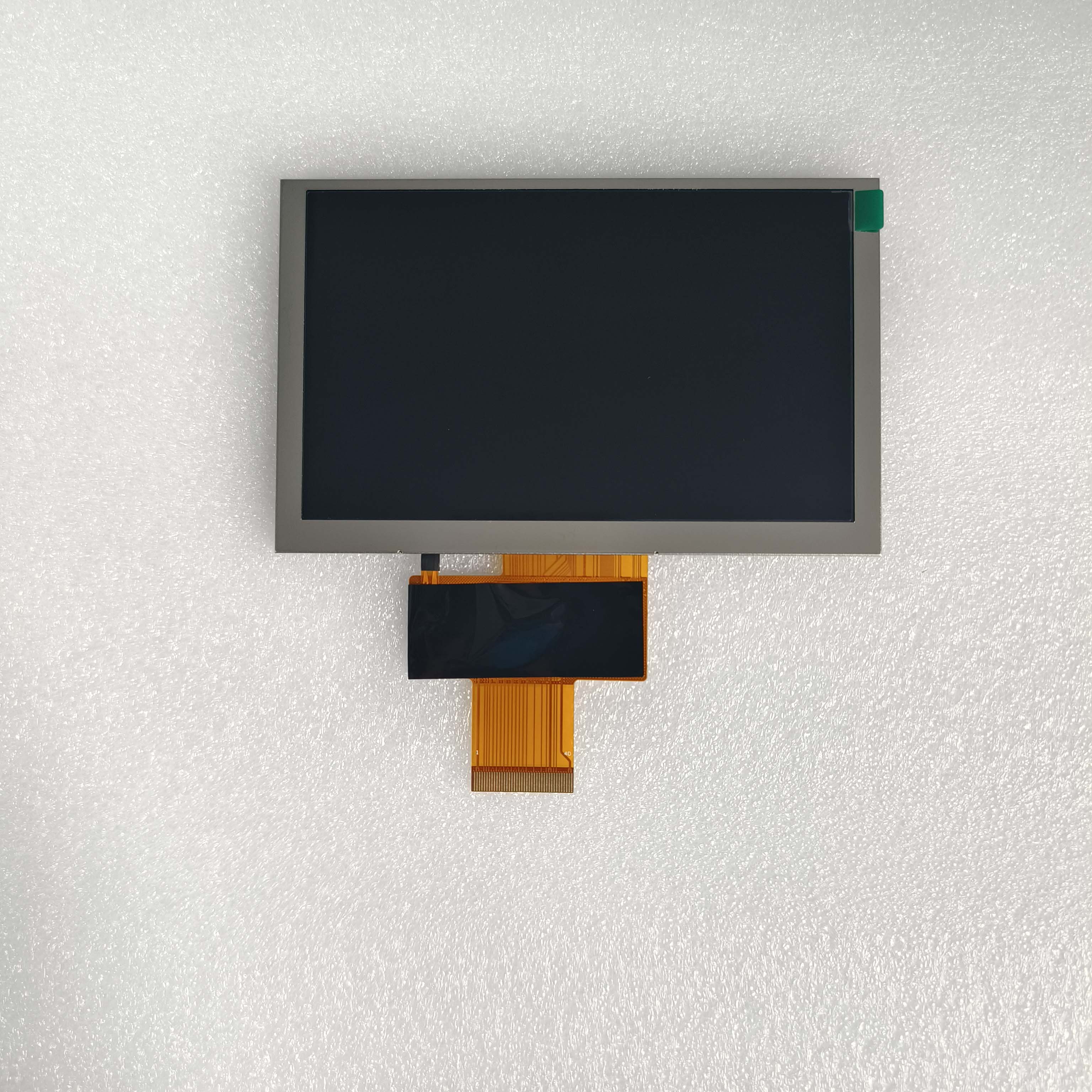
| Product Type | Typical Size | Resolution | Interface | Peak Brightness | Certification | AR Application |
|---|
| Vehicle LCD | 12.3" | 1920×720 | LVDS | 950 nits | IATF16949 | Panoramic AR overlays |
| Bar-Type | 12.3" | 1920×720 | LVDS | 380 nits | IATF16949 | Wide field-of-view HUD |
| FHD Display | 7.0" | 1200×1920 | MIPI | 400 nits | IATF16949 | Portrait AR clusters |
| OCA Bonded | 10.1" | 1280×800 | LVDS | 850 nits | IATF16949 | Glare-free overlays |
CDTech supports MIPI on products like the 7.0" S070QWU144NN-1 portrait at 1200×1920, with 24-hour responses and 2024 automation for custom AR prototypes in under 12 weeks.
What Certifications and Quality Standards Ensure AR Display Reliability?
IATF16949 provides automotive traceability, ISO13485 adds medical-grade precision for AR accuracy, ISO9001 ensures consistency, and ISO14001 supports ESG. Quad certification is rare, minimizing risks. Zero-defect policies target sub-0.1% defects for pixel-perfect reliability.
CDTech holds all four certifications and a zero-defect policy, ideal for AR in its automotive displays exported to Europe, Americas, Middle East, Russia, Japan, and Taiwan.
What Are Real-World AR Automotive Display Use Cases?
AR overlays navigation arrows on roads, highlights hazards like pedestrians, enhances clusters with dynamic gauges, and evolves HUDs in models from BMW and Mercedes. Adoption ramps 2027-2030, led by European and Chinese OEMs, improving safety in semi-autonomous driving.
CDTech supplies high-brightness vehicle displays like the 3.6" round S036BWS01EN at 1000 nits for global Tier-1 programs across key markets.
What Should OEMs and Tier-1 Suppliers Look for in an AR Display Manufacturer?
Seek IATF16949/ISO13485 certifications, in-house OCA/MIPI custom capabilities, 10,000+ unit scalability, 24-hour support, and zero-defect records. Global exports and dust-free facilities ensure reliability for 2027 launches.
CDTech's 10,000㎡ facility, quad certifications, in-house OCA, and Shenzhen base with worldwide exports meet all criteria for AR supply chains.
CDTech Expert Views
"AR automotive displays require unmatched precision that only certified manufacturers deliver. Our ISO9001, ISO14001, ISO13485, and IATF16949 quad certifications, plus zero-defect policy, ensure sub-pixel accuracy for overlays. In-house OCA bonding eliminates glare in our 1000 nits vehicle panels like S050HWV29ES, while 2024 automation and 24-hour responses accelerate custom AR clusters for 2027 platforms. With 13+ years and global exports, CDTech de-risks Tier-1 procurement."
— CDTech Senior Applications Engineer, Automotive Display Division
Conclusion
AR head-up displays transform vehicle safety by overlaying navigation and alerts onto real-world views using high-brightness TFT LCDs up to 1000 nits, OCA bonding, and MIPI interfaces. CDTech's quad certifications, zero-defect manufacturing in a 3,500㎡ dust-free workshop, and custom vehicle solutions like 12.3" 1920×720 panels position it as a key partner for OEMs targeting 2027-2030 adoption. This ensures reliable, glare-free AR for next-gen vehicles.
FAQs
What is the difference between AR head-up displays and traditional windshield HUDs?
Traditional HUDs show static speed and fuel data. AR HUDs dynamically overlay navigation arrows and hazards aligned with roads, needing 850-1000 nits brightness, MIPI low latency, and OCA for sunlight clarity absent in legacy systems.
Why does OCA optical bonding matter for outdoor AR visibility?
OCA eliminates air-gap reflections in sunlight, improving contrast 30-50% for legible overlays. CDTech integrates it seamlessly in products like S101HWX53EP-FC47-AG, vital for safety-critical AR at high speeds.
What certifications should I look for in an AR automotive display supplier?
Prioritize IATF16949 for automotive quality and ISO13485 for precision. CDTech's full set including ISO9001/14001 ensures traceability and reliability for AR overlays.
How long does it take to develop a custom AR display for a new vehicle platform?
Responsive suppliers like CDTech deliver prototypes in 8-12 weeks using 2024 automated lines for POL/LCD/CTP, supporting MIPI customs with 24-hour responses.
What resolutions and sizes are typical for AR automotive clusters?
Typical include 12.3" 1920×720 bar-types, 10.1" 1280×800, and 7.0" 1200×1920 portraits. CDTech offers these with LVDS/MIPI for flexible AR fields of view.
Instrument Clusters and HUD