Cluster display gamma calibrates the luminance curve in automotive instrument cluster LCDs for precise, true-to-life colors matching brand logos and UI elements. CDTech's IATF16949-certified process uses custom look-up tables and wide-temperature stability (-30°C to +85°C) for zero-defect accuracy in vehicle dashboards under harsh conditions.
Check: How Have Digital Instrument Cluster Displays Evolved in Modern Passenger Cars?
What Is Gamma Calibration and Why Does It Matter in Automotive Displays?
Gamma calibration adjusts the non-linear luminance response of LCDs to ensure accurate color reproduction. In automotive clusters, it maintains brand-accurate reds matching car logos across temperature extremes and viewing angles, meeting IATF16949 standards for safety, compliance, and user trust in critical driving information.
Gamma curves define how pixel values translate to brightness, vital for automotive displays where color shifts can confuse drivers or violate brand identity. Precise calibration prevents discrepancies, like UI red mismatching the logo, ensuring visibility in sunlight and regulatory adherence.
How Do Automotive-Grade Gamma Curves Differ from Consumer LCD Calibration?
Automotive gamma curves maintain color fidelity across -30°C to +85°C with ±ΔE 2 precision using custom LUTs, unlike consumer calibration limited to 0°C to +50°C and ±ΔE 5 tolerance, prioritizing thermal stability and IATF16949 certification for harsh environments.
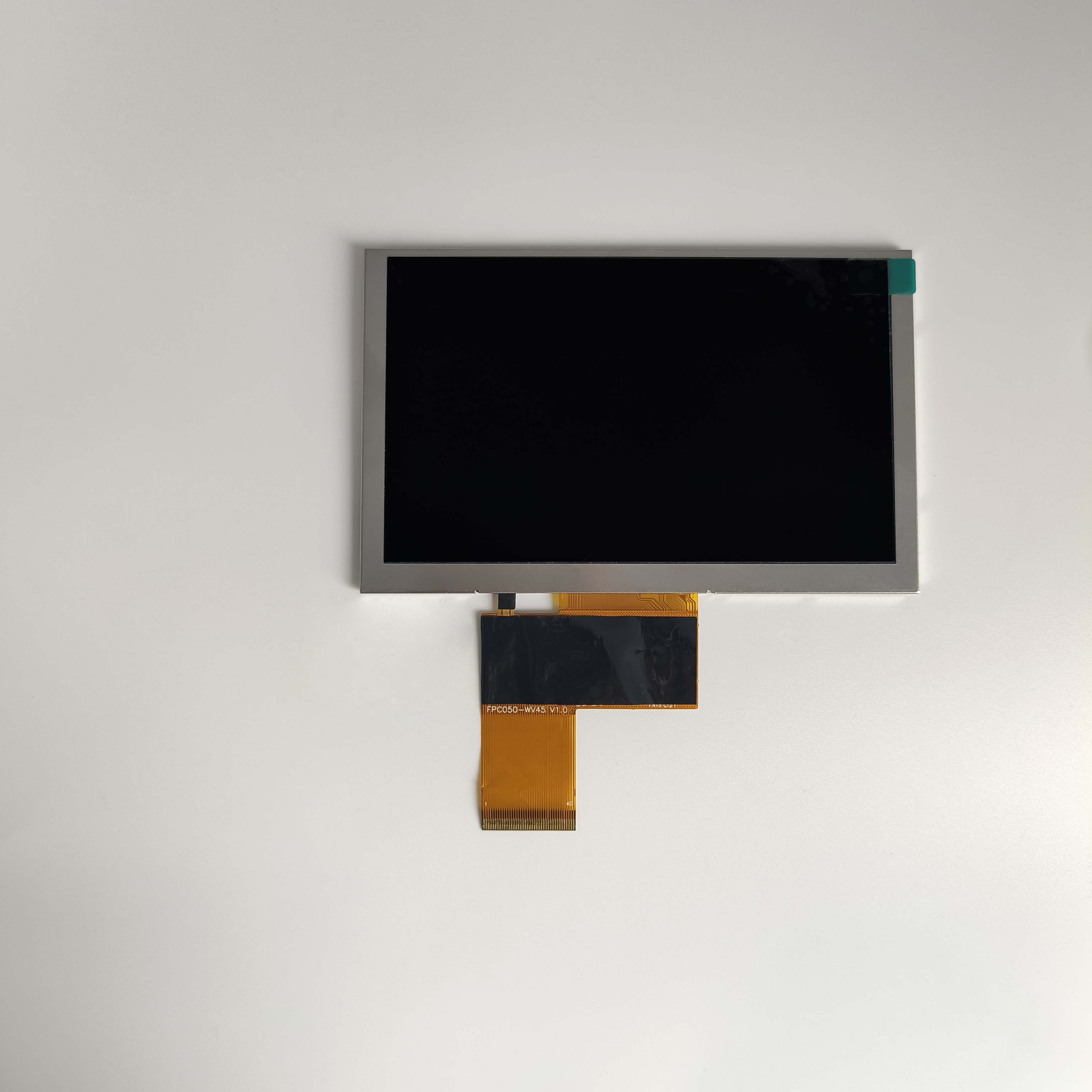
| Parameter | Automotive | Consumer |
|---|
| Operating Temperature Range | -30°C to +85°C | 0°C to +50°C |
| Gamma Stability Required | ±2% across full range | ±5% acceptable |
| Color Matching Precision | ±ΔE 2 (brand logo match) | ±ΔE 5 typical |
| Certifications | IATF16949, ISO13485 | None mandated |
IPS panels in automotive LCDs like CDTech's 1000 nits models require gamma optimized for 178° viewing angles, enhancing sunlight readability without color shift, far beyond consumer TN panels.
What Is OCA Optical Bonding and How Does It Enhance Gamma-Calibrated Displays?
OCA optical bonding uses clear adhesive to eliminate air gaps between LCD and touch layers, boosting color saturation and vibrancy in gamma-calibrated automotive displays. It improves sunlight readability and angle consistency, with CDTech offering in-house integration for durable, high-brightness vehicle solutions.
In products like the S101HWX53EP-FC47-AG 10.1" vehicle TFT LCD, OCA enhances 850 nits IPS panels, reducing reflections for true-to-life colors matching OEM logos even in direct sun.
Why Is IATF16949 Certification Essential for Automotive Display Gamma Calibration?
IATF16949 ensures repeatable, zero-defect processes in gamma calibration, mandatory for OEM supply chains. It validates traceability and control, reducing risks in color-critical automotive clusters where CDTech's certification guarantees consistent brand-matching reds across batches.
Check: Vehicle LCD Display
CDTech's quad certifications (ISO9001, ISO14001, ISO13485, IATF16949) support OEM audits, enforcing 100% verification for thermal-stable gamma curves.
How Does CDTech Perform Gamma Calibration in Its 10,000㎡ Factory?
CDTech Expert Views
"In our 10,000㎡ factory with 3,500㎡ thousand-level dust-free workshop, gamma calibration starts with OEM-supplied Pantone values for brand reds. We program custom LUTs, test in -30°C to +85°C chambers using spectrophotometers, and apply 100% inspection under our zero-defect policy. For a recent 12.3" cluster like S123BWU11EP, this ensured logo-perfect color at 950 nits across extremes." – CDTech R&D Lead, 10+ years TFT expertise.
CDTech's workflow includes design, LUT programming, wide-temperature cycling, and verification, leveraging 2024 automatic POL/LCD/CTP equipment for precision in displays like the 3.6" S036BWS01EN round vehicle LCD.
What Are the Key Challenges in Automotive Gamma Calibration and How Are They Solved?
Thermal drift: LCD luminance shifts at -30°C to +85°C; solved by multi-point LUTs at key temperatures, as in CDTech's 1000 nits IPS vehicle modules.
Viewing angle consistency: Maintained via IPS gamma optimization for 178° views in 12.8" S128HWU01HP-FC01 displays.
Long-term stability: Pre-tested for 5,000+ hour LED life to prevent aging shifts.
Supply variability: Standardized protocols and batch testing ensure consistency.
Which Industries Beyond Automotive Benefit from Cluster Display Gamma Calibration?
Medical devices use it for precise diagnostic colors (ISO13485-certified at CDTech); industrial HMIs for safety coding; smart home panels for brand consistency; and instrumentation in extremes, leveraging CDTech's cross-vertical expertise.
How Can You Partner with CDTech for Custom Automotive Gamma Calibration?
Engage CDTech for design consultation, prototype LUT development, OCA integration, and IATF16949-tested validation. Exports to Europe, Americas, and beyond support global OEMs. Contact sales@cdtech-lcd.com or +86 0755-23032202 (WhatsApp: +8613556818296) for specs review and quotes.
Conclusion
Automotive-grade gamma calibration ensures UI reds match car logos perfectly from -30°C Siberian winters to +85°C Dubai summers. CDTech's 13+ years, quad certifications, zero-defect policy, in-house OCA, and 10,000㎡ facility deliver reliable, custom solutions for OEMs, spanning automotive, medical, and industrial needs with true-to-life colors.
FAQs
What exactly is a gamma curve, and how does it differ from simple brightness adjustment?
Gamma is a 2.0–2.4 function mapping 0–255 values to non-linear luminance, preserving tonal relationships unlike linear brightness. Automotive versions tailor to LCDs, LEDs, and -30°C to +85°C for color fidelity.
How does CDTech ensure that a calibrated "red" in the display matches the OEM's brand red?
CDTech measures OEM target reds in CIE LAB via spectrophotometer at D65, creates LUTs matching native LCD output, verifies across thermal cycles, and inspects 100% per batch for zero-defect accuracy.
Why is wide-temperature stability (-30°C to +85°C) critical for automotive gamma calibration?
Temperature alters crystal viscosity, LED output, and IC performance, causing color shifts. Multi-point LUTs compensate, keeping UI reds logo-accurate in extremes like CDTech's S050HWV29ES vehicle display.
What certifications should I look for in an automotive display gamma calibration partner?
IATF16949 for process control; ISO9001 for quality; ISO14001 for consistency; ISO13485 for precision. CDTech's all-four plus zero-defect minimize compliance risks.
How long does automotive gamma calibration typically take, and what are the costs?
Prototypes: 2–4 weeks; production: 4–8 weeks, varying by size and OCA. Contact CDTech for quotes tailored to your vehicle LCD specs.
Instrument Clusters and HUD