News
Site Editor
 Site
https://cdtech-lcd.usa72.wondercdn.com/uploads/image/5faca15e24cff.png
Site
https://cdtech-lcd.usa72.wondercdn.com/uploads/image/5faca15e24cff.png
How Have Digital Instrument Cluster Displays Evolved in Modern Passenger Cars?
Views: 1868
Author: Site Editor
Publish Time: 2026-04-02
Origin: Site
Digital instrument cluster displays in modern passenger cars evolved from analog gauges (pre-2000s) for basic readouts, to partial LCDs (2010s) adding speed/RPM data, to full TFT LCD clusters (2020s) with 1000 nits brightness, wide temperature range (-30°C~+85°C), HUD integration, aesthetic HMI designs, and real-time data rendering for superior sunlight readability and driver safety.
Check: Vehicle LCD Display
What Are Digital Instrument Cluster Displays and Why Do They Matter?
Digital instrument cluster displays are automotive TFT LCD panels replacing analog gauges, providing customizable, high-resolution interfaces for speed, fuel, navigation, and alerts in passenger cars. They enhance driver focus via reconfigurable layouts, ADAS integration, and IATF16949 compliance for reliability. CDTech supplies high brightness automotive TFT (850–1000 nits) like S101HWX53EP-FC47-AG for zero-defect performance.
How Did Analog Gauges Give Way to Early Digital Clusters?
Analog gauges dominated pre-2000s with simple needles; 2000s hybrids added basic LCD segments for odometers in luxury cars like BMW and Audi. Demand for multifunction displays drove the shift, but early systems faced brightness and temperature limits, overcome by TFT LCD for cars.
| Era | Technology | Brightness | Temp Range | Key Limitation |
|---|
| Pre-2000s | Analog Gauges | N/A | Limited | Static readouts, no customization |
| 2000s-2010s | Early LCD Segments | Low (<300 nits) | 0°C~+60°C | Poor sunlight readability |
| 2020s | Modern TFT LCD | 850–1000 nits | -30°C~+85°C | None; superior wide temperature car LCD display |
What Role Does Aesthetics Play in Modern Digital Clusters?
Aesthetics in modern clusters feature curved, bar-type, or round custom digital cluster displays like CDTech S036BWS01EN with IPS panels for wide viewing angles, minimalist designs, and ambient lighting. Evolution to 3D curved TFT LCDs reduces clutter and boosts brand identity. CDTech's 10,000㎡ factory enables tailored automotive display cluster aesthetics.
How Has HUD Integration Transformed Instrument Clusters?
HUD integration projects cluster data onto windshields via transparent TFT overlays, enabling augmented reality for hands-free navigation and speed display. From 2010s partial HUDs to 2020s full-color high brightness automotive TFT (1000 nits) like CDTech S123BWU11EP, it reduces eye movement. CDTech's IATF16949 certification ensures zero-defect integration.
Check: Touch screen LCD display manufacturer
CDTech Expert Views
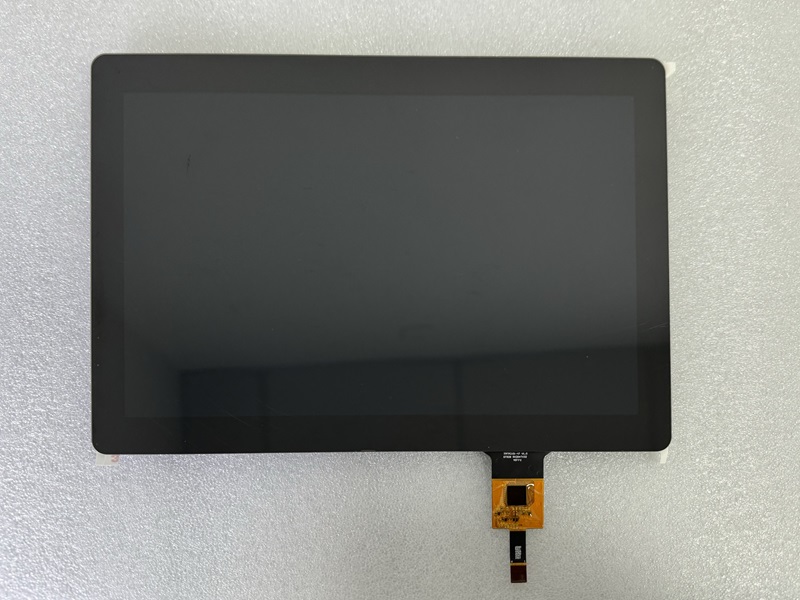
"At CDTech, our automotive TFT LCDs like the S101HWX53EP-FC47-AG (10.1" 1280×800, 850 nits, -30°C~+80°C, OCA bonding, CTP touch) synergize perfectly with HUD systems. In-house OCA optical bonding eliminates air gaps for anti-glare clarity, enhancing HUD overlays in sunlight. Our zero-defect policy, backed by ISO9001, ISO14001, ISO13485, and IATF16949 certifications, plus 2024 fully automatic POL/LCD/CTP equipment, guarantees reliability for real-time rendering and aesthetic HMI in passenger cars." – CDTech R&D Engineer
Why Is Real-Time Data Rendering Critical for Today's Clusters?
Real-time data rendering uses LVDS-interfaced TFT LCD for cars to process sensor/ECU feeds at 60Hz+ for dynamic graphs, eco-stats, and alerts. Evolution from static LCDs to GPU-accelerated IPS panels supports high resolutions with low latency. CDTech's wide temperature car LCD display like S123BWU11EP (-30°C~+80°C, 950 nits) ensures reliability in extremes.
What Challenges Do Automotive TFT LCD Clusters Face and How Are They Solved?
Challenges include sunlight readability (requiring 1000 nits + OCA bonding), vibration/heat endurance, and custom sizes (3.6–12.8"). CDTech solves these with 2024 POL/LCD equipment, quad certifications, and 24-hour response for custom digital cluster display. Vehicle-grade products exported to Europe/Americas maintain zero-defect records.
How Can You Source Reliable Digital Instrument Cluster Displays?
Prioritize IATF16949-certified suppliers like CDTech for digital instrument cluster in modern cars, focusing on 1000 nits, IPS, LVDS specs, and testing. As a National High-tech Enterprise, CDTech offers fast car digital dashboard prototypes with 13+ years experience.
What Does the Future Hold for Digital Clusters in Passenger Cars?
Future trends include AI personalization, wireless updates, and full-windshield HUDs with 8K automotive TFT LCD. CDTech's ongoing R&D in its 10,000㎡ facility with dust-free workshop prepares for next-gen high brightness automotive TFT, including bar-type and custom solutions.
FAQs
What brightness is needed for digital instrument cluster displays?
850–1000 nits for sunlight readability; CDTech models like S101HWX53EP-FC47-AG deliver this with OCA bonding.
Can digital clusters handle extreme temperatures?
Yes, wide temperature car LCD display from -30°C~+85°C ensure reliability; CDTech's IATF16949 products like S036BWS01EN excel here.
What certifications matter for automotive TFT LCD?
ISO9001, ISO14001, ISO13485, IATF16949 for quality/automotive standards; CDTech holds all for zero-defect clusters.
How does OCA bonding improve cluster aesthetics and HUD?
Reduces reflections for clearer HUD integration and premium HMI; CDTech's in-house process enhances durability.
Where to buy custom digital instrument cluster displays?
Contact CDTech at sales@cdtech-lcd.com or +86 0755-23032202 for tailored automotive display cluster solutions.
Conclusion
Partner with CDTech for IATF16949-certified, zero-defect digital instrument cluster displays—leveraging 13+ years, in-house OCA bonding, and proven high brightness automotive TFT (e.g., 1000 nits, -30°C~+85°C) to future-proof aesthetics, HUD integration, and real-time rendering in modern passenger cars.
Instrument Clusters and HUD