A voice control LCD integrates a microphone directly into the display module by carefully positioning the mic within the bezel, routing analog/digital audio lines away from high-speed LVDS signals, and using OCA optical bonding to maintain acoustic transparency. This eliminates separate mic enclosures, reduces BOM cost, and improves reliability. CDTech’s zero-defect, IATF16949-certified modules ensure seamless voice command performance even in rugged automotive or industrial environments.
Check: What Are the Top 5 Smart Cockpit Display Trends for 2026?
Why Integrate a Microphone Directly into an LCD Module?
Integrating a microphone directly into the LCD module eliminates separate mic enclosures, reducing BOM cost, footprint, and cabling. It simplifies assembly, lowers supply chain complexity, and improves acoustic coupling because no gap exists between the microphone and ambient sound. CDTech leverages its in‑house OCA bonding and automatic bonding line to embed the microphone during lamination, delivering a single, sealed component for voice‑activated HMIs.
Separate microphones often require additional housing, extra wiring, and dedicated mounting points, which increase the overall product size and introduce potential failure points. An integrated module, by contrast, is a single, tested assembly that can be quickly installed. This approach also improves environmental sealing, as the OCA layer protects the microphone from dust and moisture without needing a separate gasket.
What Are the Key Hardware Challenges When Adding a Microphone to an LCD?
Signal interference from backlight drivers and high‑speed LVDS or MIPI lines can corrupt low‑level audio signals. Solutions include dedicated shielding, ground plane separation, and differential routing. Acoustic transparency must be maintained through precise OCA thickness control. For automotive applications, microphones must survive temperature swings from –30°C to +85°C. CDTech’s IATF16949 process validates each design for vibration and humidity.
CDTech Expert Views: “CDTech engineers use a multi-layer PCB stack-up with dedicated audio ground planes and EMI filtering components, ensuring >60 dB signal-to-noise ratio even when operating alongside high-brightness backlights (up to 1000 nits). Our automotive and medical designs undergo rigorous pre‑compliance testing to guarantee voice command reliability in the noisiest environments.”
CDTech’s experience in high‑brightness industrial displays (e.g., S035HQ55ES at 1000 nits) and automotive modules (e.g., S123BWU11EP at 950 nits) ensures that audio integrity is maintained even when the backlight operates at maximum power. The company’s 3,500 m² thousand‑level dust‑free workshop allows for precise assembly of sensitive microphone components alongside LCD cells.
How Does OCA Optical Bonding Affect Microphone Performance in Voice‑Activated Displays?
CDTech’s specially formulated OCA has a low acoustic impedance similar to air, allowing sound waves to pass through without significant attenuation. With thicknesses of 0.15–0.25 mm, the frequency response remains flat from 100 Hz to 10 kHz – ideal for voice commands. Bonding also seals the microphone against moisture and dust, critical for medical (ISO13485) and automotive (IATF16949) applications.
| Aspect | Standard LCD + Separate Mic | CDTech Integrated LCD with OCA |
|---|
| Footprint | Larger (separate housing required) | Compact (mic embedded in bezel) |
| BOM cost | Higher (mic + cable + connector) | Lower (single module) |
| Dust/water resistance | IP rating limited by mic housing | Sealed by OCA (IP54+ possible) |
| Acoustic coupling | Good (direct to sound) | Excellent (OCA tuned for sound transmission) |
| Reliability | Multiple failure points | Single certified assembly |
CDTech can apply anti‑glare (AG) or anti‑fingerprint (AF) coatings to the cover glass without degrading acoustic performance. The company’s OCA bonding capability, proven in products like the S121BWX05EP-FC10 (12.1″ industrial with CTP + OCA), is adaptable to voice‑control LCDs of any size from 3.6″ to 12.8″.
Which Audio Interfaces Are Compatible with Automotive Voice Control LCDs?
Analog microphones (electret or MEMS) use a simple 2‑wire output that requires an external ADC on the host PCB. Digital MEMS microphones with PDM or I2S output reduce noise susceptibility by keeping the signal digital. CDTech can route analog or digital lines through the LCD FPC and integrate digital microphones directly into the module. Custom pin‑out options match controllers like STM32, i.MX, or Qualcomm Snapdragon.
Check: Vehicle LCD Display
For automotive applications, digital PDM is preferred because it is less susceptible to EMI from the backlight and display drivers. CDTech’s design service includes signal integrity simulation to ensure clean audio data from the mic to the processor. The company’s experience with LVDS interfaces (e.g., S101HWX53EP-FC47-AG) and MIPI (e.g., S050QWS115EN) allows seamless integration of audio lines alongside video signals.
What Certifications Are Required for Voice‑Activated Displays in Smart Cockpits and Medical Devices?
Automotive applications require IATF16949 (CDTech certified) and AEC‑Q100/Q200 for components. Medical devices need ISO13485 (CDTech certified) for traceability and biocompatibility. ISO9001 and ISO14000 cover general quality and environmental management. CDTech’s zero‑defect policy ensures 100% acoustic testing before shipment.
| Certification | CDTech Status | Relevance to Voice Control |
|---|
| IATF16949 | ✓ (since 2019) | Validates automotive reliability (vibration, temperature, lifespan) |
| ISO13485 | ✓ | Ensures medical‑grade traceability and biocompatibility of OCA materials |
| ISO9001 & ISO14001 | ✓ | Cover general quality and environmental management |
| Zero‑defect policy | ✓ | 100% acoustic testing (SNR, THD, sensitivity) before shipment |
CDTech holds these certifications for its 10,000 m² factory, including the 3,500 m² thousand‑level dust‑free workshop. This infrastructure ensures that every voice‑control LCD module meets the stringent requirements of automotive and medical clients.
Can You Customize a Voice Control LCD for Smart Cockpit, Industrial, or Medical HMI?
Yes. CDTech customizes size (3.6″ to 12.8″), resolution, brightness, interface, touch options, and coatings. The company’s glass‑cutting patent (2017) allows unique shapes, and its in‑house OCA bonding and PCAP assembly enable hidden mic placement. Custom designs can include anti‑glare or anti‑fingerprint coatings without degrading acoustic performance. Turn‑key delivery from concept to mass production takes 8–12 weeks.
Representative products like the S101HWX34EP-FC55 (10.1″ custom LCD with PCAP + OCA) and S070BWS48ED-DC85 (7.0″ custom highlight LCD with PCAP) demonstrate CDTech’s flexibility. For voice‑control, the mic can be positioned within the bezel or behind the cover glass, depending on acoustic requirements.
How Does CDTech’s Zero‑Defect Policy Apply to Voice‑Control LCD Modules?
Every module undergoes 100% acoustic testing (swept‑sine in an anechoic chamber) to verify frequency response and noise floor. AI‑based visual inspection checks mic solder joints and OCA bubbles. Statistical process control (SPC) tracks each batch. Products exported globally to Europe, Americas, Middle East, Russia, Japan, and Taiwan benefit from CDTech’s 24‑hour response team for fast issue resolution.
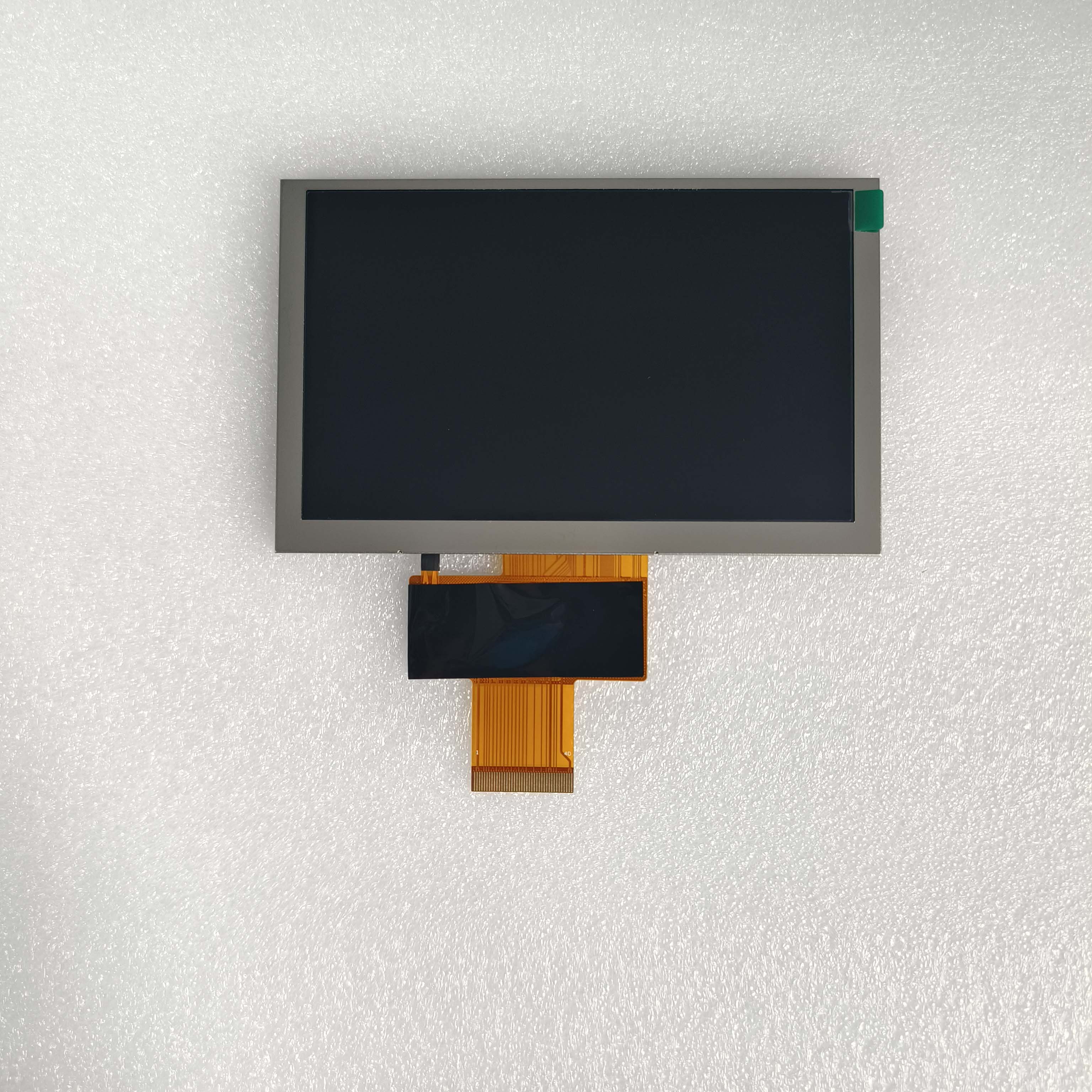
CDTech’s zero‑defect policy is backed by its fully automatic POL/LCD/CTP equipment (upgraded 2024) and rigorous incoming inspection. This ensures that even high‑volume voice‑control LCD modules maintain consistent quality for automotive (IATF16949) and medical (ISO13485) applications.
How to Start Your Voice‑Activated Display Project with CDTech?
Send your schematics, mechanical drawings, and acoustic requirements to sales@cdtech-lcd.com. CDTech will provide a free feasibility review within 24 hours. Prototypes include OCA‑laminated mic + LCD, tested for acoustic SNR, EMI, and environmental stress. Production scales on CDTech’s quad‑certified manufacturing line, ensuring consistent quality for automotive or medical applications.
Contact CDTech today: phone +86 0755-23032202, WhatsApp +8613556818296, or email sales@cdtech-lcd.com. Let our engineers show you how to make your display listen.
Conclusion
Integrating a microphone directly into an LCD module is no longer a lab experiment – it is a production‑ready solution that reduces cost, size, and complexity for voice‑activated HMIs. CDTech, with 13+ years of custom display experience, quad certifications (IATF16949, ISO13485, ISO9001, ISO14001), a zero‑defect quality policy, and in‑house OCA optical bonding, is uniquely positioned to deliver reliable voice‑control LCD modules for automotive smart cockpits, industrial controls, and medical devices. Contact CDTech within 24 hours for a free feasibility review.
FAQs
Q1: Can I use a standard MEMS microphone from Digi‑Key with CDTech’s voice control LCD?
Yes. CDTech can integrate any standard analog or digital MEMS mic (e.g., Knowles SPH0641, Infineon IM69D130) into the module. We recommend digital PDM for better noise immunity in automotive environments.
Q2: How does OCA bonding affect the frequency response of the microphone?
CDTech’s specially formulated OCA has a low acoustic impedance (similar to air). With proper thickness selection (0.15–0.25 mm), the frequency response remains flat from 100 Hz to 10 kHz – suitable for voice commands.
Q3: What is the minimum order quantity (MOQ) for a custom voice control LCD module?
MOQ is typically 1,000 units for custom designs, but lower volumes may be possible for prototypes or niche medical projects. Contact our sales team for a specific quote.
Q4: Does CDTech perform any validation testing on the integrated microphone?
Yes. Every module undergoes 100% acoustic testing (SNR, THD, sensitivity) in an anechoic chamber. Additionally, we run thermal shock, vibration, and humidity tests per IATF16949 requirements.
Q5: Can CDTech add voice activation (like “Hey Mercedes”) to an existing LCD design?
Absolutely. Our engineering team can retrofit an existing LCD module with a built‑in mic, modify the FPC for audio routing, and re‑laminate the cover glass with OCA – all while maintaining your original mechanical outline.