News
Site Editor
 Site
https://cdtech-lcd.usa72.wondercdn.com/uploads/image/5faca15e24cff.png
Site
https://cdtech-lcd.usa72.wondercdn.com/uploads/image/5faca15e24cff.png
How Can Haptic Feedback Touch Screens Deliver Reliable Tactile Clicks for Automotive HMIs?
Views: 437
Author: Site Editor
Publish Time: 2026-05-03
Origin: Site
Haptic feedback touch screens deliver reliable tactile clicks by integrating precision actuators beneath the display stack. When a driver presses a virtual button, the actuator generates a localized vibration that mimics a mechanical click. CDTech combines this technology with IATF16949-certified manufacturing and zero-defect quality control, ensuring consistent haptic response across extreme temperatures from -30°C to +85°C for demanding automotive environments.
Check: What Are the Top 5 Smart Cockpit Display Trends for 2026?
What Exactly Is Haptic Feedback for a Touch Screen?
Haptic feedback recreates a physical sense of touch through vibrations or forces applied to the user. In automotive and industrial touch screens, actuators—such as piezo or electromagnetic devices—generate a crisp, localized "click" when a virtual button is pressed. CDTech integrates these actuators into custom display stacks, ensuring the tactile response feels natural and reliable even under harsh conditions.
Why Are Automotive and Industrial Engineers Switching from Physical Buttons to Haptic Touch?
Engineers choose haptic touch for dynamic UI flexibility, reduced mechanical wear, and easier environmental sealing. Physical buttons wear out over time and require cutouts that compromise dust and moisture resistance. Haptic touch screens offer software-defined controls that can change function, while solid-state actuation ensures long life. The table below highlights key differences.
| Feature | Haptic Touch Screen | Physical Button |
|---|
| UI Flexibility | Infinite (software-defined) | Fixed (hardware-defined) |
| Mechanical Wear | Low (solid-state) | High (springs & contacts) |
| Environmental Seal | Easy (flush glass) | Difficult (cutouts) |
| Tactile Feedback | Dynamic (adjustable click) | Fixed (mechanical snap) |
How Do Haptic Actuators Create That Realistic “Click” Sensation?
When voltage is applied, a haptic actuator deforms rapidly, generating a high-force vibration that travels through the touch layer. This creates a localized “click” only where the virtual button is pressed. CDTech’s OCA optical bonding eliminates air gaps, ensuring the actuator’s energy transfers directly to the user’s finger without dampening, resulting in a sharp, precise tactile response.
Which Certifications Matter for a Reliable Haptic Touch Display?
For automotive haptic displays, IATF16949 certification is the gold standard. It mandates rigorous testing for temperature cycling, vibration, and long-term reliability. CDTech holds IATF16949, ISO9001, ISO14001, and ISO13485 certifications, with a zero-defect quality policy. Their 3,500m² thousand-level dust-free workshop prevents contamination that could disrupt actuator performance or touch sensitivity.
How Does In-House OCA Bonding Improve Haptic Touch Performance?
Standard air-gap displays absorb actuator vibrations, making clicks feel mushy. CDTech’s OCA optical bonding fills the gap between LCD and touch panel with clear adhesive, creating a rigid stack. When the actuator fires, the entire module vibrates as one unit, delivering a sharp click. OCA also improves sunlight readability and ruggedness—critical for automotive monitors exposed to heat and vibration.
Check: Vehicle LCD Display
Can CDTech Provide Custom Haptic Touch Panel Solutions?
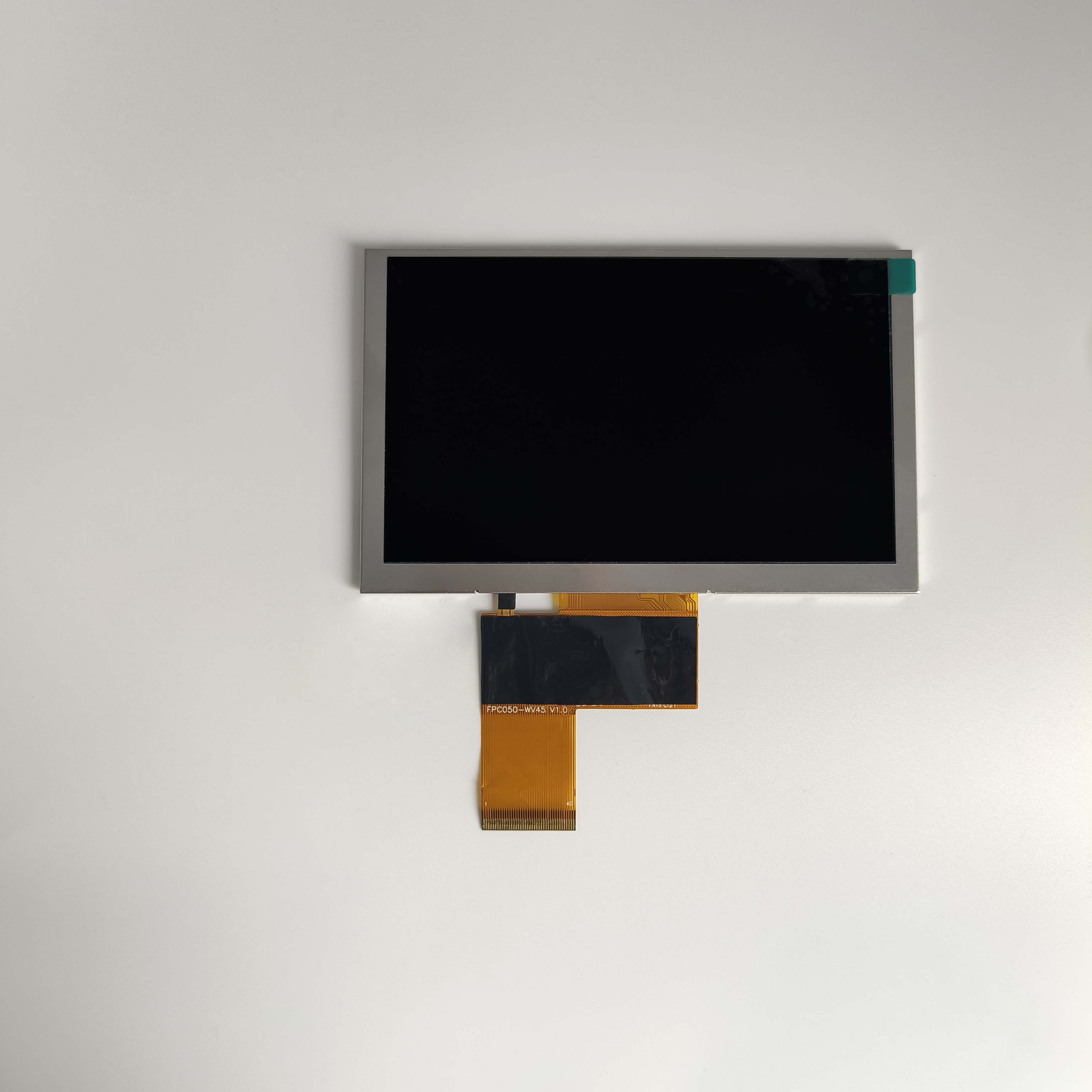
Yes. CDTech offers custom sizes, actuator placement for specific button locations, and cover glass with anti-glare or anti-reflective coatings. As a single-supplier, CDTech integrates LCD, touch, actuator, and OCA in-house, reducing supply chain risk. For example, the 12.3" 1920x720 automotive display (model S123BWU11EP) can serve as a platform for haptic integration, with high brightness and wide temperature support.
CDTech Expert Views
“Our R&D team has developed a library of haptic profiles for common automotive buttons—climate control, volume, navigation—so OEMs can get the ideal feel without starting from scratch. By tuning actuator waveforms, we can create soft taps, firm clicks, or double-pulse confirmations. This customization is made possible by our in-house OCA bonding and IATF16949 testing. Whether you need a round 3.6-inch display or a 12.8-inch FHD panel, we ensure every haptic response is consistent from -30°C to +85°C. Our goal is to make the transition from physical buttons to haptic touch seamless and reliable for drivers.”
Does Haptic Feedback Impact Display Durability in Extreme Temperatures?
Piezo and other actuators can lose output in extreme cold, but CDTech validates entire haptic assemblies in thermal chambers from -30°C to +85°C per IATF16949 protocols. Proper OCA bonding distributes thermal stress evenly, protecting the actuator and maintaining click strength. The result is a rugged haptic LCD that performs reliably in car cabins or factory floors without mechanical failure over the vehicle’s lifespan.
Frequently Asked Questions
Can haptic feedback be turned off if the driver prefers no vibration?
Yes. The haptic actuator is software-controlled, so the effect can be adjusted in intensity from a light tap to a firm click, or disabled entirely via the vehicle’s HMI settings. This flexibility allows drivers to customize their experience while keeping the touch interface functional.
Does the haptic layer affect touch sensitivity or response time?
No. When properly integrated with OCA bonding, the haptic layer is transparent to the touch controller. CDTech’s zero-defect bonding eliminates air gaps and signal interference, maintaining fast, accurate capacitive touch response even with the actuator in the stack.
How long do haptic actuators last in a car dashboard?
Solid-state actuators, such as piezo devices, have lifespans exceeding 1 million actuations. Combined with IATF16949-rated assembly, they easily outlast the vehicle’s lifecycle without mechanical wear. CDTech ensures each actuator is tested for consistent performance over temperature and vibration cycles.
Can CDTech retrofit an existing display with haptic feedback?
Yes. CDTech can take a standard TFT LCD panel and add a custom haptic touch layer (sensor, actuator, and OCA) to create a retrofitted solution. This is common for aftermarket or industrial HMIs where upgrading to touch is desired without redesigning the entire enclosure.
Conclusion
Haptic feedback touch screens are no longer a luxury—they are an engineering necessity for modern dashboards and control panels. By combining precision actuator technology with in-house OCA optical bonding and IATF16949 zero-defect manufacturing, CDTech delivers a tactile experience that rivals physical buttons without compromising ruggedness or readability. For engineers seeking a single, certified partner to integrate touch, display, and haptics, CDTech provides the reliability and customization to make the switch from buttons to glass seamless.
Ready to feel the difference? Contact CDTech’s engineering team to request a haptic feedback demo board or discuss your custom display requirements. Call +86 0755-23032202 or email sales@cdtech-lcd.com.