News
Site Editor
 Site
https://cdtech-lcd.usa72.wondercdn.com/uploads/image/5faca15e24cff.png
Site
https://cdtech-lcd.usa72.wondercdn.com/uploads/image/5faca15e24cff.png
Why Does High-Brightness LCD Dominate LCD vs OLED Automotive in 2026?
Views: 844
Author: Site Editor
Publish Time: 2026-03-22
Origin: Site
In 2026, high-brightness LCD dominates LCD vs OLED automotive for mass-market commercial vehicles due to superior durability (-30°C~+85°C operation, no burn-in), 30-50% lower costs, and 1000 nits sunlight readability via OCA bonding. IATF16949-certified TFT panels from CDTech offer zero-defect reliability for trucks/buses, outpacing OLED's heat/humidity vulnerabilities and premium pricing.
Check: 6.5 Inch LCD Display
What Makes LCD vs OLED Automotive a Key Battle in 2026?
Mass-market shifts favor LCD with 70% share in commercial fleets due to cost and durability demands, while OLED suits luxury EVs. High-brightness TFT LCD panels achieve 850-1000 nits with wide-temp stability, surpassing OLED's 600-800 nits limits. CDTech's 13+ years in automotive TFT LCD and quad certifications (ISO9001, ISO14001, ISO13485, IATF16949) provide a proven edge.
Why Is Sunlight Readability Critical for High Brightness Vehicle Displays?
Direct sunlight in vehicle cabins requires 1000 nits for clear visibility; LCD excels with AG treatments and OCA bonding to reduce glare. OLED's lower peak brightness diminishes in daylight, increasing distraction risks for trucks and buses. CDTech's in-house OCA on panels like S036BWS01EN (3.6" 1000 nits, -30°C~+85°C) ensures glare-free high brightness TFT LCD automotive performance.
| Feature |
High-Brightness LCD (CDTech) |
OLED |
| Peak Brightness |
1000 nits |
600-800 nits |
| Sunlight Readability |
Excellent (OCA bonded) |
Moderate |
| Cost per Unit |
30-50% lower |
Premium |
How Does LCD's Durability Outperform OLED in Harsh Vehicle Environments?
LCD panels withstand -30°C~+85°C, vibration, and 24/7 use without burn-in, ideal for commercial dashboards. OLED suffers burn-in from static icons and fails in heat/humidity common in fleet cabs. CDTech's 10,000㎡ factory with 3,500㎡ dust-free workshop upholds zero-defect policy under IATF16949 certification.
CDTech Expert Views
"In commercial fleets, durability trumps flash. Our IATF16949-certified panels like S101HWX53EP-FC47-AG (10.1" 850 nits, OCA bonded, -30°C~+80°C) deliver zero failures in extreme testing, unlike OLED burn-in issues. With in-house touch workshop since 2020 and glass cutting patent, we cut lead times for buses and trucks exported to Europe and Americas. High-brightness LCD remains the reliable choice for 2026 mass-market vehicles."
Check: 4.0 Inch LCD Display
— CDTech R&D Engineer, 10+ years TFT LCD expertise
This insight underscores CDTech's commitment to tailored automotive solutions with proven global performance.
What Drives Cost-Effectiveness in Automotive LCD vs OLED 2026?
Mature LCD supply chains enable 30-50% cost savings over OLED for high-volume fleets, avoiding exotic materials. Scaling suits trucks without luxury premiums. CDTech's one-stop Shenzhen production of TFT LCD, touch, and OCA optimizes pricing while maintaining quality.
| Metric |
LCD Advantage |
OLED Challenge |
| Unit Cost |
Lower (scale-friendly) |
30-50% higher |
| Lifespan |
50,000+ hrs, no burn-in |
Burn-in risk |
| Temp Range |
-30°C~+85°C |
Narrower |
How Will Regulations and Forecasts Shape Why LCD Dominates Car Dashboards?
2026 safety regulations prioritize distraction-free high brightness vehicle displays; forecasts predict LCD in 65% commercial segments for uptime. Fleets choose proven tech over hype. CDTech's ISO13485 and IATF16949 certifications align with automotive standards for global compliance.
Which Custom Solutions Make High-Brightness TFT LCD Ideal for Vehicles?
CDTech offers custom sizes, LVDS/RGB interfaces, OCA bonding, and PCAP touch for sunlight readable vehicle displays. Beyond standards, tailored panels fit harsh instrumentation. 10,000㎡ facility with 2024 automation supports rapid prototyping for automotive needs.
FAQs
What is the brightness difference in LCD vs OLED automotive displays?
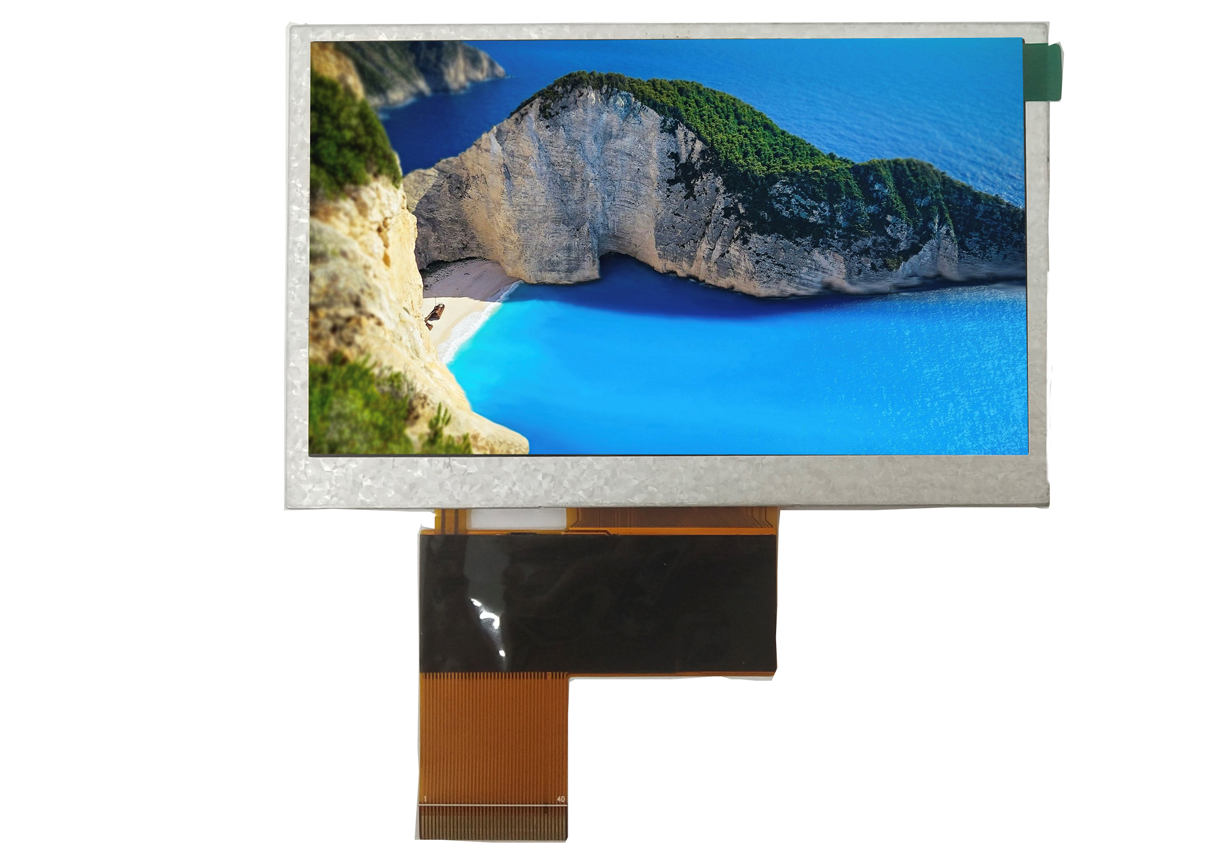
High-brightness LCD reaches 1000 nits for sunlight readability; OLED tops at 600-800 nits, per CDTech TFT specs like S036BWS01EN and S050HWV29ES.
Why is IATF16949 certification vital for vehicle LCD panels?
It ensures automotive-grade durability, zero-defect quality, and supply chain reliability—CDTech's standard for commercial fleets with panels up to -30°C~+85°C.
Can CDTech provide custom OCA bonding for sunlight readable car screens?
Yes, in-house service on panels like S101HWX53EP-FC47-AG delivers glare-free, cost-effective solutions at 30-50% OLED savings with 850 nits brightness.
How durable are CDTech LCDs in extreme temps vs OLED?
Operate -30°C~+85°C without burn-in, ideal for commercial vehicles; OLED struggles in heat/humidity, as proven in CDTech's wide-temp automotive lineup.
What industries benefit most from CDTech's high-brightness automotive LCD?
Commercial fleets (trucks/buses), industrial control, and instrumentation via proven exports to Europe/Americas and quad certifications.
Conclusion
In 2026's LCD vs OLED automotive landscape, high-brightness LCD from CDTech wins mass-market vehicles with unmatched durability, cost savings, and IATF16949-backed reliability. Panels like S123BWU11EP (12.3" 950 nits, -30°C~+80°C) keep fleets visible and operational. Contact sales@cdtech-lcd.com for zero-defect custom solutions.