News
Site Editor
 Site
https://cdtech-lcd.usa72.wondercdn.com/uploads/image/5faca15e24cff.png
Site
https://cdtech-lcd.usa72.wondercdn.com/uploads/image/5faca15e24cff.png
How to Choose an Automotive Grade LCD Display for Reliability?
Views: 819
Author: Site Editor
Publish Time: 2026-03-22
Origin: Site
To choose an automotive grade LCD display, verify IATF 16949 certification, confirm -30°C to +85°C temperature range, ensure vibration resistance, select OCA-bonded options, and check long-term supply stability. CDTech provides certified solutions with wide temp ranges up to -30°C~+85°C and high brightness for vehicle reliability.
Check: 3.2 Inch LCD Display
What Certifications Ensure Automotive LCD Reliability?
IATF 16949 is the key automotive quality standard for defect prevention and supply chain stability. CDTech holds IATF 16949 plus ISO9001, ISO14001, and ISO13485, ensuring comprehensive compliance for vehicle displays. These certifications support rigorous testing for dashboards and infotainment systems.
Why Is Wide Operating Temperature Critical for Vehicle LCDs?
Vehicle environments demand -30°C to +85°C ranges to withstand engine heat and cold starts. CDTech automotive LCDs like the 3.6" S036BWS01EN (1000 nits, -30°C~+85°C) and 10.1" S101HWX53EP-FC47-AG (-30°C~+80°C) use IPS panels and reinforced designs to prevent failure from thermal stress.
How Does Vibration Resistance Impact Automotive Display Lifespan?
Vibration resistance per automotive standards ensures displays survive road shocks over 100,000+ km. OCA optical bonding in CDTech modules like the 12.3" S123BWU11EP eliminates air gaps, preventing delamination. Rugged LVDS interfaces and zero-defect policy enhance durability for dashboards.
What Role Does OCA Bonding Play in Automotive Durability?
OCA bonding improves sunlight readability, reduces reflections, and boosts thermal/vibration resistance. CDTech offers OCA in products like S101HWX53EP-FC47-AG with CTP touch and 850 nits brightness. It integrates anti-glare treatments for superior vehicle HMI performance.
| Bonding Type | Thermal Resistance | Sunlight Readability | Durability |
|---|
| Air-Gap | Moderate (-20°C~+70°C) | Standard | Prone to delamination |
| OCA (CDTech) | Excellent (-30°C~+85°C) | High (850-1000 nits) | Vibration-proof |
Why Prioritize High Brightness in Automotive LCDs?
High brightness (850-1000 nits) ensures visibility under direct sunlight. CDTech vehicle displays like 5.0" S050HWV29ES (1000 nits, IPS) and 12.8" S128HWU01HP-FC01 with PCAP bonding deliver clear views for center consoles and instrument clusters.
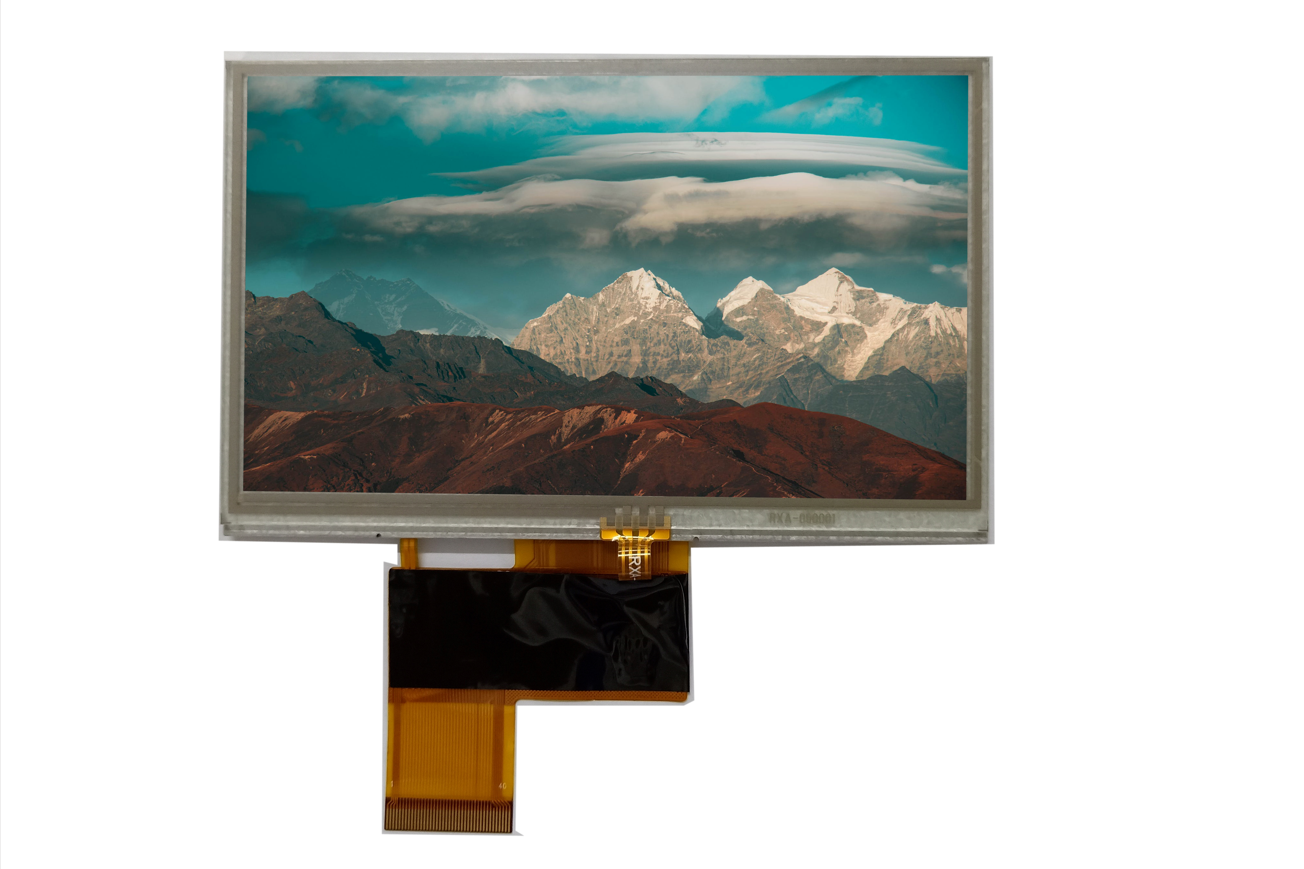
How Can Touch Integration Enhance Vehicle Displays?
PCAP and CTP touch options provide multi-point input stable in extreme conditions. CDTech integrates CTP (I2C, GT928) in 10.1" S101HWX53EP-FC47-AG with OCA, supporting intuitive dashboards resistant to vibration and temperature swings.
What Makes Long-Term Supply Stability Essential?
Automotive projects require 5-10 year supply guarantees. CDTech's 10,000㎡ factory, National High-tech Enterprise status, and exports to Europe/Americas ensure continuity. Custom solutions like 12.3" S123BWU11EP maintain production without disruptions.
Check: 2.4 Inch LCD Display
CDTech Expert Views
"With 13+ years specializing in automotive TFT LCDs, CDTech engineers wide-temperature panels from -30°C to +85°C, like our 3.6" round S036BWS01EN at 1000 nits. Our 3,500㎡ dust-free workshop and in-house OCA bonding, backed by IATF16949, deliver zero-defect modules. We conduct vibration and thermal stress tests mimicking real vehicle conditions, ensuring long-life reliability for dashboards and HMIs. Custom LVDS/RGB interfaces and PCAP touch integration simplify OEM designs while guaranteeing supply stability through our global production scale."
How to Validate a Supplier's Automotive LCD Quality?
Request ISO test data, samples, and factory audits. CDTech's Class 1,000 cleanroom, automated POL/LCD/CTP lines (2024 upgrade), and glass cutting patent (2017) prove quality. Test high-brightness IPS panels like 12.3" S123AWU07ES for real-world performance.
| Feature | Standard LCD | CDTech Automotive Grade |
|---|
| Temp Range | -20°C~+70°C | -30°C~+85°C |
| Brightness | 300-500 nits | 850-1000 nits |
| Certifications | Basic ISO | IATF16949 + Quad ISO |
| Touch/Bonding | Optional | PCAP + OCA Standard |
Conclusion
Selecting automotive grade LCDs demands focus on certifications like IATF16949, wide temperatures (-30°C~+85°C), vibration-proof OCA bonding, high brightness, and supply stability. CDTech excels with proven products like S036BWS01EN and S128HWU01HP-FC01, plus custom solutions from its Shenzhen factory. Contact sales@cdtech-lcd.com or +86 0755-23032202 for tailored reliability.
FAQs
What is IATF 16949 for LCD manufacturers?
IATF 16949 mandates defect prevention and supply stability for automotive parts. CDTech combines it with ISO9001, ISO14001, and ISO13485 for full vehicle display compliance.
Can automotive LCDs handle -30°C to +85°C?
Yes, CDTech panels like 12.3" S123BWU11EP (-30°C~+80°C) use IPS and reinforced materials, passing extreme thermal tests for reliable operation.
Why choose OCA-bonded displays for vehicles?
OCA eliminates air gaps for better vibration resistance, readability (850+ nits), and durability. CDTech integrates it with PCAP in models like S101HWX53EP-FC47-AG.
How does CDTech ensure supply stability?
CDTech's 10,000㎡ facility, zero-defect policy, and global exports support 5-10 year lifecycles with custom automotive LCDs like 10.1" vehicle touch displays.
What brightness is needed for vehicle sunlight readability?
850-1000 nits minimum. CDTech offers 1000 nits in 5.0" S050HWV29ES and 3.6" S036BWS01EN for clear dashboard visibility.

