A complete custom LCD specification sheet requires five essential elements: (1) physical dimensions and resolution, (2) brightness and temperature range, (3) interface and pinout details, (4) optical and touch specifications, and (5) certifications and compliance requirements. This guide walks you through each step with CDTech's RFQ checklist to ensure zero-defect quotes and faster prototyping cycles.
Check: Custom LCD Display
What Information Should You Include in a Custom LCD Spec Sheet?
A custom LCD spec sheet must cover five core domains: mechanical dimensions, electrical interfaces, optical performance, touch integration, and compliance standards. Incomplete specs cause misquotes and delays; CDTech's 13+ years of experience and quad certifications (ISO9001, ISO14001, ISO13485, IATF16949) ensure precision from their 10,000㎡ factory with 3,500㎡ dust-free workshop.
How Do You Define Physical Dimensions and Resolution?
Specify screen size in diagonal inches or mm, aspect ratio, active area in mm², native resolution like 1920×720 or 1280×800, and pixel pitch. Include bezel size, mounting tabs, and tolerances (±0.5mm). For example, CDTech's S101HWX53EP-FC47-AG is a 10.1" 1280×800 vehicle LCD, while S036BWS01EN offers 3.6" 544×506 for wide-temp use.
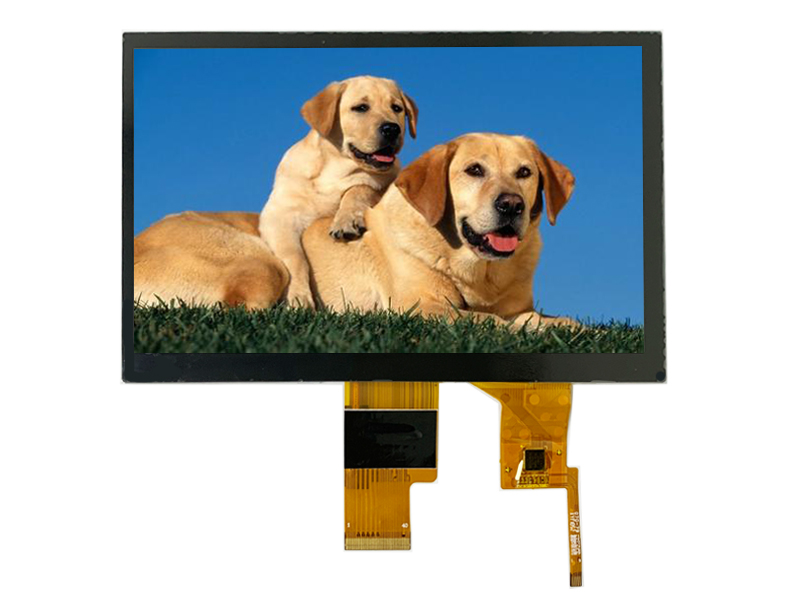
| Screen Size | Common Resolutions | Application Examples |
|---|
| 3.6" | 544×506 | Vehicle (S036BWS01EN, -30°C~+85°C) |
| 10.1" | 1280×800 | Vehicle/Industrial (S101HWX53EP-FC47-AG) |
| 12.3" | 1920×720 | Automotive (S123BWU11EP) |
| 12.1" | 1280×800 | Industrial (S121BWX05EP-FC10) |
Which Brightness, Contrast, and Temperature Specs Matter Most?
Prioritize brightness in nits (850-1000 for sunlight-readable automotive like 1000 nits in S050HWV29ES), contrast ratio, IPS viewing angles, operating temperature (-30°C~+85°C for vehicle displays like S036BWS01EN), storage conditions, and response time. Match to applications: high nits for outdoor, wide temp for automotive per IATF16949 standards.
What Interfaces and Pin Configurations Do You Need?
List interface type (LVDS, RGB, MIPI, MCU), pin count (e.g., LVDS 40pins in S050HWV29ES, RGB 50pins in S070BWS48ED), voltage (3.3V/5V), power consumption, clock frequency, and connector (FPC). Include pinout diagrams. CDTech supports LVDS/RGB for industrial/automotive, MIPI for FHD like S070QWU144NN-1.
| Interface | Pin Count Example | Best For |
|---|
| LVDS | 40pins (S050HWV29ES) | Automotive/Industrial 7"+ |
| RGB | 24bit 54pins (S035HQ55ES) | Smaller displays, MCU |
| MIPI | Portrait FHD (S070QWU144NN-1) | New FHD/Square displays |
How Should You Specify Touch and Optical Bonding Options?
Choose CTP/PCAP (e.g., GT928 I2C in S101HWX53EP-FC47-AG, 5-10 point in S088AWX22EB-DC08), RTP, or none; specify overlay (glass thickness), OCA bonding for air-gap elimination (as in S101HWX53EP-FC47-AG), AG/AF treatments (S123BWU09NP-FC19-AF). CDTech's in-house touch workshop (since 2020) and glass-cutting patent ensure reliable integration.
Which Certifications and Compliance Requirements Apply?
Include IATF16949 for automotive (wide-temp like -30°C~+85°C), ISO13485 for medical, ISO9001/14001 for industrial, RoHS/REACH. Request burn-in, vibration tests. CDTech's quad certifications and zero-defect policy support all, with documented reports for AEC-Q200 temperature cycling.
Check: Touch screen LCD display manufacturer
What Does a Complete RFQ Checklist Look Like?
Use this 12-point checklist: screen size/resolution; brightness nits/color; temp range; interface/pin count; connector details; touch type; OCA/glass specs; certifications; power budget; quantity/lead time; reference part; test criteria. Validates specs for zero-defect prototypes at CDTech.
Screen size and native resolution locked
Brightness (nits) and color gamut specified
Operating/storage temperature range confirmed
Interface type and pin count finalized
Connector footprint and orientation documented
Touch technology (capacitive/resistive/none) selected
Optical bonding (OCA) and glass specs if needed
Certifications (IATF16949/ISO13485/RoHS) listed
Power consumption budget stated
Target quantity and lead time clarified
Reference design or competitor part number provided
Acceptance criteria and test protocols defined
At CDTech, we've engineered over 13 years of custom display solutions across automotive, medical, and industrial sectors. Our RFQ review process emphasizes optical specs and interface clarity—two areas where incomplete specs cause delays. Our quad certifications mean your specs map directly to IATF16949 or ISO13485 compliance. Always include target quantity for batch yield and OCA precision. Contact us for tailored advice.
How Do You Format and Submit Your Specification Sheet to a Supplier?
Use PDF with schematics, CAD, pinouts; leverage supplier templates like CDTech's. Add images, competitor refs, revision history. Email sales@cdtech-lcd.com or call +86 0755-23032202. Expect 1-2 week quotes, 4-8 week prototypes; CDTech's fully automatic equipment (2024) speeds complex orders.
Conclusion
A complete custom LCD specification sheet covering dimensions, optical specs, interfaces, touch/OCA, and certifications prevents delays and ensures precision. CDTech's 13+ years, 10,000㎡ facility, in-house OCA, and quad certifications (ISO9001, ISO14001, ISO13485, IATF16949) deliver zero-defect solutions. Use the 12-point checklist and submit to sales@cdtech-lcd.com for a 48-hour quote with DFM feedback. Ready to start? Download CDTech's RFQ template today.
FAQs
What's the most common mistake in custom LCD specs?
Vague brightness, temperature, or interface specs lead to mismatches. State exact nits (e.g., 1000 like S035HQ55ES), °C range (-30°C~+85°C), and type (LVDS 40pins). CDTech's checklist avoids this.
Do I need OCA optical bonding, and how does it affect my spec?
OCA bonds glass to LCD for glare reduction, vital for automotive (S101HWX53EP-FC47-AG). Adds 10-15% cost, 1 week lead time; CDTech's in-house capability ensures quality for high-reliability apps.
How long does a custom LCD prototype typically take?
4-6 weeks industrial; 6-8 weeks automotive IATF16949; 8-10 weeks medical ISO13485. CDTech's dust-free workshop accelerates; contact sales for expedited quotes.
Should I specify LVDS or MIPI for my embedded display?
LVDS for industrial/automotive up to 1920×720 (S123BWU11EP); MIPI for FHD/portrait (S070QWU144NN-1). CDTech recommends based on resolution/cost in RFQ.
What documents do I need for FDA/medical compliance?
ISO13485 DHF, ISO 10993 biocompatibility, ISO 14971 risk analysis. CDTech's certification guides compliance; list in RFQ to avoid revisions.
Requirements and Prototype Development


