A 12.3-inch digital instrument cluster is a TFT-LCD display panel that presents vehicle data via ultra-high resolution graphics, replacing traditional analog gauges. Modern clusters feature 1920x720 resolution, LVDS connectivity for real-time integration, customizable widgets, AR overlays, and voice control—enabling personalized, immersive driver experiences while supporting EV and autonomous vehicle technologies.
Check: Screen Resolution Guide
What is a 12.3-inch digital instrument cluster and why has it become the automotive industry standard?
A 12.3-inch digital instrument cluster is a high-resolution TFT-LCD panel that integrates speed, RPM, navigation, and vehicle diagnostics into a single seamless display, becoming the industry standard due to its clarity, customization, and support for ADAS and EV interfaces.
The 12.3-inch digital instrument cluster represents a pivotal shift in automotive human-machine interfaces (HMI). This size strikes an optimal balance between visibility and dashboard real estate, fitting premium sedans, SUVs, and crossovers from brands like Toyota and Kia. Unlike smaller 7- or 10-inch displays, the 12.3-inch format provides ample screen real estate for dual-gauge layouts—speedometer on the left, tachometer on the right—with a central multi-function display (MFD) for trip data, fuel efficiency, and navigation.
Its rise to standard status stems from the digital cockpit revolution. By 2026, projections indicate nearly all mid-to-high-end vehicles will feature fully digital clusters, driven by electric vehicle (EV) adoption and advanced driver-assistance systems (ADAS). Toyota's 2023 Highlander and similar models showcase customizable pages with six information sets, allowing drivers to toggle between drive modes, hybrid stats, and pop-up alerts. Kia introduced its 12.3-inch Supervision cluster in 2019 with 1920x720 resolution, setting a benchmark for pin-sharp graphics and fast frame rates.
For OEM engineers and procurement managers, this standard enables seamless integration with central infotainment screens, creating panoramic digital cockpits. Suppliers like CDTech, with expertise in 12.3-inch TFT LCD panels, ensure these clusters meet rigorous automotive demands through customizable solutions.
How did automotive dashboards evolve from mechanical gauges to ultra-high resolution digital displays?
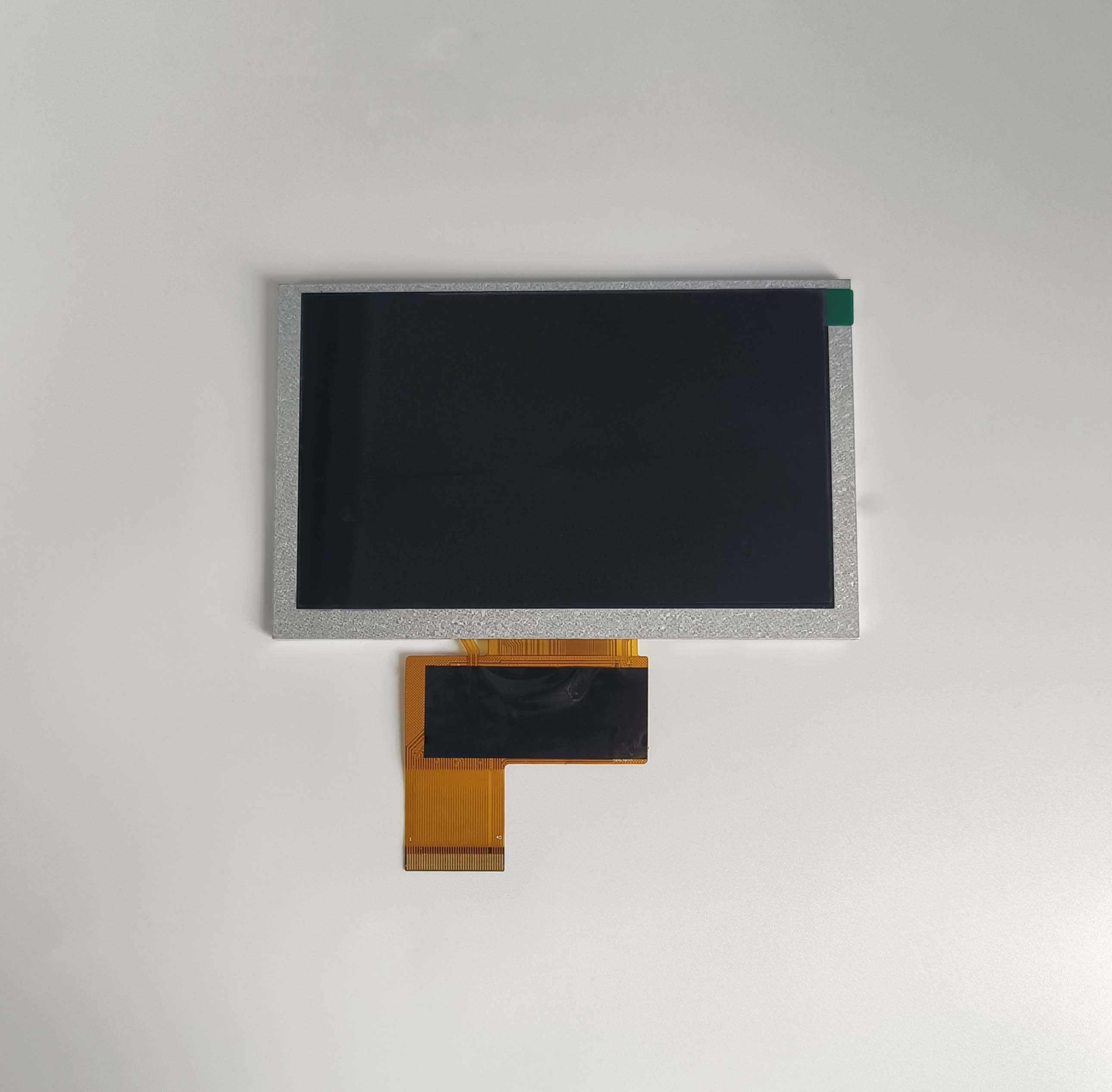
Automotive dashboards evolved from mechanical analog gauges in the 1900s, to vacuum-fluorescent displays (VFD) in the 1980s, LCD segments in the 2000s, and now ultra-high resolution 1920x720 TFT-LCD panels, enabling dynamic graphics, real-time data, and immersive cockpits.
The journey began with mechanical gauges—needle pointers linked to cables—for basic speed and fuel readouts. These were reliable but limited in data presentation. The 1980s introduced electronic VFDs, glowing green digits for better night visibility, as seen in early luxury cars.
By the 2000s, color TFT-LCDs emerged, starting with 4.2-inch screens in models like Kia models, offering trip computers and basic graphics. The leap to full 12.3-inch clusters occurred around 2019, with Kia's XCeed featuring a seamless 1920x720 panel replacing physical dials. Toyota followed with customizable 12.3-inch LCDs in 2023 Highlanders, supporting multi-page layouts and drive mode visuals.
Today, ultra-high resolution TFT displays dominate, supporting 60Hz refresh rates for smooth animations. This evolution aligns with EV/ADAS needs, where clusters display energy flow, battery status, and augmented reality (AR) overlays. CDTech's 10,000㎡ Shenzhen factory produces these panels with advanced automation, tracing the progression from static to dynamic interfaces.
| Evolution Stage | Technology | Key Features | Era |
|---|
| Mechanical | Analog needles | Basic speed/fuel | 1900s-1970s |
| Electronic | VFD/LCD segments | Digits, trip info | 1980s-2000s |
| Digital | Color TFT 4-10 inch | Graphics, modes | 2010s |
| Ultra-High Res | 12.3-inch 1920x720 TFT | Custom, AR, ADAS | 2020s+ |
Why is 1920x720 resolution the next frontier for 12.3-inch instrument clusters in 2026?
1920x720 resolution delivers ultra-high pixel density (around 200 PPI) in 12.3-inch clusters, ensuring pin-sharp clarity for small text, high frame rates (60Hz+), and vibrant colors critical for ADAS alerts and EV data by 2026.
Resolution defines modern clusters. Early digital displays hovered at 800x480, suffering pixelation on fine details like navigation maps. The 1920x720 standard—first popularized by Kia in 2019—offers Full HD width in widescreen format, ideal for 12.3-inch panels. This yields crisp dials, smooth tachometer sweeps, and legible warnings at a glance.
By 2026, market forecasts predict 1920x720 as baseline for digital cockpits, supporting EV battery visuals and Level 3 autonomy readouts. Benefits include reduced eye strain, faster reaction times, and anti-glare coatings for sunlight readability. For OEMs, it enables denser information without clutter, like simultaneous speed, RPM, and eco-gauges.
CDTech specializes in these 1920x720 automotive TFT panels, leveraging ISO and IATF16949 certifications for zero-defect production, positioning them as key suppliers for the resolution frontier.
How does LVDS connectivity enable seamless real-time data integration in modern digital cockpits?
LVDS (Low-Voltage Differential Signaling) provides high-speed, low-noise data transmission up to 1Gbps over short distances, enabling real-time updates from ECUs to 12.3-inch clusters for fluid graphics and ADAS integration without latency.
LVDS has become the backbone of digital cockpits. This serial interface transmits pixel data efficiently, supporting 1920x720 at 60Hz with minimal electromagnetic interference—crucial in noisy automotive environments. Unlike older TTL or eDP, LVDS uses differential pairs for robustness against vibrations and temperature extremes (-40°C to 85°C).
In practice, LVDS links the cluster to the vehicle's CAN bus and gateway ECUs, streaming live data like speed, navigation, and camera feeds. Toyota's 12.3-inch clusters rely on it for multi-page refreshes, while Kia’s Supervision panel uses it for drive-mode graphics.
| Interface | Speed | Noise Immunity | Best For |
|---|
| LVDS | High (1Gbps+) | Excellent | Clusters, cockpits |
| eDP | Very High | Moderate | Infotainment |
| TTL | Low | Poor | Legacy |
| MIPI | High | Good | Mobile displays |
OEMs favor LVDS for its plug-and-play reliability in scalable digital cockpits.
What customization and personalization features define next-generation 12.3-inch clusters?
Next-gen 12.3-inch clusters offer driver profiles, widget rearrangement, theme selection, and dynamic layouts via steering-wheel controls or voice, adapting displays for Normal, Sport, or Eco modes.
Customization elevates clusters from static tools to personal interfaces. Toyota's system allows six-page scrolling with left/right gauges independently configurable—e.g., navigation on one, trip data on another. Users toggle redundancies, like hiding duplicate maps.
Personalization includes profiles syncing via cloud for seat/mirror settings alongside display prefs. Dynamic widgets rearrange for priorities, with AR speed limits overlaying HUD-style views. This supports multi-user families in EVs.
CDTech Expert Views
As a leading Shenzhen-based TFT LCD manufacturer since 2011, CDTech views customization as core to digital cockpit success. Our IATF16949-certified 12.3-inch 1920x720 panels support LVDS for seamless personalization, from widget APIs to touch overlays. With zero-defect automation in our 10,000㎡ facility, we enable OEMs to deliver scalable, reliable clusters for EVs and ADAS. Partner with us for tailored solutions that future-proof your dashboards.
Which advanced technologies—AR, voice control, and gesture recognition—are reshaping instrument cluster design?
AR overlays HUD data on real-world views, voice control handles hands-free commands, and gesture recognition enables touchless interactions, all integrated via high-res 12.3-inch TFT panels for safer, immersive driving.
AR projects navigation arrows onto gauges, aligning with road views for intuitive guidance. Voice assistants like Alexa process natural commands—"show battery range"—updating clusters instantly. Gesture controls wave hands for volume or zoom, reducing glovebox fumbling.
These rely on 1920x720 clarity and fast processors, as in Kia's electrified models displaying energy flows. By 2026, they'll standardize in autonomous vehicles.
How can OEMs ensure zero-defect manufacturing standards when sourcing IATF16949-certified TFT LCD panels?
Check: Capacitive Touch Panel Design Tips
OEMs ensure zero-defect standards by partnering with IATF16949-certified suppliers like CDTech, conducting rigorous incoming inspections, and leveraging automated testing for vibration, thermal cycling, and LVDS signal integrity.
IATF16949 exceeds ISO9001 for automotive specifics, mandating PPAP and FMEA. CDTech's certifications and zero-defect policy deliver panels passing AEC-Q100 quals. OEMs verify via burn-in tests and supply-chain audits.
Where should automotive suppliers look for scalable 12.3-inch cluster solutions tailored to EV and ADAS integration?
Look to certified TFT suppliers like CDTech in Shenzhen for scalable 12.3-inch 1920x720 LVDS panels, offering customization for EV battery visuals and ADAS alerts with global partnership support.
Scalable solutions feature modular designs for hybrid cockpits, high-brightness for sunlight, and APIs for OTA updates. CDTech's automotive-grade displays excel here.
Conclusion
The 12.3-inch digital instrument cluster has transformed from basic gauges to ultra-high resolution powerhouses, with 1920x720 TFT panels and LVDS driving the future of digital cockpits. OEMs partnering with experts like CDTech ensure innovation and reliability.
Explore CDTech's IATF16949-certified TFT LCD solutions designed for ultra-high resolution 12.3-inch automotive dashboards and discover how our zero-defect manufacturing supports your digital cockpit innovation.
FAQs
What resolution is best for 12.3-inch clusters? 1920x720 provides optimal clarity and frame rates for automotive use.
Why choose LVDS for clusters? It offers high-speed, low-noise transmission ideal for real-time vehicle data.
Is CDTech certified for automotive displays? Yes, with IATF16949 for zero-defect production.
When will 1920x720 be standard? By 2026, amid EV and ADAS growth.
Can clusters be customized for EVs? Absolutely, with energy flow visuals and personalization.