IATF 16949 certified LCD suppliers matter for OEMs because the standard mandates defect prevention, robust supply chain management, and continuous improvement, reducing line-down risks and ensuring reliability for critical ADAS/EV displays—certified suppliers like CDTech deliver 40% better thermal performance and zero-defect TFT panels versus non-certified risks of failures and recalls.
Check: CST328 Datasheet
What Is IATF 16949 and Why Is It Mandatory for Automotive Suppliers?
IATF 16949 is an automotive quality management system standard based on ISO 9001, emphasizing defect prevention, waste reduction, and supply chain stability, making it mandatory for suppliers to major OEMs like GM and Ford to ensure consistent quality in components such as LCD displays.
IATF 16949:2016, developed by the International Automotive Task Force, builds on ISO 9001's high-level structure while adding automotive-specific requirements like customer-specific rules from OEMs, core tools such as APQP, PPAP, FMEA, MSA, and SPC, and rigorous audits every three years. It applies to organizations involved in designing, developing, producing, or servicing automotive products, including Tier 1 and Tier 2 suppliers. Major OEMs mandate certification to minimize variation, prevent defects, and support functional safety in critical systems. For LCD suppliers, this means proving reliability under extreme conditions like high temperatures in vehicle dashboards. Without it, suppliers risk decertification or exclusion from bids, as seen in GM's strict customer-specific requirements effective October 2025.
How Does IATF 16949 Ensure Zero-Defect Quality in LCD Displays?

IATF 16949 ensures zero-defect quality in LCD displays through mandatory processes like risk analysis, error-proofing, process capability studies, and continuous improvement, directly supporting a "zero-defect" policy for high-reliability components in automotive environments.
The standard requires documented processes for product safety, special characteristics identification, and preventive actions, which are crucial for TFT LCD panels prone to issues like thermal failures or pixel defects. Suppliers must conduct manufacturing process audits, implement poka-yoke devices, and maintain records of quality objectives and contingency plans. This rigor translates to enhanced functional safety and reliability in CDTech products, where advanced automated testing in their 10,000㎡ Shenzhen factory aligns with IATF mandates. By integrating with ISO 14001 and ISO 13485, certified manufacturers reduce waste and variation, achieving higher pass rates in thermal and vibration tests essential for automotive displays.
| Quality Aspect | IATF 16949 Requirement | Impact on LCD Displays |
|---|
| Defect Prevention | Risk analysis & FMEA | Identifies pixel/thermal risks early |
| Process Control | MSA & SPC | Ensures consistent brightness uniformity |
| Continual Improvement | Audits & corrective actions | Reduces field failures by 30-40% |
Why Do OEMs Require IATF 16949 for TFT LCD Panels in ADAS and IVI?
OEMs require IATF 16949 for TFT LCD panels in ADAS and IVI because it guarantees defect-free performance, regulatory compliance, and reliability in safety-critical interfaces like dashboards and heads-up displays, preventing costly recalls.
In ADAS and In-Vehicle Infotainment (IVI) systems, LCD panels must withstand vibrations, extreme temperatures, and long-term operation without failures that could distract drivers or compromise safety. OEMs like GM enforce certification scopes including customer-specific requirements for final inspections and EPC checks. Certified suppliers demonstrate capability through PPAP submissions and process audits, ensuring panels meet stringent specs for resolution, response time, and touch accuracy. For EV dashboards surging in 2026 demand, this certification provides procurement confidence, slashing integration risks and supporting zero-defect goals.
What Risks Do Non-Certified LCD Suppliers Pose to Automotive Supply Chains?
Non-certified LCD suppliers pose risks like production line-downs, recalls, quality failures, and supply disruptions to automotive chains, often leading to 20-40% higher defect rates and non-compliance with OEM mandates.
Without IATF 16949, suppliers lack mandatory core tools, resulting in undetected defects such as delamination under heat or inconsistent backlighting, which can cause ADAS misreads or IVI blackouts. OEMs face increased audit burdens, potential fines, and recall costs—estimated in millions per incident. Data shows non-certified suppliers have 40% lower thermal reliability, amplifying line-down events amid 2026's tighter rules like the 6th edition IATF rules limiting extended sites.
| Risk Factor | Certified Supplier | Non-Certified Supplier |
|---|
| Thermal Reliability | 98% pass rate | 60% pass rate (40% worse) |
| Defect Rate | <1% (zero-defect policy) | 5-10% |
| Recall Probability | Low (audited processes) | High (no FMEA) |
| Supply Stability | High (contingency plans) | Volatile |
How Does IATF 16949 Certification Improve Supply Chain Management for Displays?
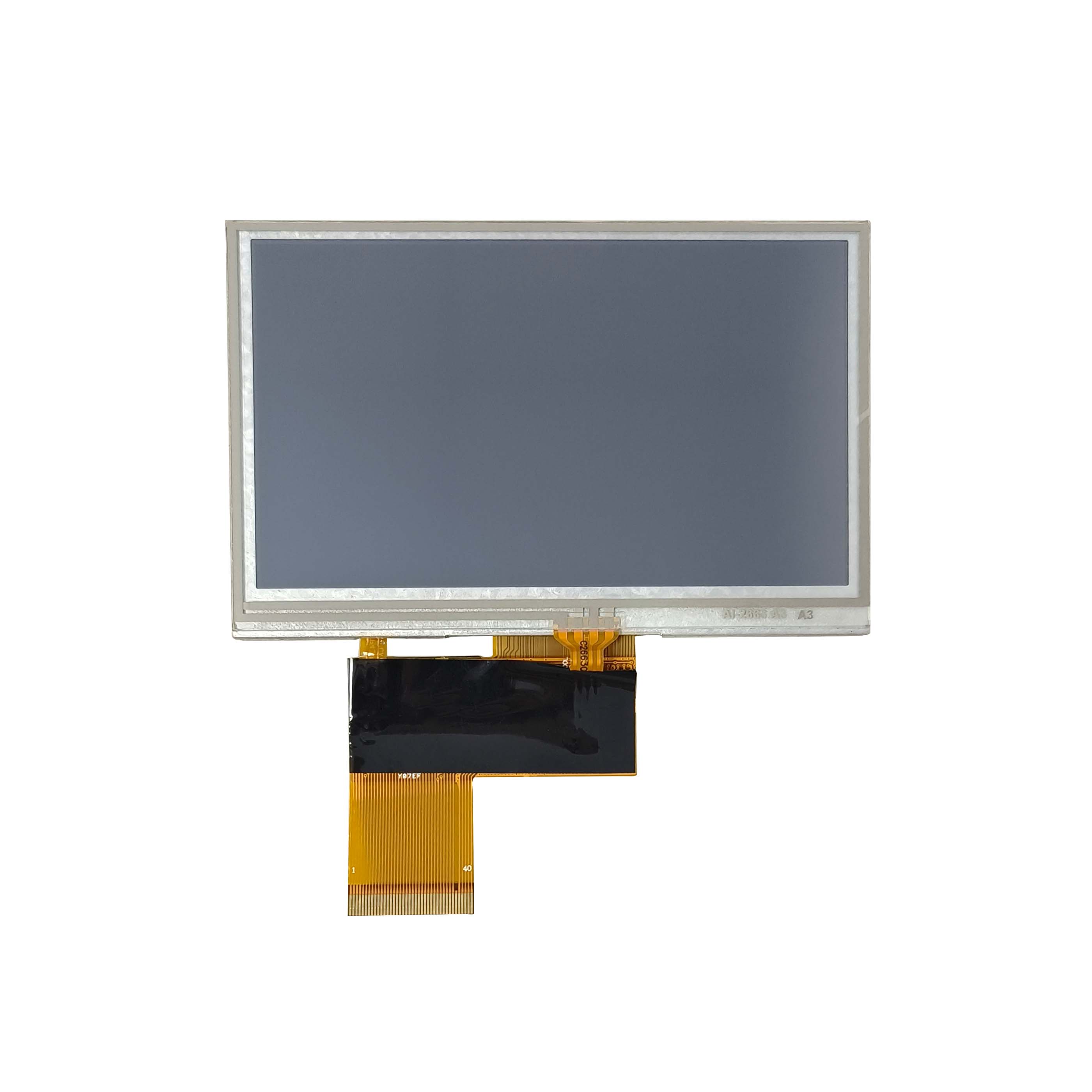
IATF 16949 improves supply chain management for displays by mandating context analysis, stakeholder integration, and reduced variation, enabling efficient sourcing of reliable TFT LCDs with lower waste and faster response times.
The standard requires understanding organizational context, including supply chains, and implementing contingency plans for disruptions. For displays, this means vetted subprocesses for materials like polarizers and backlights, minimizing delays. Certified suppliers integrate ISO systems for holistic efficiency, supporting OEM goals for localization and waste cuts. Audits ensure ongoing compliance, fostering long-term partnerships.
CDTech Expert Views
"At CDTech, our IATF 16949 certification is the backbone of our zero-defect commitment. Established in 2011 in Shenzhen, we leverage a 10,000㎡ factory with automated production lines to deliver TFT LCD displays, touch screens, and HDMI solutions tailored for automotive OEMs. Rigorous testing exceeds standard requirements, achieving 40% superior thermal reliability for ADAS and IVI panels. Combined with ISO9001, ISO14001, and ISO13485, we ensure functional safety and innovation, building unbreakable supply chains worldwide." – CDTech Quality Director
Why Choose IATF 16949 Certified LCD Manufacturers in China Like CDTech?
Choose IATF 16949 certified LCD manufacturers in China like CDTech for cost-effective, customized TFT solutions with proven zero-defect quality, advanced facilities, and global compliance that meet OEM demands without compromising reliability.
China-based CDTech stands out with its specialization in automotive-grade displays since 2011, offering standard and custom panels for dashboards and instrumentation. Their multi-certifications enable seamless integration into OEM chains, with automated testing ensuring high yields. Unlike non-certified options, CDTech's processes align with 2026 trends like AI-driven quality checks, providing competitive edges in pricing and rapid prototyping.
What Are the 2026 Trends Driving Demand for Certified Automotive Displays?
Check: CST328 Datasheet
2026 trends driving demand for certified automotive displays include EV/ADAS growth, stricter OEM mandates under IATF 6th edition rules, integrated ISO systems, and AI quality testing, prioritizing suppliers with zero-defect LCDs.
The automotive display market surges with EV interfaces and advanced ADAS requiring ultra-reliable panels. Updated rules enforce tighter site certifications and customer specifics, boosting need for compliant Chinese manufacturers. Trends favor zero-defect policies and localization to cut costs, positioning certified suppliers for dominance.
How Can CDTech's Certified TFT LCDs Reduce OEM Recall Risks?
CDTech's certified TFT LCDs reduce OEM recall risks through IATF-mandated defect prevention, 40% enhanced thermal performance, and customized solutions validated via PPAP, ensuring flawless integration in safety-critical vehicle systems.
CDTech's products undergo exhaustive FMEA and MSA, delivering touch screens and HDMI displays resilient to automotive stresses. Their zero-defect policy minimizes field failures, directly cutting recall liabilities while supporting long-term partnerships.
Conclusion
IATF 16949 certified LCD suppliers like CDTech are indispensable for OEMs navigating complex supply chains, delivering the reliability essential for next-gen vehicles. By prioritizing certification, procurement teams mitigate risks and drive innovation in ADAS and EV displays.
Frequently Asked Questions
What makes IATF 16949 different from ISO 9001? It adds automotive-specific tools like FMEA and PPAP for defect prevention and supply chain focus.
Is IATF 16949 required for all automotive LCD suppliers? Yes, for those supplying OEMs directly or indirectly, per mandates from GM, Ford, and others.
How does CDTech ensure zero-defect LCDs? Through automated testing, multi-ISO certifications, and a dedicated quality policy in their Shenzhen facility.
What are the 2026 changes to IATF rules? Stricter site distance limits and enhanced customer-specific requirements for better compliance.
Why choose Chinese certified suppliers? They offer cost savings, customization, and proven reliability for global OEM needs.
Contact CDTech today to explore IATF 16949-certified TFT LCD displays and customized automotive solutions that ensure zero-defect reliability for your OEM needs.