News
Site Editor
 Site
https://cdtech-lcd.usa72.wondercdn.com/uploads/image/5faca15e24cff.png
Site
https://cdtech-lcd.usa72.wondercdn.com/uploads/image/5faca15e24cff.png
How Does 6mm+ Cover Glass Maintain Touch Sensitivity in Vandal-Resistant PCAP Displays?
Views: 1084
Author: Site Editor
Publish Time: 2026-04-14
Origin: Site
To maintain touch sensitivity with 6mm+ thick cover glass in PCAP displays: (1) Select high-sensitivity controller ICs (e.g., GT928); (2) tune capacitive sensor parameters for glass-induced signal attenuation; (3) apply OCA optical bonding to eliminate air gaps; (4) validate 5–10pt multi-touch performance; (5) test across automotive temperature ranges (−30°C to +85°C). CDTech's in-house OCA workshop and IATF16949 certification ensure sensor integrity without sacrificing responsiveness.
Check: Which Is Better for Industrial Touch Screens: Capacitive or Resistive?
What Is PCAP Technology, and Why Does Thick Glass Challenge It?
Projected capacitive (PCAP) technology detects touch through changes in capacitive coupling between sensor layers, enabling multi-touch gestures. Thick glass (3mm to 6mm+) challenges it by attenuating the electric field signal, reducing sensitivity. Unlike resistive touch, PCAP excels in multi-touch for industrial and automotive uses. CDTech's 13+ years in PCAP design address these issues for impact-prone environments.
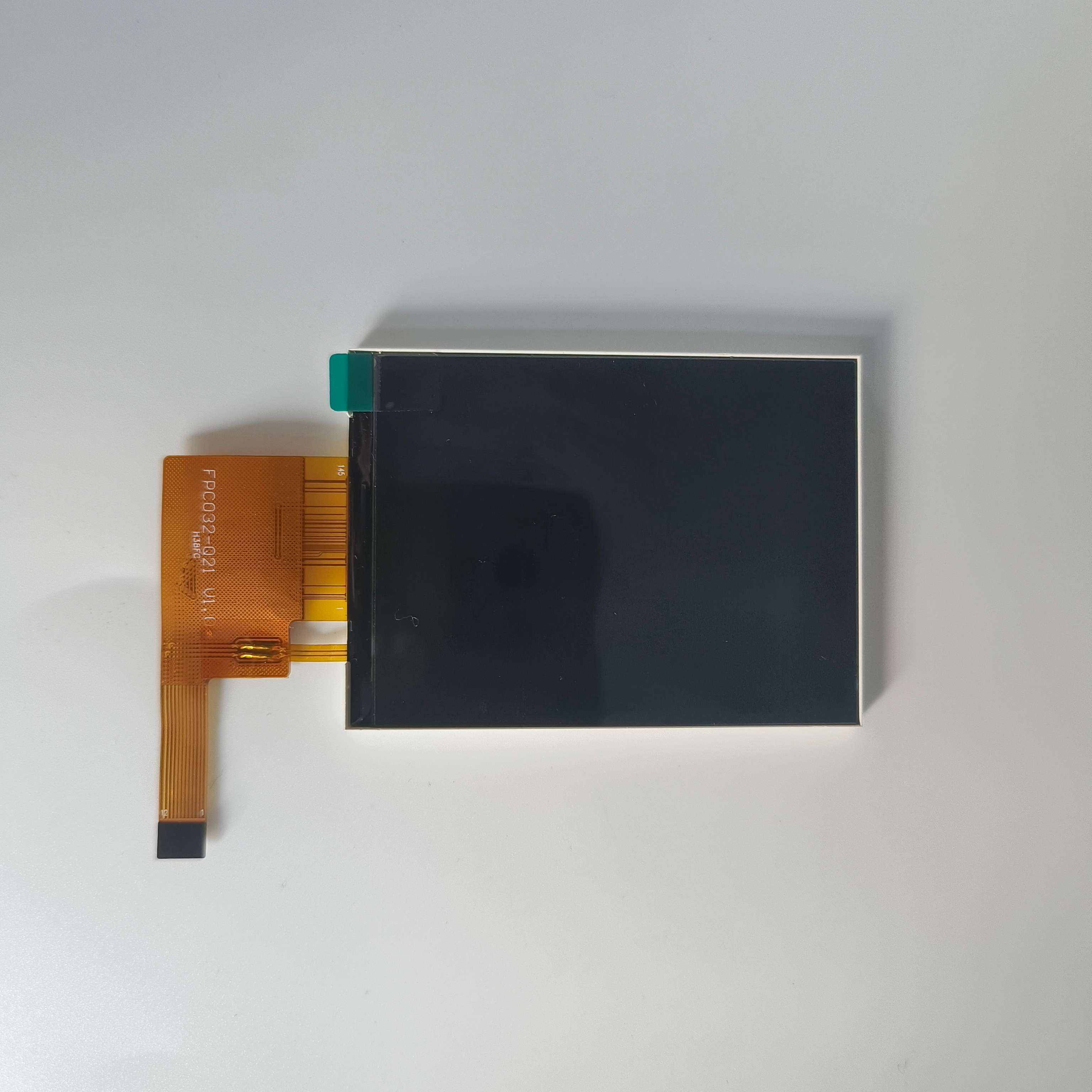
How Does OCA Optical Bonding Preserve Touch Signal Integrity?
OCA (optically clear adhesive) bonds the touch panel directly to the cover glass, eliminating air gaps that disrupt capacitive fields. This maintains a consistent dielectric environment, preserving signal strength. CDTech's 3,500㎡ thousand-level dust-free workshop enables precise in-house OCA bonding for reliable performance.
| Bonding Method | Signal Retention | Thickness Tolerance |
|---|
| Air-Gap | Lower (discontinuities) | ±0.2mm |
| OCA Bonding | Higher (uniform field) | ±0.1mm |
Which Controller ICs and Sensor Tuning Methods Optimize 6mm+ Thick Glass?
High-sensitivity ICs like GT928 handle thick glass by amplifying weak signals. Tuning involves adjusting scan frequency, gain, and baseline calibration for uniform response. CDTech's in-house touch workshop (since 2020) customizes PCAP for OEMs, ensuring 5–10 point multi-touch across surfaces like the S101HWX53EP-FC47-AG 10.1" vehicle display with GT928 CTP.
Why Is Temperature Stability Critical for Vandal-Resistant Industrial Displays?
Temperature changes cause capacitance drift in thick-glass PCAP, affecting accuracy. Automotive ranges (−30°C to +85°C) demand compensation via firmware tuning. CDTech's IATF16949 certification and zero-defect policy validate stability in products like the S036BWS01EN 3.6" round vehicle LCD, ensuring reliable operation in extremes.
What Are Real-World Applications of 6mm+ PCAP in Vandal-Prone Environments?
6mm+ PCAP suits automotive dashboards (e.g., S123BWU11EP 12.3" vehicle LCD), industrial kiosks, medical monitors (ISO13485 compliant), and smart home panels. CDTech deploys these in high-impact zones, like the S101HWX53EP-FC47-AG with OCA for vehicle HMIs, balancing durability and touch response.
Check: Industrial LCD
How Do You Balance Thick Glass Protection with Multi-Touch Performance and User Experience?
Balance via selective thickening in impact zones while keeping central areas standard, paired with OCA and AF/AG coatings. Target<50ms latency and accurate gestures. CDTech iterates prototypes for optimal UX, as in S123BWU09NP-FC19-AF 12.3" BAR LCD with PCAP, OCA, and AF treatment.
| Design Approach | Durability Rating | Touch Sensitivity Impact |
|---|
| Uniform Thick Glass | High | Moderate Reduction |
| Hybrid (Edges Thick) | High | Minimal Reduction |
| OCA + Thick Glass | Very High | Optimized |
What Certifications and Quality Standards Ensure Reliable 6mm+ PCAP Vandal-Resistant Displays?
ISO9001, ISO14001, ISO13485, and IATF16949 ensure process control and reliability. CDTech's zero-defect policy includes rigorous testing in its upgraded 2024 POL/LCD/CTP lines, supporting durable PCAP in automotive and medical applications.
How Do You Specify and Source Custom 6mm+ PCAP Solutions from OEM/ODM Manufacturers?
Specify ICs like GT928, OCA bonding, temperature ranges, and coatings. Ask about in-house capabilities and certifications. CDTech offers 24-hour responses, custom designs, and quick samples from its Shenzhen facility for vandal-resistant solutions.
CDTech Expert Views
"Integrating 6mm+ cover glass with PCAP requires precise controller tuning and OCA bonding to counter signal loss. Our team leverages the in-house touch workshop and glass cutting patent for custom solutions. For automotive like S128HWU01HP-FC01 with PCAP/optical bonding, we validate across −30°C to +85°C, ensuring multi-touch reliability in vandal-prone zones." – CDTech R&D Lead, 10+ years in TFT LCD.
Conclusion
Achieving touch sensitivity with 6mm+ cover glass in PCAP displays demands advanced ICs, OCA bonding, and rigorous testing. CDTech's certifications, in-house capabilities, and proven products like vehicle and industrial LCDs deliver vandal-resistant solutions without compromising performance. Contact CDTech for tailored specs via sales@cdtech-lcd.com or +86 0755-23032202.
FAQs
What is the maximum glass thickness before PCAP touch becomes unusable?
Typical PCAP systems operate reliably up to 6–8mm thick glass; beyond 10mm, advanced ICs and tuning are essential. CDTech advises on extreme designs via custom specs.
Does OCA bonding affect the optical clarity or anti-glare properties of thick glass?
High-quality OCA ensures >98% light transmission and works with AF/AG coatings. CDTech's dust-free workshop delivers haze-free results.
How long does it take to prototype and validate a custom 6mm PCAP display?
Prototyping takes 3–4 weeks, including bonding, calibration, and testing. CDTech's facilities accelerate timelines for partners.
Are there automotive-grade alternatives to thick cover glass for vandal resistance?
Tempered thick glass with OCA is optimal for IATF16949 HMIs. CDTech specializes in this for superior durability.
What is the typical cost premium for 6mm+ PCAP with OCA bonding vs. standard thin-glass designs?
Expect 15–30% increase due to thicker substrates and processing. CDTech optimizes for value in custom orders.
Optical Bonding, Cover Glass and Protective Layers