News
Site Editor
 Site
https://cdtech-lcd.usa72.wondercdn.com/uploads/image/5faca15e24cff.png
Site
https://cdtech-lcd.usa72.wondercdn.com/uploads/image/5faca15e24cff.png
How Can Energy-Efficient LCDs Reduce Solar EV Charger Costs?
Views: 838
Author: Site Editor
Publish Time: 2026-04-13
Origin: Site
Energy-efficient LCDs reduce solar EV charger costs by optimizing backlight power draw via dimming techniques, using OCA optical bonding to minimize reflection losses, and supporting wide-temperature operation from -30°C to +85°C that cuts battery backup needs. CDTech's automotive-grade TFT LCDs, with IATF16949 certification and zero-defect policy, enable smaller solar arrays and faster ROI for off-grid stations.
Check: What Makes the Best LCD for EV Charging Stations?
What Are Energy-Efficient LCD Displays?
Energy-efficient LCD displays are TFT modules engineered for low power use through advanced backlight control, optimized interfaces like LVDS and MIPI, and bonding methods such as OCA optical bonding offered in-house by CDTech. These features lower mA consumption at reduced brightness levels while maintaining sunlight readability, making them perfect for power-constrained solar EV chargers.
| Brightness Level | Standard LCD Power (mA) | CDTech Optimized LCD (mA) | Savings (%) |
|---|
| 50% Brightness | 400 | 280 | 30 |
| 75% Brightness | 600 | 420 | 30 |
| 100% Brightness | 800 | 560 | 30 |
CDTech's designs, like the 10.1" S101HWX53EP-FC47-AG with 850 nits and OCA bonding, exemplify this efficiency for outdoor HMIs.
Why Do Solar EV Chargers Need Low-Power Displays?
Solar EV chargers require low-power displays because backlight power often accounts for 20-30% of total system draw, demanding oversized solar panels or large batteries otherwise. CDTech's 13+ years in industrial and automotive TFT LCDs deliver proven solutions that shrink these components, lowering levelized cost of energy (LCOE) and accelerating ROI for remote stations.
How Does Backlight Optimization Cut Power Draw?
Backlight optimization cuts power draw using PWM dimming, efficient LED curves, and adaptive brightness that reduce consumption in low-light conditions by 30-40%. CDTech integrates these in custom TFT LCDs for outdoor EV applications, supporting high brightness up to 1000 nits like in the 5.0" S050HWV29ES vehicle display without excess power use.
Check: Vehicle LCD Display
CDTech Expert Views
"At CDTech, our zero-defect engineering leverages a 10,000㎡ factory and fully automatic POL/LCD/CTP equipment upgraded in 2024 to ensure backlight reliability. With in-house OCA bonding and wide-temperature IPS panels from -30°C to +85°C, we optimize power for solar EV chargers, reducing draw while maintaining 850-1000 nits visibility. Our glass cutting patent since 2017 enables precise custom designs that fit tight power budgets, backed by IATF16949 for automotive durability." – CDTech R&D Team
What Role Does OCA Optical Bonding Play in Solar Efficiency?
OCA optical bonding eliminates air gaps between touch panels and LCDs, boosting sunlight readability and reducing backlight power needs by 15-25% through minimized reflections. CDTech's in-house OCA capability, as in the 10.1" S101HWX53EP-FC47-AG vehicle TFT with CTP touch, enhances durability for harsh outdoor EV charger environments while optimizing solar power use.
How Do Wide-Temperature LCDs Support Off-Grid Reliability?
Wide-temperature LCDs from -30°C to +85°C support off-grid reliability by preventing thermal stress, cold-start issues, and excess battery drain in variable climates. CDTech's ISO9001, ISO14001, ISO13485, and IATF16949 certifications guarantee long-life performance, as seen in products like the 3.6" S036BWS01EN round vehicle LCD, minimizing downtime for solar EV stations.
Why Choose Custom LCDs for Solar Power Budgets?
Custom LCDs are chosen for solar power budgets to balance size, resolution, and interfaces like MIPI or LVDS, potentially cutting power by 40% when selecting 7" over 10.1" displays. CDTech's OEM/ODM process, from NRE prototyping in their Shenzhen facility to mass production, includes touch integration and OCA for tailored EV charger HMIs.
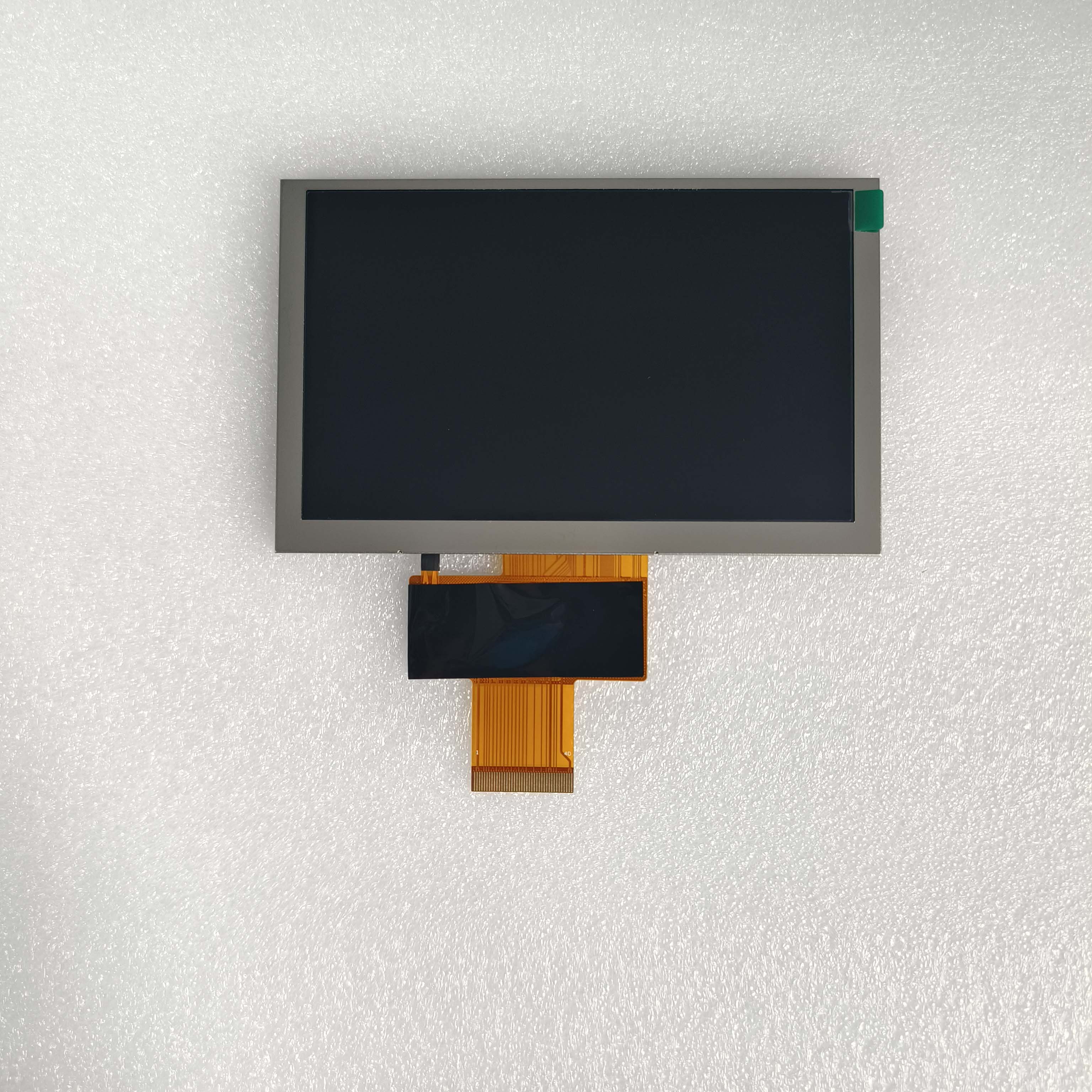
| Display Model | Size | Resolution | Interface | Power Impact (Est. Savings) |
|---|
| S070BWS48ED | 7.0" | 1024×600 | RGB | Medium (Baseline) |
| S101HWX53EP-FC47-AG | 10.1" | 1280×800 | LVDS | High (20% more draw) |
| S050HWV29ES | 5.0" | 800×480 | LVDS | Low (40% savings vs 10.1") |
How Does CDTech Ensure Automotive-Grade Quality for EV Infrastructure?
CDTech ensures automotive-grade quality through 13+ years of TFT experience, National High-tech Enterprise status since 2015, and a 3,500㎡ thousand-level dust-free workshop for custom low-power displays. Their zero-defect policy and global exports to automotive markets position them as a reliable partner for solar EV infrastructure.
Conclusion
CDTech's energy-efficient TFT LCDs with backlight optimization, OCA optical bonding, and wide-temperature ranges reduce solar EV charger costs by 25-40% via lower power consumption and enhanced reliability. From vehicle-grade panels like the 12.3" S123BWU11EP to custom solutions, these displays downsize solar arrays and boost off-grid ROI. Explore industrial LCD solutions or custom OEM design services. Contact sales@cdtech-lcd.com or +86 0755-23032202 for specs and power calculators.
FAQs
What is the typical power draw of CDTech's energy-efficient LCDs for EV chargers?
CDTech TFT LCDs feature high-brightness backlights up to 1000 nits optimized for lower draw at partial levels, as in industrial and automotive lineups like S035HQ55ES, suiting solar budgets through dimming and efficient IPS tech.
Can CDTech customize displays for solar-powered stations?
Yes, CDTech offers full OEM/ODM customization with OCA bonding, wide-temp ranges up to -30°C~+85°C, and interfaces like LVDS/RGB/MIPI, from prototype to production in their 10,000㎡ facility.
How do certifications like IATF16949 benefit solar EV projects?
IATF16949 ensures zero-defect reliability and automotive durability, vital for long-term off-grid deployments in harsh conditions, complemented by CDTech's ISO9001, ISO14001, and ISO13485 standards.
What savings can OCA bonding provide in outdoor sunlight?
OCA bonding minimizes reflections, cutting backlight power by 15-25% for better readability at lower luminance, as integrated in CDTech models like S121BWX05EP-FC10 for outdoor applications.
How wide is CDTech's operating temperature range?
CDTech's range spans -30°C to +85°C, ideal for solar chargers in extreme climates, reducing thermal costs as in vehicle displays like S123BWU11EP.
Cost, Tooling and Commercial Terms