Integrating payment terminals with EV charger touch screens requires automotive-grade TFT LCDs with 800+ nits brightness, operating ranges from -30°C to +85°C, and OCA optical bonding for behind-glass card reader mounting. Capacitive touch technology ensures reliable PIN entry and contactless payments through thin bonding layers, while IP65+ waterproofing protects outdoor installations. IATF16949 certification validates zero-defect reliability for mission-critical payment processing in demanding EV environments.
Check: What Makes the Best LCD for EV Charging Stations?
What Are the Key Technical Hurdles of Mounting Payment Hardware Behind Glass?
Mounting payment hardware behind glass creates multiple challenges: capacitive touch sensors generate interference through thick glass and bonding layers, reducing responsiveness. Optical distortions diminish sunlight readability, critical for outdoor EV stations. Air gaps between components trap moisture and dirt, causing delamination and failures in wide-temperature cycling (-30°C to +85°C). Traditional adhesives create visible halos and reduce touch accuracy. OCA optical bonding eliminates these air gaps with optically clear materials, maintaining <0.5mm bond thickness that preserves payment reader optics without signal loss while achieving IP65+ sealing integrity.
How Does OCA Optical Bonding Solve Behind-Glass Payment Integration?
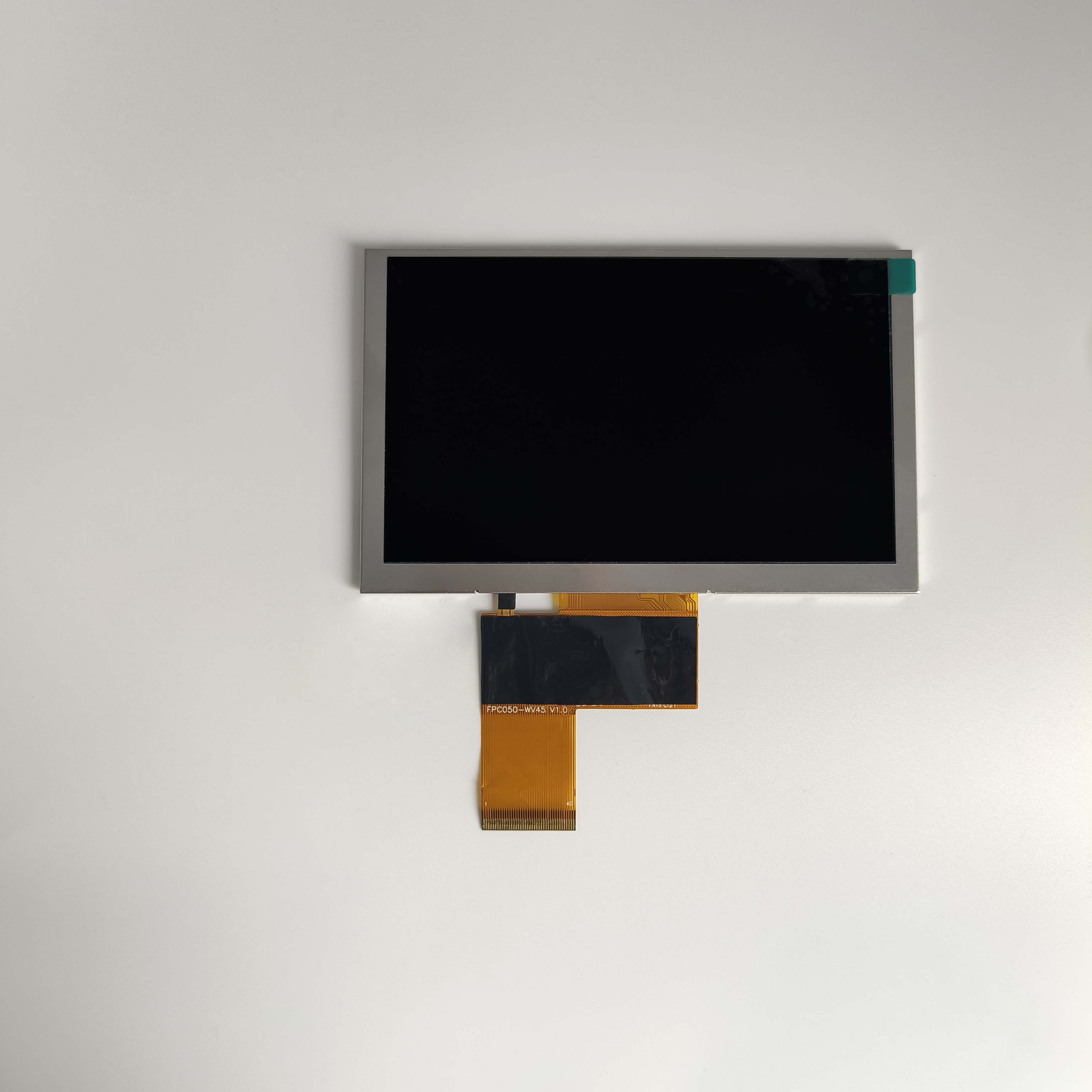
OCA (Optically Clear Adhesive) bonding fills all air gaps between touch glass and display, enabling credit card readers and NFC modules to mount directly behind the bonded surface. This seamless integration prevents moisture ingress, maintains anti-glare and anti-fingerprint performance, and preserves capacitive touch sensitivity through low-dielectric materials that sustain proper electrical coupling. The result is a unified payment interface with 1000 nits brightness for outdoor readability, elimination of reflections that obscure card readers, and robust durability against humidity and thermal cycling. CDTech's 13+ years in automotive TFT LCD manufacturing and zero-defect quality policy ensure payment-grade reliability for 24/7 outdoor EV operations.
Which Display Specs Ensure Reliability for Outdoor EV Charger Payments?
Reliable outdoor EV payment displays require wide-temperature operation (-30°C to +85°C) to handle extreme climates, brightness levels of 850–1000 nits for sunlight visibility, and automotive-grade durability against vibration, humidity, and UV exposure. LVDS and MIPI interfaces accommodate modern charger HMI architectures, while IATF16949 certification guarantees zero-defect manufacturing. High-brightness IPS panels deliver consistent color and contrast from all viewing angles, essential when users approach from varying positions. IP65+ waterproofing prevents rain and splash damage, and optically bonded touch panels maintain accuracy through thermal expansion cycling.
| Display Type | Brightness | Temperature Range | Certifications | Bonding Option |
|---|
| Generic LCD | 300–500 nits | 0°C to +50°C | ISO9001 | None |
| CDTech Automotive TFT | 850–1000 nits | -30°C to +85°C | IATF16949, ISO13485, ISO9001, ISO14001 | OCA Optical Bonding |
What Role Does Capacitive Touch Play in Payment Terminal Displays?
Projected capacitive (PCAP) touch technology excels in EV payment scenarios, supporting multi-touch gestures for PIN entry alongside NFC card taps and contactless payments. Unlike resistive panels, PCAP operates through gloved hands and wet fingers—common in EV charging environments. The challenge lies in maintaining responsiveness through bonded glass: high-sensitivity ITO sensors and optimized bonding thickness ensure touch accuracy without sacrificing optical clarity. CDTech's touch screen LCD specialization delivers integrated payment interfaces where the display and capacitive panel function as a unified system, eliminating air gaps that would degrade touch performance or create visual artifacts obscuring payment security displays.
How to Validate Waterproofing and Durability for EV Payment Displays?
Validation requires IP65 and IP67 testing for rain and splash resistance, salt fog exposure to simulate coastal environments, and UV cycling to ensure outdoor longevity. IATF16949 compliance verifies automotive vibration and shock standards, reducing field failures from vehicle-mounted charger installations. Thermal cycling (-30°C to +85°C) confirms that OCA bonding and components survive extreme climate swings without delamination or electrical failures. Drop tests and pressure-washing simulations validate durability against accidental impacts and cleaning procedures. CDTech's zero-defect manufacturing policy and 10,000㎡ factory with 3,500㎡ dust-free workshop ensure every payment display passes rigorous QC protocols before deployment.
| Test Standard | Purpose | Typical Threshold |
|---|
| IP65 Waterproofing | Rain and splash resistance | Low-pressure water jets from all angles |
| Salt Fog (ASTM B117) | Coastal environment durability | 1000+ hours without corrosion |
| Thermal Cycling | Wide-temperature stability | -30°C to +85°C, 50+ cycles |
| IATF16949 Vibration | Automotive reliability | Vehicle mounting shock tolerance |
Why Choose Custom TFT LCDs for EV Charger HMI Payment Integration?
Custom TFT LCDs provide size flexibility (7–15" typical for charger interfaces), aspect ratio optimization for payment terminal layouts, and seamless interface compatibility (LVDS, MIPI, RGB) for embedding into charger HMI systems. Off-the-shelf displays often force compromises—wrong brightness, incompatible interfaces, or inadequate temperature ranges. CDTech's R&D team delivers tailored solutions where every specification aligns with payment security, outdoor durability, and charger manufacturer requirements. Supply chain advantages include direct exports to Europe and the Americas from the Shenzhen hub, rapid prototyping (4–6 weeks), and full production scaling. National High-tech Enterprise certification validates CDTech's innovation capacity for next-generation EV infrastructure.
What Production Capabilities Does CDTech Bring to EV Charger Payment Displays?
CDTech operates a 10,000㎡ factory with a 3,500㎡ thousand-level dust-free workshop, ensuring cleanroom manufacturing for optical bonding and touch assembly. In-house capabilities include OCA optical bonding for behind-glass payment reader integration, PCAP touch panel production (operational since 2020), anti-glare and anti-fingerprint surface treatments, and fully automatic POL/LCD/CTP equipment deployed in 2024. Quad certifications (ISO9001, ISO14001, ISO13485, IATF16949) demonstrate rigorous quality control across automotive, medical-grade, and environmental standards. The zero-defect policy guarantees payment displays survive field deployment without reliability surprises, backed by 24-hour response times for customer inquiries.
How Can OCA Bonding Thickness Optimization Preserve Payment Reader Optics?
OCA bonding thickness directly impacts optical performance and touch sensitivity. Layers below 0.5mm maintain refractive index consistency, preventing light diffusion that would obscure card reader LEDs or NFC antenna visibility. Thicker bonds increase optical distortion and reduce capacitive touch responsiveness. CDTech optimizes bond thickness per project specifications, balancing payment hardware visibility, anti-reflection coatings, and touch accuracy. Low-dielectric OCA materials preserve electrical coupling to capacitive sensors without signal loss. This precision engineering ensures that payment terminals mounted behind bonded glass remain fully functional and visible—critical when users must confirm card insertions or read security confirmations on screen.
Does CDTech Support Full Integration of Payment Display Solutions?
Yes. CDTech delivers complete integration: custom automotive-grade TFT LCDs (850–1000 nits, -30°C to +85°C), integrated PCAP touch panels with multi-touch capability, OCA optical bonding for behind-glass payment hardware mounting, and optional anti-glare/anti-fingerprint treatments. The company provides design consulting, prototype validation, and production scaling from a single supplier. IATF16949 certification ensures payment-grade reliability. Contact sales@cdtech-lcd.com or call +86 0755-23032202 for custom EV charger payment display specifications. WhatsApp support (+8613556818296) enables rapid technical collaboration during development phases.
Check: Vehicle LCD Display
CDTech Expert Views
"Integrating payment terminals behind EV charger glass requires precision OCA bonding that eliminates optical distortions while preserving touch accuracy—a challenge we've mastered over 13 years of automotive TFT LCD manufacturing. Our zero-defect quality policy ensures that every bonded display survives -30°C to +85°C cycling, salt fog exposure, and continuous outdoor operation without delamination or electrical failures. IATF16949 certification validates our automotive-grade processes, while in-house touch panel production enables rapid prototyping (4–6 weeks) and seamless integration. For EV charger manufacturers, this means fewer field failures, faster time-to-market, and payment displays that work reliably in any climate."
What Certifications Prove Payment Display Reliability?
IATF16949 certification guarantees automotive-grade manufacturing for zero-defect reliability—essential for payment security systems. ISO13485 demonstrates medical-grade quality control standards applicable to data handling and electrical safety. ISO9001 confirms general manufacturing excellence, while ISO14001 ensures environmental responsibility. Together, these certifications validate that CDTech payment displays meet stringent automotive durability requirements, reduced field failure rates, and payment industry compliance expectations. IATF16949 specifically addresses manufacturing process stability, variation reduction, and continuous improvement—hallmarks of payment-grade production standards.
Are There Regional Supply Chain Advantages for EV Charger Deployment?
CDTech exports to Europe, Americas, Middle East, Russia, Japan, and Taiwan from its Shenzhen manufacturing hub, enabling rapid deployment across major EV charging networks. Local supply chains in these regions support faster logistics, reduced lead times, and proximity to charger manufacturers. The company's National High-tech Enterprise status facilitates technology partnerships and innovation collaboration. Shorter shipping distances to North America and Europe mean faster prototype validation cycles and production ramp-up aligned with charger deployment schedules. This geographic advantage, combined with 24-hour customer response commitments, positions CDTech as a reliable partner for globally distributed EV infrastructure projects.
How Do Anti-Glare and Anti-Fingerprint Treatments Enhance Payment Display Experience?
Anti-glare (AG) surface treatments scatter sunlight reflections, improving readability at outdoor EV stations where glare obscures payment information. Anti-fingerprint (AF) coatings reduce smudges from repeated card insertions and touchscreen interactions, maintaining visual clarity and payment display professionalism. These treatments are applied during CDTech's in-house finishing process, ensuring uniform coverage without optical degradation. Combined with OCA optical bonding, AG and AF treatments create payment displays that remain clear and responsive throughout extended outdoor use cycles, reducing maintenance requirements and user frustration.
Conclusion
Integrating payment terminals with EV charger touch screens demands more than standard displays—it requires automotive-grade engineering, precision optical bonding, and zero-defect manufacturing. CDTech's 13+ years of TFT LCD expertise, combined with IATF16949 certification and in-house OCA bonding capabilities, delivers payment displays engineered for -30°C to +85°C operation, 1000 nits brightness, and 24/7 outdoor reliability. By choosing custom automotive-grade TFT LCDs with capacitive touch and optical bonding, EV charger manufacturers eliminate behind-glass mounting hurdles, ensure payment security, and deploy infrastructure that outlasts competitor solutions. Partner with CDTech for payment display solutions that transform EV charging reliability: contact sales@cdtech-lcd.com or call +86 0755-23032202.
FAQs
What thickness of OCA bonding works best for behind-glass payment readers?
Layers below 0.5mm maintain optical clarity and touch sensitivity while preserving payment reader visibility. CDTech optimizes bond thickness per project requirements, balancing optical performance against capacitive coupling efficiency. Thinner bonds reduce light diffusion obscuring card reader LEDs, while maintaining structural integrity for outdoor durability.
Can EV charger payment displays handle direct sunlight and extreme temperatures?
Yes. CDTech automotive-grade TFT LCDs operate -30°C to +85°C with 850–1000 nits brightness, delivering sunlight readability enhanced by anti-glare OCA bonding. This temperature range covers North American winters and Middle Eastern summers, validated through thermal cycling and salt fog testing.
What certifications prove payment display reliability for EV infrastructure?
IATF16949 (automotive), ISO13485 (medical-grade QC), ISO9001 (general excellence), and ISO14001 (environmental) together validate CDTech's zero-defect manufacturing. IATF16949 specifically ensures process stability and reduced field failures—critical for payment security systems deployed globally.
How long does custom EV payment display prototyping take?
CDTech delivers prototypes within 4–6 weeks from design approval, utilizing its 3,500㎡ dust-free workshop and fully automatic POL/LCD/CTP equipment. Production scaling follows immediately upon validation, minimizing time-to-market for EV charger deployment.
Does CDTech support waterproof and bonded touch panels for outdoor payment terminals?
Yes. CDTech offers IP65+ waterproof capacitive touch panels integrated with OCA optical bonding, enabling behind-glass payment reader mounting. Multi-touch PCAP technology supports PIN entry, contactless taps, and gloved/wet-finger operation essential for outdoor EV environments.


