Automotive digital cluster displays minimize driver distraction by prioritizing safe UI principles like hierarchical information layout for 1–2 second glances, 850–1000 nits brightness with OCA optical bonding for glare reduction, IPS panels for wide viewing angles, and large touch targets for gloved use. CDTech's IATF16949-certified custom solutions ensure zero-defect quality and low eye-off-road time.
Check: How Have Digital Instrument Cluster Displays Evolved in Modern Passenger Cars?
What Causes Driver Distraction in Digital Vehicle Clusters?
Driver distraction in digital clusters stems from excessive eye-off-road time (EORT), defined as duration when drivers look away from the road. Safety research indicates that glances exceeding 2 seconds significantly increase crash risk. Cognitive overload from dense information layouts, rapid animations, and poor color contrast forces drivers to process data longer than safe thresholds. Glare and reflections in sunlight worsen readability, causing squinting and extended viewing time. Additionally, small touch targets and poor visibility angles compound the problem, especially during daytime driving or adverse weather conditions.
How Do Safe Automotive UI Principles Reduce Eye-Off-Road Time?
Safe UI design prioritizes rapid information processing through hierarchical layouts that present critical data—speed, alerts, warnings—first and prominently. Minimal animations reduce cognitive load, while high-contrast color schemes enable instant recognition. Large touch targets (10mm minimum for gloved operation) prevent erroneous taps that extend interaction time. Glanceable icons replace dense text, and predictable information placement allows drivers to locate data without searching. Wide viewing angles via IPS panel technology ensure readability from off-center positions, further reducing head movement and EORT.
| Aspect | Safe UI Principle | Distracting Risk | CDTech Solution |
|---|
| Glance Time | 1–2 sec hierarchical layout | >3 sec dense information | IPS wide-angle panels (full-view display technology) |
| Glare | OCA bonding + 850–1000 nits | Reflections in daylight | Anti-glare custom coating with optical bonding |
| Touch Interaction | Large targets (10mm+) for gloves | Small/error-prone taps | In-house PCAP touch integration with OCA |
| Temperature Resilience | -30°C to +85°C operation | Display failure in extreme climates | IATF16949-certified manufacturing |
Why Are Automotive HMI Safety Standards Essential for Clusters?
IATF16949 certification establishes automotive quality management standards, ensuring zero-defect manufacturing and reliability in safety-critical applications. ISO13485 compliance guarantees medical-grade reliability, reinforcing component consistency across production batches. These standards mandate rigorous testing for thermal extremes (-30°C to +85°C), vibration tolerance, and electromagnetic interference—conditions digital clusters face in real vehicles. CDTech holds all four critical certifications: ISO9001, ISO14001, ISO13485, and IATF16949, demonstrating commitment to distraction-free, failsafe display solutions.
What Role Does OCA Optical Bonding Play in Glare-Free Cluster Design?
OCA (Optically Clear Adhesive) optical bonding eliminates air gaps between the touch panel and LCD panel, dramatically improving sunlight readability by reducing reflections and glare. This process enables drivers to read cluster information without excessive squinting, directly reducing EORT. Anti-fingerprint (AF) coatings applied during OCA bonding maintain clean touch response and visual clarity. CDTech's in-house OCA bonding capability, operational since 2020, allows customization of 7–12.3-inch clusters without external supply chain delays. The technology is particularly valuable for vehicle clusters exposed to direct sunlight during highway driving.
How Do MIPI and LVDS Interfaces Balance Cool Visuals with Safety?
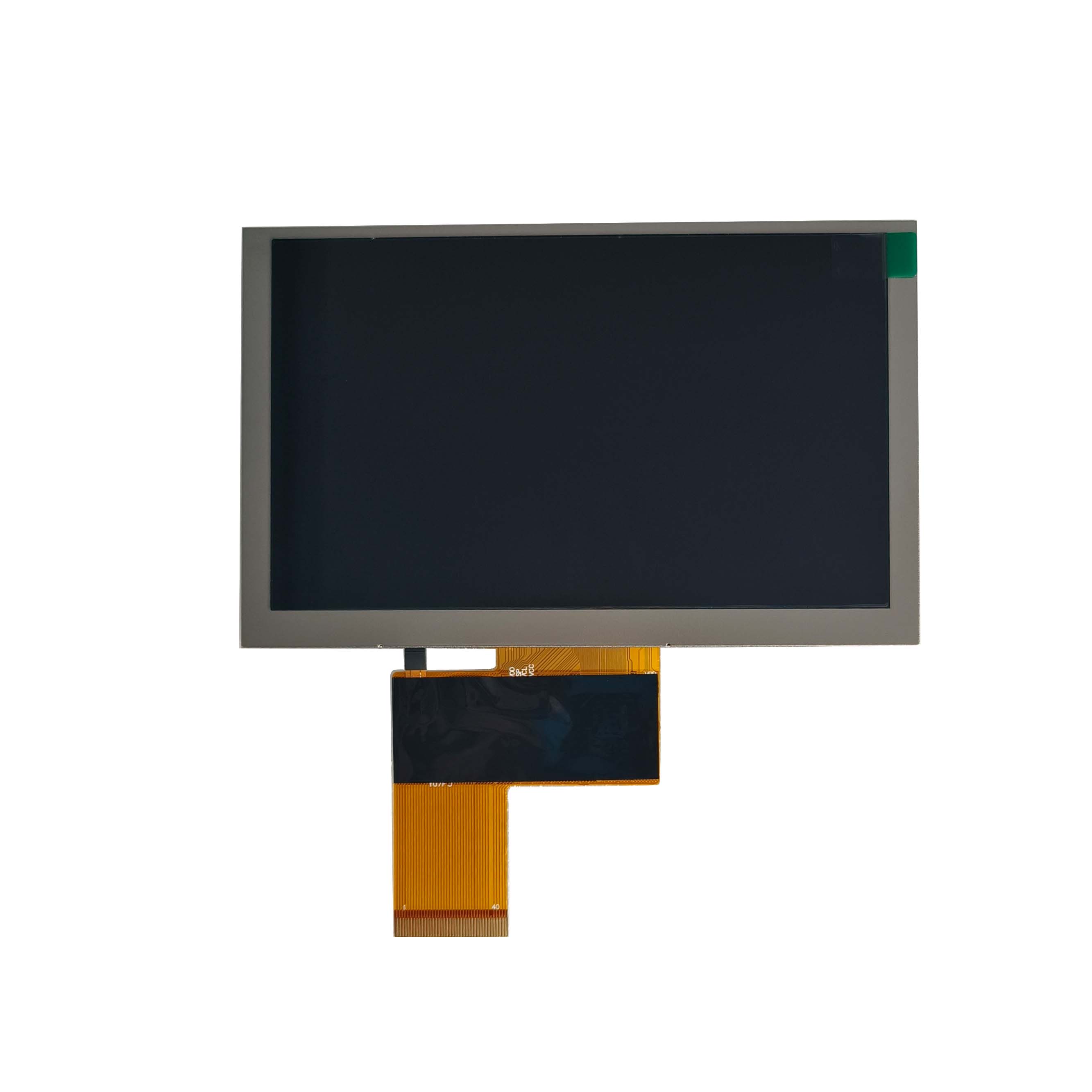
LVDS (Low-Voltage Differential Signaling) is the proven automotive standard for cluster displays, offering low latency, thermal stability, and reliable operation in electromagnetic-rich vehicle environments. MIPI (Mobile Industry Processor Interface) supports higher-resolution displays and modern refresh rates, enabling visually premium clusters without sacrificing safety if UI design remains hierarchical and animation-controlled. CDTech manufactures both interface types: LVDS for 850–1000 nits 12.3-inch clusters (1920×720 resolution) and MIPI for high-resolution portrait displays and rear-seat entertainment systems (1200×1920 at 400 nits). The choice depends on OEM design priorities and safety compliance requirements.
| Interface | Strengths for Safety | Visual Appeal | CDTech Examples |
|---|
| LVDS | Proven stability, low latency, EMI resistance | 1920×720 clusters with 950 nits | S123BWU11EP (12.3", 1920×720, 950 nits, IPS) |
| MIPI | High-bandwidth support, multi-panel capability | 1200×1920 portrait, premium refresh rates | S070QWU144NN-1 (7.0" portrait, 1200×1920, MIPI) |
Why Choose Custom Automotive Instrument Clusters from Certified Manufacturers?
Custom automotive clusters from certified manufacturers ensure compliance with IATF16949 and regional safety regulations, reducing legal and recall risks. OEMs benefit from tailored brightness (850–1000 nits), resolution, interface selection (RGB, LVDS, MIPI), and touch integration optimized for specific vehicle platforms. CDTech, recognized as a National High-tech Enterprise since 2015 and exporting to Europe, Americas, Middle East, Russia, Japan, and Taiwan, provides design partnership from concept through production. Fully automatic production lines (upgraded in 2024) ensure scalability, consistent quality, and rapid lead-time response. Custom solutions allow OEMs to differentiate with "cool yet safe" visuals while maintaining zero-defect standards.
What Future Trends Promise Even Safer Digital Dashboard Technology?
Emerging innovations include AI-driven adaptive UI that adjusts information hierarchy and brightness based on road conditions and driver attention metrics. Haptic feedback technology promises tactile responses to touch inputs, reducing visual reliance on screen confirmation. Higher brightness standards (1000+ nits) with advanced anti-glare coatings will further minimize squinting and EORT. CDTech's ongoing research into wide-temperature LCDs, MIPI-based multi-panel systems, and advanced touch solutions positions the company to support next-generation vehicle clusters that prioritize both safety and premium user experience.
Check: Vehicle LCD Display
CDTech Expert Views
"With over 13 years specializing in TFT LCD and touch display manufacturing for automotive and industrial applications, CDTech has perfected the balance between visually compelling interfaces and distraction-reducing design. Our 10,000-square-meter factory, featuring a 3,500-square-meter thousand-level dust-free workshop, operates under a zero-defect quality policy and holds quad certifications including IATF16949. Our in-house OCA optical bonding process and glass-cutting patent—granted in 2017—directly address glare-induced driver distraction. Recent deployments include 12.3-inch LVDS clusters with 950 nits brightness and IPS panels, engineered to keep driver eye-off-road time below 2 seconds while maintaining premium visual appeal. We view safe cluster design not as a limitation, but as a competitive advantage."
Conclusion
Minimizing driver distraction in automotive digital cluster displays requires a multifaceted approach: prioritizing hierarchical UI layouts for rapid information processing, implementing OCA optical bonding and high brightness (850–1000 nits) to eliminate glare, selecting proven interfaces like LVDS for reliability, and ensuring IATF16949-certified manufacturing for zero-defect quality. CDTech's 13+ years of automotive display expertise, combined with in-house OCA bonding, PCAP touch integration, and custom design capabilities, deliver clusters that are both visually premium and genuinely safe. By partnering with certified manufacturers who understand the balance between aesthetic innovation and safety compliance, OEMs can deploy digital clusters that enhance driver experience without compromising road safety.
Frequently Asked Questions
What is eye-off-road time (EORT) in automotive displays?
Eye-off-road time is the duration a driver looks away from the road. Safety research indicates glances exceeding 2 seconds significantly increase crash risk. Safe cluster design targets EORT below 2 seconds via glanceable hierarchical layouts, high contrast, and OCA optical bonding to minimize glare-induced squinting and visual strain.
How does IATF16949 certification benefit cluster safety?
IATF16949 mandates automotive-grade quality management, zero-defect manufacturing, and rigorous testing across temperature ranges (-30°C to +85°C), vibration tolerance, and electromagnetic interference. This certification ensures digital clusters operate reliably in safety-critical vehicle environments, reducing failure risk and driver distraction from display malfunctions.
Can CDTech customize displays for low-distraction UI?
Yes. CDTech offers fully custom cluster solutions with in-house OCA bonding, IPS full-view panels (850–1000 nits brightness), LVDS or MIPI interfaces, and PCAP touch integration. The company's R&D team works with OEMs to design hierarchical layouts and surface treatments (anti-glare, anti-fingerprint) that minimize eye-off-road time.
What brightness level is needed for sunlight-readable automotive clusters?
Automotive clusters require 850–1000 nits minimum brightness for sunlight readability. CDTech's 12.3-inch vehicle LCD displays achieve 950 nits with IPS technology and OCA optical bonding, ensuring legibility in direct daylight without forcing drivers to squint or extend viewing time.
How does CDTech ensure wide-temperature performance for global vehicle deployments?
CDTech's IATF16949-certified manufacturing process includes rigorous thermal testing from -30°C to +85°C, ensuring digital clusters operate reliably across global climates—from arctic winters to desert summers. This wide-temperature resilience is critical for maintaining consistent brightness, color accuracy, and touch response in real-world vehicle conditions.
Instrument Clusters and HUD