News
Site Editor
 Site
https://cdtech-lcd.usa72.wondercdn.com/uploads/image/5faca15e24cff.png
Site
https://cdtech-lcd.usa72.wondercdn.com/uploads/image/5faca15e24cff.png
Why Does Color Accuracy Matter for AI Vision System Displays?
Views: 1260
Author: Site Editor
Publish Time: 2026-03-31
Origin: Site
Color accuracy is critical for AI vision system displays because sensors and AI algorithms "see" colors differently than humans, requiring stable rendering to avoid skewed machine learning datasets. IPS panels excel here with wide viewing angles and consistent gamut, ensuring precise color recognition in training. CDTech's IATF16949-certified IPS displays provide zero-defect stability for industrial and automotive AI applications.
Check: IPS Display vs OLED Display For Color Accuracy
How Do AI Sensors Perceive Color Differently from Humans?
AI sensors like CMOS or CCD capture RGB channels without human cone cell adaptation, causing gamut mismatches under varying light conditions. Inconsistent displays introduce training errors in machine learning color recognition, skewing datasets for object detection. IPS panels offer stable color across angles, unlike TN panels that shift hues dramatically.
What Makes IPS Displays Ideal for Machine Vision Training?
IPS technology uses in-plane switching for wide viewing angles of 178°/178° and color stability, essential for AI vision system displays in multi-angle setups. Unlike VA or TN panels, IPS maintains Delta E below 2 for high color accuracy, minimizing ML color detection errors. CDTech's IPS panels, like the 10.1" S101HWX53EP-FC47-AG with 850 nits, support this precision.
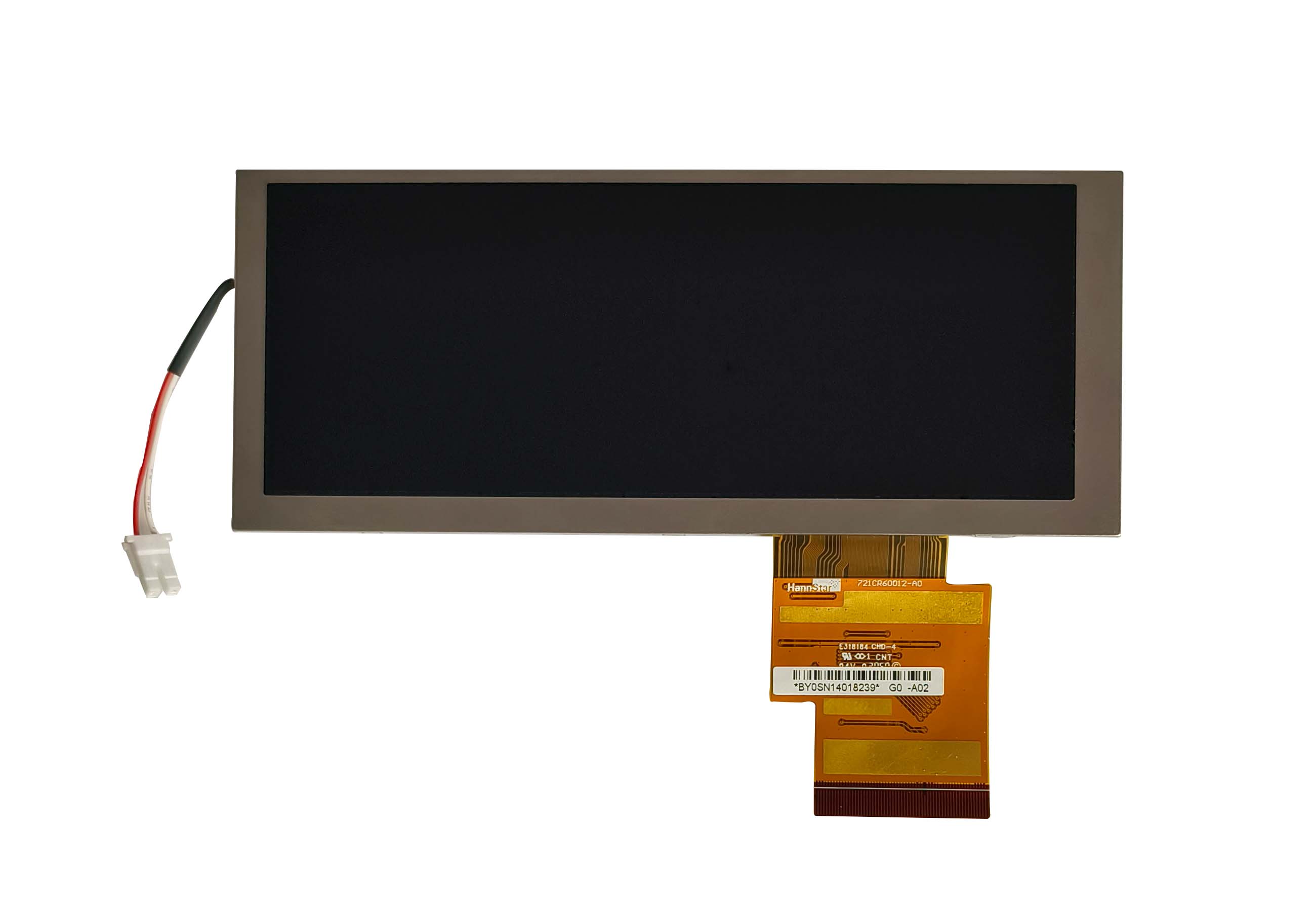
| Panel Type | Viewing Angle | Color Gamut Stability | AI Training Suitability |
|---|
| IPS (CDTech) | 178°/178° | Delta E<2, consistent | Excellent; stable for sensors |
| TN | ~160° | Shifts with angle | Poor; skews datasets |
| VA | ~170° | Moderate shifts | Fair; less reliable |
Why Is Color Stability Essential in AI-Driven Vision Systems?
Unstable TFT LCD color in AI training can cause 10-20% accuracy drops in machine vision tasks, per industry benchmarks. IPS ensures repeatable sensor data through consistent calibration, vital for vision system monitor calibration. In future edge AI for automotive displays, stable IPS supports reliable object detection under harsh conditions.
CDTech Expert Views: How Do Certified IPS Panels Solve AI Color Challenges?
"With 13+ years of TFT LCD manufacturing since 2011, CDTech's quad-certified (ISO9001, ISO14001, ISO13485, IATF16949) IPS panels deliver zero-defect color stability. Our 10,000㎡ factory with 3,500㎡ dust-free workshop enables custom solutions like wide-temp (-30°C~+85°C) displays and OCA bonding. This ensures sensor-accurate ML datasets for AI vision in industrial control and automotive applications, bridging human-sensor perception gaps precisely."
— CDTech R&D Team, Specialists in IPS for Machine Vision
What Role Does OCA Bonding Play in AI Vision Edge Cases?
OCA optical bonding eliminates air gaps, enhancing clarity with anti-glare and anti-fingerprint treatments on high-brightness IPS panels for AI training. It solves sensor-human vision mismatches in harsh environments like automotive or medical devices. CDTech's in-house OCA, as in the 10.1" S101HWX53EP-FC47-AG, boosts readability for precise ML datasets.
Check: Touch screen LCD display manufacturer
How Can You Calibrate Displays for Optimal Machine Learning Color Recognition?
Calibrate using colorimeters to verify Delta E under 2; select IPS panels for inherent stability in vision system monitor calibration. Prioritize wide-temp, high-brightness options like CDTech's 1000 nits IPS for industrial and vehicle AI systems. Regular checks ensure consistent sensor inputs for accurate training.
| Step | Tool Needed | IPS Benefit |
|---|
| Clean display | Microfiber cloth | Reduces artifacts on stable surface |
| Measure baseline | Colorimeter | Confirms Delta E<2 consistency |
| Adjust white point | Calibration software | Maintains gamut across angles |
| Verify angles | Goniometer | Leverages 178° stability |
| Test under load | AI sensor rig | Ensures zero-defect repeatability |
| Document profile | ICC profiler | Supports custom CDTech IPS |
Which Industries Benefit Most from High-Accuracy IPS in AI Vision?
Industrial control, automotive, medical devices, smart home, and instrumentation sectors gain from stable IPS color. Hardware engineers and OEM procurement favor IATF16949-certified panels for AI object sorting. CDTech's export-proven solutions to Europe, Americas, and beyond scale to next-gen AI with wide-temp IPS like the 12.3" S123BWU11EP.
FAQs
What is Delta E in displays for computer vision?
Delta E measures color difference; values under 2 ensure AI sensors match intended hues without training bias. CDTech IPS achieves this via zero-defect processes in their certified production.
Why choose IPS over other panels for AI vision system displays?
IPS provides superior gamut stability and 178° viewing angles, critical for machine learning color recognition. CDTech customizes with OCA bonding for edge AI reliability.
Are CDTech displays suitable for automotive AI vision?
Yes, IATF16949-certified wide-temp IPS panels (-30°C~+85°C), like the 3.6" S036BWS01EN at 1000 nits, offer color stability for vehicle-grade systems.
How does OCA bonding improve AI sensor accuracy?
OCA reduces reflections and parallax, providing glare-free color fidelity for precise ML datasets in industrial displays machine vision, as in CDTech's bonded models.
What certifications back CDTech's zero-defect policy?
ISO9001, ISO14001, ISO13485, and IATF16949 ensure reliability in high color accuracy LCD for AI applications across global markets.
Conclusion
Prioritize color accuracy in machine vision with CDTech's certified, custom IPS displays—13+ years of zero-defect expertise bridges sensor-AI gaps for future-proof systems. From high-brightness vehicle panels to OCA-bonded industrial solutions, CDTech delivers precision. Contact sales@cdtech-lcd.com for tailored IPS with OCA bonding.
Colour, Contrast and Optical Acceptance