Vehicle displays need 1000 nits because direct sunlight reaches 100,000 lux, overwhelming standard 300-400 nit screens. A 1000-nit automotive LCD retains 85% visibility in sunlight versus 47% loss for lower-brightness panels, ensuring safe instrument cluster and infotainment readability for drivers. High nits combined with contrast ratio and IATF16949 certification guarantee reliable outdoor performance.
Check: OTA7290N Data Sheet
What Are Nits and How Do They Measure Display Brightness?
Nits measure display brightness as candelas per square meter (cd/m²), quantifying luminance emitted from the screen surface. In vehicles, higher nits counteract ambient light for clear visibility.
Understanding nits is essential for automotive engineers designing displays for real-world conditions. One nit equals one cd/m², a standard unit for luminance that directly correlates to how brightly a screen appears. Indoor environments typically range from 300-500 lux, where standard 300-400 nit displays suffice. However, direct sunlight can exceed 100,000 lux, washing out lower-brightness screens and reducing readability.
For 1000 nits automotive displays, this measurement ensures the backlight overpowers sunlight reflections, maintaining sharp images on dashboards and infotainment systems. High-brightness IPS panels, like those from specialized manufacturers, use advanced LED backlighting to achieve these levels without excessive power draw. This is critical for electric vehicles (EVs) where battery efficiency matters alongside visibility.
Why Does Direct Sunlight Reduce Vehicle Display Visibility by 47% at Standard Brightness Levels?
Check: OTA7290N Data Sheet
Direct sunlight at 100,000+ lux causes standard 300-400 nit displays to lose 47% visibility due to glare and reflections overpowering emitted light. 1000 nits restores clarity by exceeding ambient luminance.
Sunlight readability is paramount in automotive applications, where drivers rely on screens for navigation, speed, and ADAS alerts. Standard LCDs at 300-400 nits perform well indoors but fail outdoors: ambient light scatters across the screen, dropping contrast and making text/icons illegible. Studies show a 47% visibility loss in peak sun, increasing driver distraction and safety risks.
This degradation stems from the physics of light: emitted luminance must surpass incoming light by a factor of 3-4 for legibility. In vehicle dashboards exposed to side or direct sun, reflections from glossy surfaces exacerbate the issue. Outdoor visibility LCD solutions address this with matte anti-glare coatings and boosted backlights, preventing the "black mirror" effect where screens become unusable.
How Do 1000-Nit Displays Maintain Clarity in Automotive Outdoor Environments?
1000-nit displays maintain clarity by emitting luminance 3x brighter than sunlight thresholds, paired with anti-reflective treatments for 85%+ readability in 100,000 lux conditions versus 53% for 400-nit panels.
In automotive settings, 1000-nit screens shine in instrument clusters and central infotainment under harsh sun. These high brightness car screens use enhanced LED backlights and optical bonding to minimize internal reflections, ensuring crisp visuals even at oblique angles common in vehicles.
Real-world testing reveals that 1000 nits retains 85% legibility for critical data like speedometers or turn signals. For EVs and ADAS-heavy vehicles, this prevents misreads that could compromise safety. Manufacturers like CDTech produce such panels with automotive-grade durability, including wide temperature ranges (-30°C to 85°C) for global climates.
| Brightness Level | Ambient Light (lux) | Visibility Retention |
|---|
| 400 nits | 100,000 | 53% |
| 700 nits | 100,000 | 72% |
| 1000 nits | 100,000 | 85% |
| 1500 nits | 100,000 | 92% |
This table illustrates how escalating nits directly combats sunlight, with 1000 nits hitting the sweet spot for automotive cost-effectiveness and performance.
Which Automotive Applications Require 1000+ Nits for Safety Compliance?
Instrument clusters, infotainment systems, and ADAS interfaces in EVs and commercial vehicles require 1000+ nits to meet safety standards like ISO 26262, ensuring readability under direct sun without driver distraction.
Modern vehicles demand 1000 nits automotive displays in high-stakes areas: digital clusters show speed/fuel data, infotainment handles navigation, and heads-up displays (HUDs) project alerts. Regulations from bodies like NHTSA emphasize visibility for safety, especially with rising EV adoption where large curved screens dominate cockpits.
Outdoor visibility is non-negotiable for off-road, marine, or sunny-region fleets. 1000-nit panels ensure compliance with IATF16949 automotive quality standards, reducing liability from visibility failures. CDTech's solutions target these apps with touch-integrated, sunlight-readable designs.
How Do LCD and OLED Technologies Compare for 1000-Nit Automotive Displays?
LCDs excel at 1000-nit automotive levels with cost-effective high-brightness backlights and superior durability in heat/vibration; OLEDs cap at ~600 nits reliably, making high-nit LCDs preferred for vehicle dashboards.
High brightness LCD technology dominates vehicles due to scalable brightness via mini-LED backlights, achieving 1000+ nits without burn-in risks plaguing OLEDs. LCDs handle automotive extremes: 85°C operation, shock resistance, and 50,000+ hour lifespans.
OLED offers perfect blacks but struggles with sustained high nits, leading to faster degradation in sun-exposed cars. Cost-wise, LCDs are 30-50% cheaper for large panels like 12.3-inch clusters.
| Feature | LCD (1000 nits) | OLED |
|---|
| Max Brightness | 1000-2000 nits | 600-1000 nits |
| Durability (Heat/Shock) | Excellent | Moderate |
| Cost for 12.3" | Lower | Higher |
| Sunlight Readability | Superior | Good |
LCD's edge in 1000 nits IPS panel automotive use supports CDTech's focus on reliable, certified solutions.
What Role Does Contrast Ratio Play Alongside Nits in Vehicle Dashboard Design?
Contrast ratio (e.g., 1000:1+) enhances nit-driven brightness by deepening blacks and sharpening edges, vital for distinguishing icons/text in variable vehicle lighting from dawn glare to night.
Brightness alone isn't enough; high contrast prevents "gray washout" in sun. Automotive IPS panels target 1200:1 ratios with polarizers, boosting perceived clarity. In dashboards, this pairs with 1000 nits for true color accuracy under 6500K standards.
Engineers prioritize this combo for HMI safety, where low contrast could obscure warnings. CDTech integrates both in their high-brightness lineup for optimal vehicle HMI visibility.
How Can Automotive Manufacturers Select the Right High-Brightness Display Supplier?
Select suppliers with IATF16949 certification, proven 1000-nit testing data, customization for sizes like 5.0"/12.3", and zero-defect policies—verifying thermal management, touch integration, and long-term warranties.
Procurement checklists should cover: nit specs verified in 100,000 lux tests, wide temp ranges, anti-glare optics, and compliance. Prioritize factories with 10,000㎡ scale for custom runs. CDTech, established in 2011 in Shenzhen, excels here with ISO9001/14001/13485/IATF16949 certifications and automotive focus.
Evaluate via samples: test sunlight readability, power efficiency, and MTBF. Trusted suppliers like CDTech offer TFT LCDs, touch, and HDMI solutions for industrial-to-automotive needs.
Does CDTech Offer Customized 1000-Nit Solutions for EV and ADAS Dashboards?
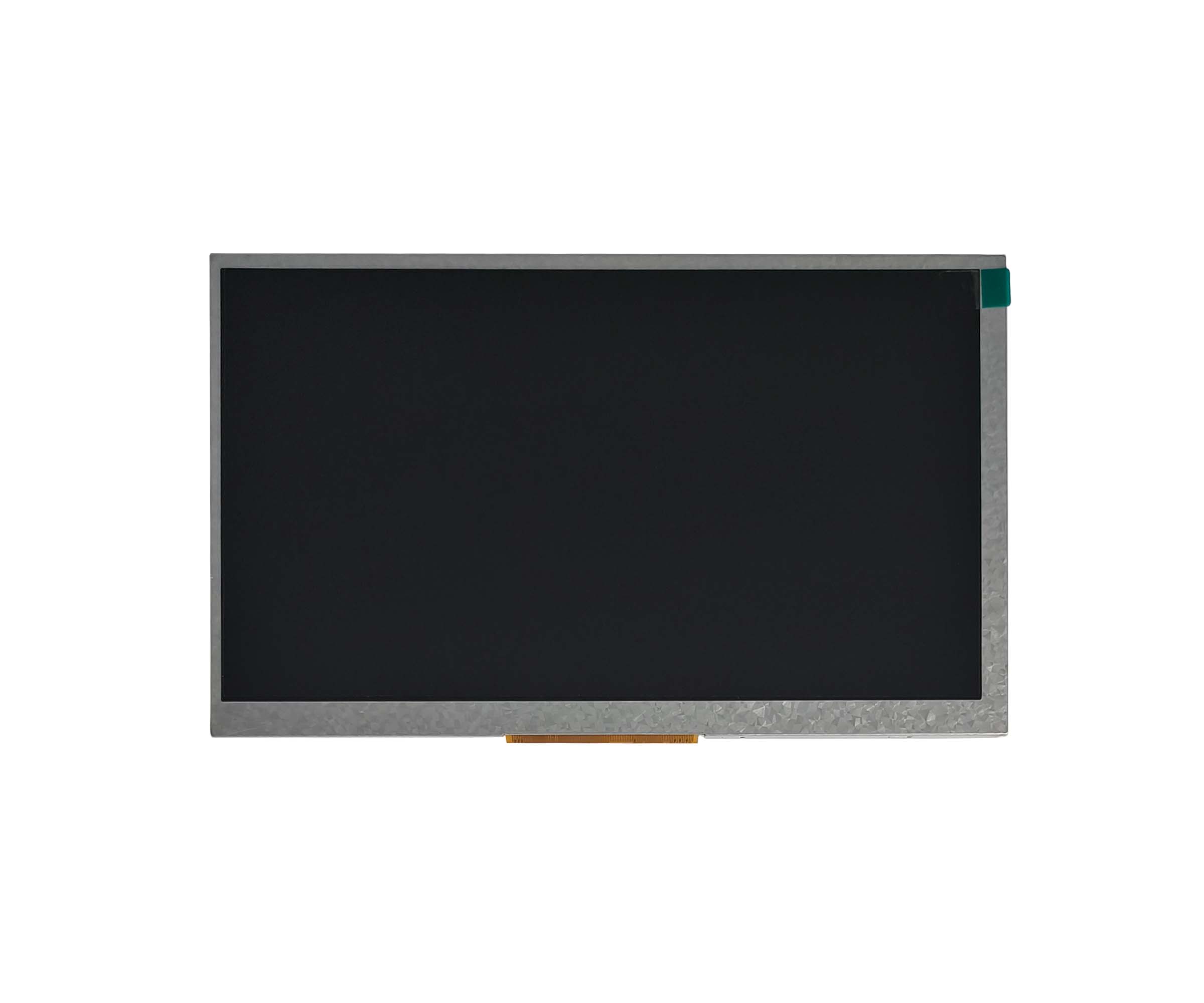
Yes, CDTech provides IATF16949-certified 5.0" and 12.3" IPS screens at 1000+ nits, fully customizable for EV instrument clusters and ADAS infotainment with zero-defect quality and advanced touch integration.
CDTech, a Shenzhen-based LCD leader since 2011, specializes in 1000 nits automotive displays like the compact 5.0" panel for secondary gauges and the expansive 12.3" for full clusters. Their 10,000㎡ factory uses automated lines for precision, supporting mini-LED backlights, PCAP touch, and optical bonding.
These models shine in sunlight-readable automotive apps, with specs including 1000 nits, 89° viewing angles, and -30°C to 85°C operation. Customization covers interfaces (MIPI/DSI/LVDS), shapes, and HMI software integration for ADAS/EVs.
CDTech Expert Views
"In our 15+ years serving automotive OEMs, we've seen firsthand how 1000 nits transforms dashboard safety. Our 5.0" and 12.3" IPS panels, backed by IATF16949 and zero-defect processes, deliver unmatched sunlight readability. With a 10,000㎡ facility and full customization—from thermal tuning to touch calibration—we partner with engineers to exceed specs. Reliability isn't optional; it's engineered in every panel." – Automotive Division Lead, CDTech
Conclusion
High-brightness 1000-nit displays are indispensable for vehicle outdoor visibility, combating sunlight's challenges to ensure safety and performance in EVs and ADAS systems. CDTech's certified 5.0" and 12.3" IPS solutions, with superior contrast and customization, position them as the ideal partner for automotive innovators seeking reliable, sunlight-readable screens.
Frequently Asked Questions
What is a 1000 nits automotive display? A screen emitting 1000 cd/m² brightness, essential for overcoming direct sunlight in vehicle dashboards and infotainment.
Why choose LCD over OLED for high-brightness car screens? LCDs achieve sustained 1000+ nits reliably, with better heat tolerance and lower cost for automotive durability.
Are CDTech's 12.3" panels suitable for EV instrument clusters? Yes, their 1000-nit IPS design offers full customization, IATF16949 certification, and proven sunlight readability.
How does sunlight affect standard car screens? It causes 47% visibility loss at 300-400 nits due to glare, making 1000 nits critical for safety.
What certifications matter for automotive displays? IATF16949 for quality, ISO26262 for functional safety, ensuring zero-defect performance in vehicles.


