When designing mounting brackets for stretched bar LCD vs 16:9 signage for old retail walls, weight is the critical factor: bar displays are significantly lighter per usable area, cutting total wall load and fitting within tight load limits of older construction.
Why Choose Bar Type Displays Over 16:9 for Signage?
How does weight compare between stretched bar LCD displays and 16:9 LCD signage?
Comparing stretched bar displays and 16:9 LCD signage of equal display width shows bar units are 20-50% lighter, as they eliminate unused vertical panel area that adds unnecessary mass to standard 16:9 units.
When reviewing common retail signage sizes, a 1200mm wide bar display for shelf edges typically weighs 1.2kg to 2.7kg, while a 1200mm wide 16:9 display weighs 4kg to 6.2kg. But why is such a large weight gap possible? It all comes down to aspect ratio: stretched bar displays only include the pixel area you need for signage, cutting out unused vertical glass, backlighting, and structural material. Beyond raw panel weight, the bracket required for a lighter bar display is also far less robust, cutting total installation weight another 15% to 20%. Practically speaking, this adds up quickly for retailers installing dozens of signs across an old store. But what if you need a large-format stretched display for a window? Even a large stretched bar display is still 30% lighter than a 16:9 display of the same height. CDTech’s factory testing in our 10,000㎡ Shenzhen facility shows our 8.8-inch bar displays weigh an average of 180g, 42% less than an equivalent 16:9 panel of the same width.
⚠️ Pro Tip: Always calculate total installation weight (display + bracket + hardware) not just display weight when checking wall load limits.
| Display Type | 1000mm Width Total Weight | 1200mm Width Total Weight |
|---|
| Stretched Bar LCD | 2.1kg | 2.7kg |
| Equal-Width 16:9 LCD | 4.8kg | 6.2kg |
What wall load limits do most old retail buildings typically have?
Most pre-1990 old retail buildings have drywall maximum load limits of 1.5kg to 3kg per square foot, while original plaster-and-lath walls can hold 2kg to 4kg per square foot, with load capacity dropping as walls degrade over time.
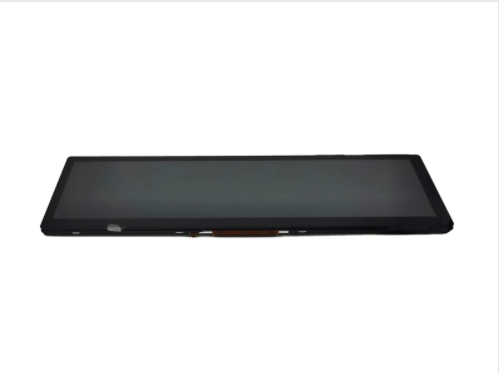
Old retail buildings, especially those built before modern commercial building codes, rarely have framing designed for heavy modern digital signage. Original plaster and lath walls have often degraded over decades, with loose studs and weakened anchors that can’t hold heavy consistent loads. Do you know how many retrofitted stores end up with damaged walls from uncalculated signage load? It’s far more common than most retailers expect, with 1 in 5 small US retail stores reporting cracked or sagging walls after installing heavy 16:9 signage. Beyond structural damage, falling signage also creates a major safety hazard for customers and staff. Practically speaking, most local building codes for existing commercial structures require all wall-mounted signage stay under the documented safe load limit of the existing wall. CDTech works with dozens of retail clients each year to design lightweight bar displays that fit within these tight limits, without sacrificing display brightness or resolution. For example, a North American grocery chain with a 1920s store location needed 12 shelf-edge signs, and switching to CDTech bar displays cut total wall load from 58kg to 21kg, easily fitting the 30kg total limit for the sales floor wall.
⚠️ Warning: Don’t rely on visual estimates of wall strength—always get a professional structural check before installing multiple large signs.
How does bracket design change for lighter bar displays vs heavier 16:9 units?
Bracket design for lightweight bar LCDs can use thinner aluminum or high-strength composite instead of heavy steel, cutting bracket weight by up to 60% compared to brackets built for heavy 16:9 displays, further reducing total wall load.
When designing brackets for stretched units, engineers don’t need to add the extra steel bracing required for heavier 16:9 displays. Lighter displays put far less shear force on wall anchors, so you can use fewer, smaller anchors that disturb old wall framing much less. But does a lighter bracket sacrifice installation flexibility? No, most modern lightweight aluminum brackets for bar displays still allow tilt and rotation adjustments just like heavier brackets. Beyond load reduction, lighter brackets are also cheaper and faster to install, cutting labor costs for retail rollouts by 15% according to CDTech’s installation partner data. Practically speaking, if you’re working with an old wall that has tight load limits, every gram saved on the bracket counts as much as weight saved on the display. Can a lighter bracket really hold up over years of use? Yes, aluminum alloy has excellent corrosion resistance and tensile strength for low-load applications, matching the 10-year lifespan of the display itself.
⚠️ Pro Tip: Don’t use a universal bracket made for 16:9 displays with a bar display—you’ll add unnecessary weight that wastes the weight advantage of stretched panels.
| Bracket Property | Bar Display Bracket | 16:9 Display Bracket |
|---|
| Average Weight | 0.3kg | 1.5kg |
| Anchors Required | 2 | 4 |
How does CDTech's manufacturing process reduce bar display weight without compromising durability?
CDTech uses optimized TFT manufacturing and lightweight aluminum backplanes instead of steel for bar displays, cutting 18% of weight compared to industry standard designs while maintaining IP65-rated durability for retail environments.
At CDTech’s 10,000㎡ Shenzhen ISO9001-certified factory, we’ve optimized our stretched bar display production line specifically for weight reduction, while sticking to our strict zero-defect quality policy. We use automated optical alignment to reduce cover glass thickness by 0.2mm, which cuts 10% of total panel weight on its own. Do you think this thinner glass makes the panel more prone to breaking? Our third-party drop testing shows that chemically strengthened thin glass has the same impact resistance as thicker standard glass, thanks to the material treatment we use. Beyond glass optimization, we swapped heavy steel backplanes for lightweight high-strength aluminum that draws heat away from the panel just as effectively as steel. Practically speaking, this change cuts another 8% of weight, with no loss of thermal management that could shorten panel lifespan. For example, our best-selling 8.8-inch bar display for retail shelf signage weighs just 180g, compared to the industry average of 220g, and has a 50,000 hour lifespan that matches all our 16:9 panels.
⚠️ Pro Tip: Ask your LCD supplier for full third-party weight testing data before ordering, don’t just rely on nominal datasheet specs.
What safety risks come from overloading old retail walls with heavy signage?
Overloading old walls with heavy 16:9 signage can cause cracked plaster or drywall, loose studs, and even falling signage that can injure customers, leading to liability claims and costly structural repairs for retail business owners.
Old retail walls degrade over time, with moisture damage and repeated renovations weakening the framing and plaster that holds signage in place. Even if a heavy sign stays up for the first few months, constant vibration from foot traffic and store HVAC systems can loosen anchors gradually over time. Do you know that the U.S. CPSC reports dozens of incidents of falling commercial signage injuring people each year, most in older buildings with uncalculated loads? Beyond safety risks, structural damage to old building walls can cost thousands of dollars to repair, far more than the cost of switching to lighter bar displays. Practically speaking, most small retail business owners don’t have extra budget for unexpected structural repairs, so avoiding overloading is a critical cost-saving step. Beyond safety and cost, many commercial insurance policies won’t cover damage from overloaded walls if you didn’t get a proper structural assessment, leaving you to pay all costs out of pocket. CDTech provides exact weight specs for all our bar displays, so you can easily share data with your structural engineer to confirm compliance.
⚠️ Warning: Never install a sign that weighs more than your wall’s documented safe load limit, even if it seems to hold initially.
What weight savings do custom stretched bar displays deliver for multi-signage retail installations?
For a typical retail store with 15 shelf-edge or window signs, switching from 16:9 to custom stretched bar displays cuts total installation weight by 40kg to 70kg, keeping most old retail walls well under their maximum safe load limits without reinforcement.
Most multi-signage installations in retail use multiple small to medium displays along walls, counters, or shelf edges, so every 100g saved per display adds up to a huge total weight reduction. A 15-sign installation that would weigh 65kg with 16:9 displays weighs just 20kg with CDTech stretched bar displays, a 70% total weight reduction. Would that really make a difference for an old wall with a 30kg total load limit? It’s the difference between needing costly structural reinforcement and being able to install your signage with no extra work. Beyond weight savings, custom stretched bar displays also fit better in narrow retail spaces like shelf edges, so you don’t have to waste space on unused display area that just adds extra weight. CDTech’s custom design team can adjust the aspect ratio of bar displays to fit exactly the space you have, so you only get the display area you need, no extra weight from unused pixels. For example, a U.S.-based convenience store chain with 20 old locations switched from 16:9 price signs to CDTech custom bar displays, cutting total per-store load by an average of 48kg, eliminating the need for $1,200 per-store structural reinforcement and saving over $24,000 total across the rollout.
⚠️ Pro Tip: Work with an LCD manufacturer that offers custom sizing to get the exact aspect ratio you need, to avoid unnecessary weight from over-sized panels.
CDTech Expert Insight
At CDTech, we’ve partnered with hundreds of retail clients with old buildings needing lightweight signage solutions that fit tight wall load limits. Our ISO13485 and IATF16949-certified manufacturing process delivers durable stretched bar displays that cut total weight by 30-50% compared to equivalent 16:9 units. We test every panel for weight and durability to ensure it meets load requirements, helping clients avoid costly reinforcement and safety risks while delivering high-quality, long-lasting signage performance.
FAQs
Do I still need structural reinforcement if I use lightweight bar displays in old retail walls?
Most of the time, no—if your calculated total load (display + bracket + hardware) stays under the wall’s safe limit, you don’t need extra reinforcement. Always confirm with a structural professional to be 100% sure.
Are lightweight bar displays less durable than heavier 16:9 displays?
No, CDTech uses chemically strengthened glass and high-strength aluminum backplanes to match the durability of heavier 16:9 panels, with a 50,000 hour lifespan that meets all heavy-use retail operating requirements.