Outdoor equipment places far greater demands on display performance than
indoor applications. Whether it is used in industrial control systems, kiosks,
agricultural machinery, or transportation terminals, an LCD display screen must
remain readable, responsive, and reliable under constantly changing
environmental conditions. Direct sunlight, temperature fluctuations, moisture,
dust, and mechanical stress can all affect display performance.
Selecting the right LCD display screen for outdoor use is not simply about
choosing a high-resolution panel. It requires a comprehensive understanding of
environmental challenges, optical performance, durability requirements, and
system integration. The following guide outlines the key factors that should be
evaluated when choosing an outdoor LCD display solution.
Understanding Outdoor Visibility Requirements
The most immediate challenge for any outdoor display is visibility under
strong ambient light, especially direct sunlight. A standard LCD display screen
designed for indoor use typically offers brightness levels around 250–350 nits,
which is insufficient outdoors.
For outdoor environments, high brightness is essential. Displays used in
direct sunlight generally require:
800–1500 nits for semi-outdoor or shaded environments
1500 nits or higher for full sunlight readability
However, brightness alone is not enough. Optical enhancements play an
equally important role. Technologies such as optical bonding help reduce
internal reflections between layers, significantly improving contrast and
readability. Anti-reflective (AR) and anti-glare (AG) coatings further enhance
visibility by minimizing surface reflections.
A well-designed outdoor LCD display screen combines high brightness with
optical treatments to ensure clear readability in all lighting conditions.
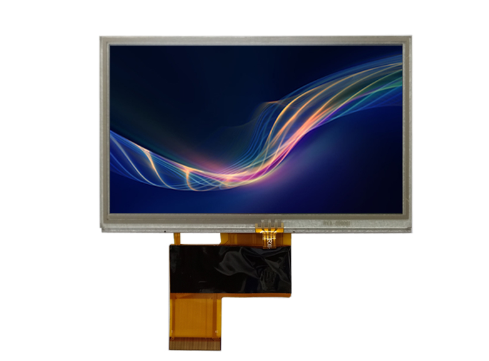
Temperature Resistance and Thermal Stability
Outdoor equipment often operates in environments where temperatures can
vary dramatically between day and night, or across seasons. LCD display screens
must be able to function reliably under both high and low temperature
conditions.
Typical commercial displays operate within a range of 0°C to 50°C, but
outdoor applications often require:
Extended operating range: -20°C to 70°C or wider
Storage temperature range: even broader to handle transportation and
downtime
At low temperatures, LCD response times can slow down, leading to ghosting
or lag. At high temperatures, backlight degradation and color distortion may
occur. To address these issues, industrial-grade LCD display screens often
incorporate:
Specialized liquid crystal materials
Temperature compensation circuits
Efficient thermal management design
Selecting a display with proven thermal stability ensures consistent
performance in harsh outdoor environments.
Protection Against Water, Dust, and Contaminants
Outdoor installations expose equipment to rain, humidity, dust, and
sometimes chemical contaminants. Therefore, ingress protection is a critical
consideration.
An outdoor LCD display screen should be designed with appropriate sealing
and protection levels, commonly defined by IP ratings such as:
IP65: Protection against dust and low-pressure water jets
IP67: Protection against temporary immersion in water
In addition to enclosure sealing, the display surface should be resistant
to water and easy to clean. For applications like public kiosks or industrial
controls, protective cover glass with waterproof touch capability is often
required.
Choosing a properly sealed and ruggedized LCD display screen significantly
reduces maintenance needs and extends product lifespan.
Touch Technology for Outdoor Interaction
Many outdoor devices rely on touch interaction, but not all touch
technologies perform equally well in harsh environments.
The two most common options are:
Projected Capacitive (PCAP) Touch
Supports multi-touch and modern user interfaces
Works well with optical bonding
Can be designed to function with gloves and moisture
Resistive Touch
Reliable in extreme conditions
Operable with any input (finger, stylus, gloves)
Typically lower optical clarity compared to PCAP
For most modern outdoor applications, PCAP touchscreens with waterproof and
glove-touch capabilities are preferred. However, in environments with heavy
contamination or extreme conditions, resistive touch may still be a practical
choice.
Mechanical Durability and Impact Resistance
Outdoor equipment is often subject to vibration, shock, and potential
physical impact. A fragile display can quickly become a point of failure.
To ensure durability, consider the following:
Strengthened cover glass (such as chemically reinforced glass)
Optical bonding, which enhances structural integrity
Robust housing design to absorb mechanical stress
In applications like construction machinery or transportation systems,
vibration resistance is especially important. A well-engineered LCD display
screen should maintain performance even under continuous mechanical stress.
Power Consumption and Efficiency
Outdoor equipment is frequently deployed in environments where power
availability is limited or where energy efficiency is a priority.
High-brightness displays typically consume more power, so balancing visibility
and efficiency is crucial.
Key considerations include:
LED backlight efficiency
Adaptive brightness control (automatic dimming based on ambient light)
Low-power display modes for standby operation
An optimized LCD display screen design can significantly reduce overall
system power consumption without compromising outdoor readability.
Interface Compatibility and Integration
Selecting the right LCD display screen also involves ensuring compatibility
with your system architecture. Industrial and outdoor equipment may use a
variety of interfaces, such as:
LVDS
RGB
MIPI
HDMI or DisplayPort (for more advanced systems)
Additionally, the display should integrate seamlessly with control boards,
embedded systems, and software platforms. Mechanical dimensions, mounting
methods, and connector positions must also align with the overall product
design.
Custom LCD display solutions are often beneficial in this context, as they
allow precise alignment with system requirements.
Long-Term Reliability and Supply Stability
Outdoor equipment typically has a long service life, often exceeding five
years. Therefore, display longevity and supply consistency are critical
factors.
When evaluating an LCD display screen, consider:
Backlight lifespan (commonly 30,000–70,000 hours or more)
Availability of long-term supply
Manufacturer support for customization and lifecycle management
Working with a reliable supplier ensures not only product quality but also
continuity in future production and maintenance.
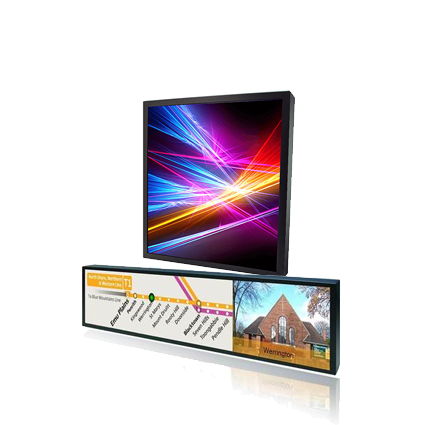
The Value of Custom LCD Display Solutions
Standard displays may not fully meet the complex requirements of outdoor
applications. Custom LCD display screens allow manufacturers to tailor key
parameters, including:
Brightness levels and optical enhancements
Touch functionality and cover glass design
Interface and mechanical structure
Environmental protection features
A customized approach ensures that the display is optimized for the exact
operating conditions, improving both performance and durability.
Conclusion
Selecting the best LCD display screen for outdoor equipment requires a
careful balance of optical performance, environmental durability, touch
usability, and system compatibility. High brightness, wide temperature
tolerance, robust protection, and reliable touch functionality are all essential
components of a successful outdoor display solution.
For manufacturers and system integrators, investing in the right display is
not just a technical decision—it directly impacts user experience, equipment
reliability, and long-term operational efficiency. By working with an
experienced LCD display screen provider and considering customization where
necessary, businesses can ensure their outdoor equipment performs consistently,
even in the most demanding environments.
If you are developing outdoor devices and need a display solution tailored
to your specific application, partnering with a professional manufacturer can
help you achieve both performance and reliability goals.


