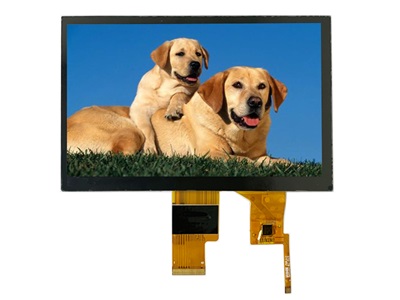
Selecting a suitable TFT LCD for industrial equipment is rarely a simple,
one-size-fits-all decision. Unlike consumer electronics, industrial systems
often operate in demanding environments where reliability, longevity, and
readability directly affect performance and safety. Whether the display is
integrated into a control panel, a medical device, or outdoor machinery,
choosing the right TFT LCD requires a clear understanding of both technical
parameters and real-world application conditions.
A well-chosen display does more than show data—it enhances usability,
reduces operator error, and ensures consistent performance over time. The
following sections break down the key factors engineers and procurement
professionals should evaluate when selecting a TFT LCD for industrial use.
Understanding the Application Environment
Before diving into specifications, it is essential to define where and how
the display will be used. Industrial environments vary significantly, and each
imposes different requirements on the TFT LCD.
For example, equipment installed outdoors must withstand direct sunlight,
rain, and wide temperature fluctuations. In contrast, factory-floor systems may
face dust, vibration, and electromagnetic interference. Medical or laboratory
devices, on the other hand, often demand high color accuracy and strict
reliability standards.
Understanding these conditions helps narrow down critical requirements such
as brightness, sealing level, operating temperature range, and mechanical
durability. Skipping this step often leads to mismatched displays that
underperform or fail prematurely.
Display Size and Resolution Considerations
Choosing the right size and resolution is not only about aesthetics but
also about usability and interface clarity. A display that is too small may
limit readability, while an oversized panel can increase costs and power
consumption unnecessarily.
In industrial applications, common TFT LCD sizes range from 3.5 inches to
15 inches or larger, depending on the complexity of the user interface. For
simple control panels, lower resolutions may suffice. However, for systems that
display detailed graphics, real-time data, or multiple parameters, higher
resolution becomes essential.
It is also important to match the resolution with the processing capability
of the system. Over-specifying resolution without adequate processing support
can result in lag or inefficient performance.

Brightness and Sunlight Readability
Brightness is one of the most critical parameters for industrial TFT LCDs,
especially in outdoor or high-ambient-light environments. Standard displays
designed for indoor use typically offer brightness levels around 250–350 nits,
which are insufficient under direct sunlight.
For outdoor applications, high-brightness TFT LCDs—often exceeding 800 nits
or even 1000 nits—are recommended. In addition to brightness, technologies such
as anti-glare coatings, optical bonding, and transflective panels can
significantly improve visibility.
Ignoring sunlight readability can render even the most advanced system
unusable in real-world conditions, making this a key consideration during
selection.
Viewing Angle and Display Technology
Not all TFT LCD panels deliver the same viewing performance. The underlying
panel technology—such as TN (Twisted Nematic), IPS (In-Plane Switching), or VA
(Vertical Alignment)—affects viewing angles, color consistency, and
contrast.
For industrial equipment where operators may view the screen from different
positions, IPS panels are often preferred due to their wide viewing angles and
stable color reproduction. TN panels, while more cost-effective, typically offer
narrower viewing angles and may not be suitable for critical display
applications.
Choosing the appropriate panel type ensures that information remains clear
and accurate regardless of the viewing position.
Touchscreen Integration: Capacitive vs Resistive
Many industrial TFT LCDs are paired with touch functionality, which
introduces another layer of decision-making. The two most common touch
technologies are capacitive and resistive.
Capacitive touchscreens provide a smooth, responsive user experience and
support multi-touch gestures. They are widely used in modern interfaces but may
require gloves designed for capacitive operation.
Resistive touchscreens, on the other hand, can be operated with gloves,
styluses, or any object. This makes them suitable for harsh environments or
applications where precision input is needed under less controlled
conditions.
The choice depends largely on the operating environment and user
interaction requirements.
Interface Compatibility and Integration
A TFT LCD must integrate seamlessly with the system’s hardware and
software. Common interface options include SPI, RGB, LVDS, and MIPI. Each
interface offers different advantages in terms of data speed, pin count, and
complexity.
For example, SPI is simple and suitable for smaller displays with lower
data requirements, while LVDS and MIPI are better suited for high-resolution
displays requiring fast data transmission.
Selecting the wrong interface can complicate system design, increase
development time, and lead to compatibility issues. Therefore, it is important
to align the display interface with the system architecture from the outset.
Durability and Reliability in Harsh Conditions
Industrial environments demand displays that can withstand mechanical
stress, temperature extremes, and prolonged operation. Key reliability factors
include:
Wide operating temperature range (e.g., -20°C to +70°C or higher)
Resistance to vibration and shock
Protection against dust and moisture (IP rating)
Long backlight lifespan
In many cases, additional enhancements such as conformal coating or rugged
enclosures are used to further improve durability. Investing in a robust TFT LCD
reduces maintenance costs and minimizes downtime over the product lifecycle.
Power Consumption and Efficiency
Power efficiency is another important consideration, particularly for
battery-powered or energy-sensitive applications. Higher brightness and larger
displays typically consume more power, which may impact system design.
Balancing performance with power consumption is essential. Engineers often
need to evaluate trade-offs between brightness, size, and energy efficiency to
achieve optimal system performance.
Customization Options for Industrial Needs
Standard TFT LCD modules may not always meet specific industrial
requirements. Customization plays a crucial role in adapting displays to unique
applications.
Common customization options include:
Custom backlight brightness levels
Interface modification
Touch panel integration
Optical bonding for improved durability and readability
Mechanical design adjustments
Working with a supplier that offers flexible customization services allows
businesses to develop solutions tailored precisely to their equipment and
operational needs.

Supplier Selection and Long-Term Support
Choosing the right TFT LCD is not just about the product—it also involves
selecting a reliable supplier. Industrial projects often require long product
lifecycles, consistent quality, and ongoing technical support.
A professional supplier should be able to provide:
Stable supply and long-term availability
Engineering support during integration
Customization capabilities
Quality assurance and certifications
Establishing a strong partnership with a trusted manufacturer ensures
smoother project execution and reduces risks associated with component shortages
or design changes.
Final Thoughts
Selecting the right TFT LCD for industrial applications requires a careful
balance of performance, durability, and integration considerations. From
environmental conditions and brightness requirements to interface compatibility
and supplier reliability, every factor plays a role in determining the success
of the final product.
A thoughtful selection process not only enhances system functionality but
also contributes to long-term operational efficiency. For businesses developing
industrial equipment, investing time in choosing the right display solution is a
decision that pays off throughout the entire lifecycle of the product.
If you are looking for a reliable TFT LCD solution tailored to industrial
environments, working with an experienced manufacturer can help you achieve the
right balance between performance, customization, and cost.