News
Site Editor
 Site
https://cdtech-lcd.usa72.wondercdn.com/uploads/image/5faca15e24cff.png
Site
https://cdtech-lcd.usa72.wondercdn.com/uploads/image/5faca15e24cff.png
How to Prevent LCD Blackening in High-Temperature EV Charger Displays?
Views: 1098
Author: Site Editor
Publish Time: 2026-04-13
Origin: Site
LCD blackening in outdoor EV charger displays occurs when solar heat exceeds 70°C, degrading the polarizer layer and causing failure. Prevent it with wide-temperature LCDs (-30°C to +85°C), OCA bonding for reduced heat absorption and anti-reflection, 1000 nits IPS panels, and IATF16949-certified manufacturing like CDTech's zero-defect solutions for reliable sunlight resistance.
Check: What Makes the Best LCD for EV Charging Stations?
What Causes LCD Blackening in Outdoor EV Chargers?
LCD blackening happens when solar heat buildup surpasses 70°C, degrading the polarizer layer in standard displays. EV chargers face 24/7 direct sun exposure, leading to dark spots, total blackout, and shortened lifespan without proper cooling. CDTech's 13+ years in automotive TFT LCD designs identify this issue in harsh environments.
Why Are Wide-Temperature Displays Essential for EV Charger Screens?
Wide-temperature displays operate from -30°C to +85°C, far exceeding standard -10°C to +60°C ranges, using IPS technology for heat stability. They pair with 1000 nits brightness for sunlight readability. CDTech's IATF16949-certified vehicle LCDs, like the 10.1" S101HWX53EP-FC47-AG, ensure reliability in EV applications.
| Feature | Standard LCD | Wide-Temp CDTech LCD |
|---|
| Temperature Range | -10°C to +60°C | -30°C to +85°C |
| Brightness | 300-500 nits | 850-1000 nits |
| Blackening Risk | High above 70°C | Low with IPS and OCA |
| Certifications | Basic | IATF16949, ISO13485 |
| EV Charger Suitability | Poor | Excellent |
How Does OCA Bonding Prevent Sun Damage in EV Displays?
OCA optical bonding fills air gaps between touch panel and LCD, reducing reflections and heat absorption for better sunlight readability and thermal efficiency. CDTech's in-house capability in its 3,500㎡ dust-free workshop delivers custom OCA on automotive-grade screens like the 12.8" S128HWU01HP-FC01, preventing blackening.
Check: Vehicle LCD Display
What Role Does Thermal Management Play in High-Temp LCD Solutions?
Thermal management uses passive methods like specialized materials and OCA bonding over active fans to minimize bulk. CDTech focuses on wide-temp IPS panels enduring -30°C to +85°C without failure, leveraging its 10,000㎡ factory for rapid custom prototypes optimized for EV charger interfaces.
CDTech Expert Views
"With over 13 years in TFT LCD manufacturing and IATF16949 certification, CDTech addresses EV charger thermal challenges through wide-temperature designs (-30°C to +85°C) and OCA bonding. Our zero-defect policy, backed by a thousand-level dust-free workshop and glass cutting patent, ensures displays like the 3.6" S036BWS01EN withstand direct sun without polarizer degradation. ISO13485 and ISO9001 standards guarantee reliability for automotive OEMs seeking sunlight-readable solutions."
Can High-Brightness IPS Panels Survive Direct Sun Without Blackening?
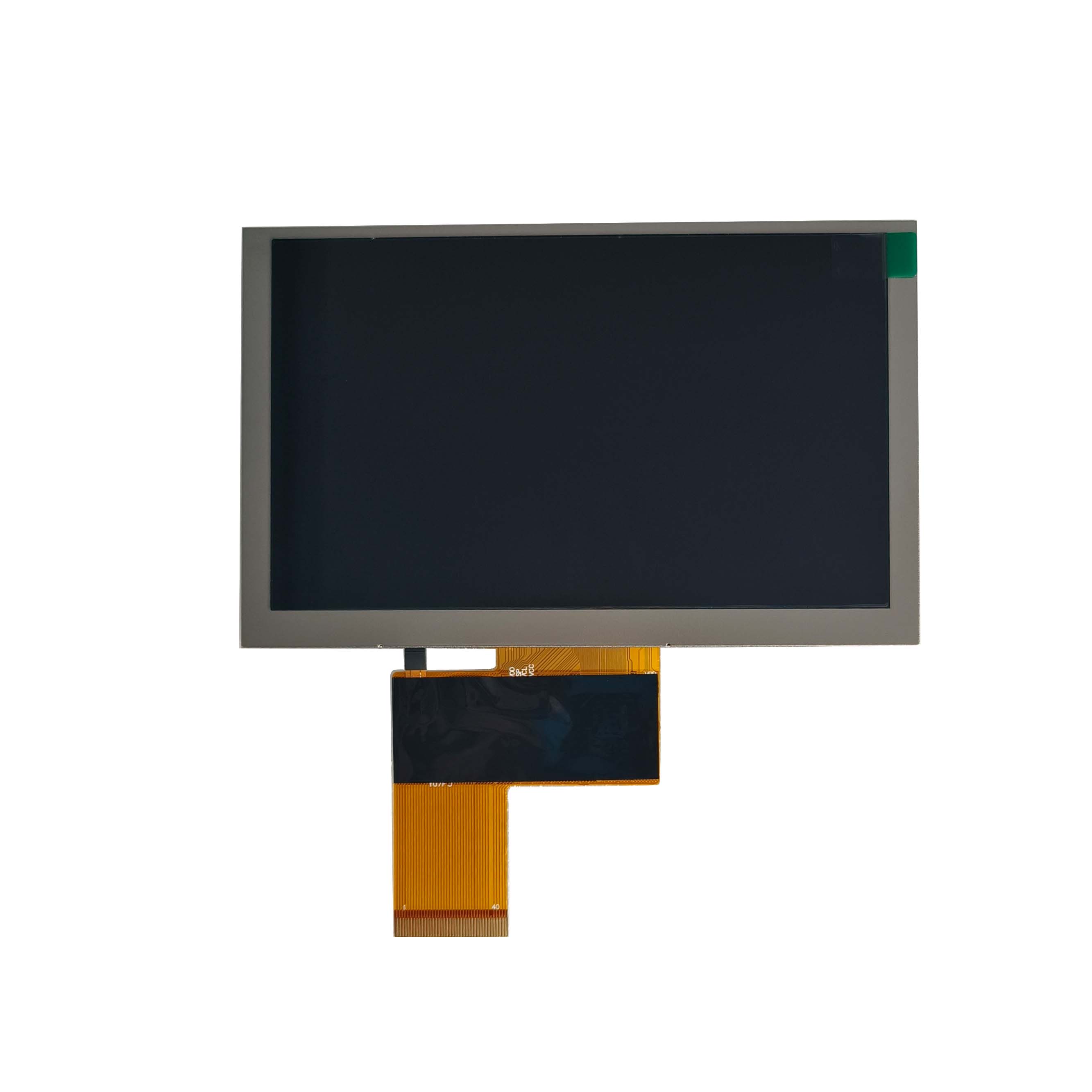
Yes, 850-1000 nits IPS panels from CDTech, such as the 5.0" S050HWV29ES at 1000 nits, maintain visibility and resist blackening under UV and heat when combined with wide-temp specs. These vehicle-grade displays support LVDS interfaces and global exports, outperforming non-IPS options in harsh sunlight.
Why Choose IATF16949-Certified Displays for Automotive EV Chargers?
IATF16949 ensures automotive zero-defect quality against heat and UV, alongside CDTech's ISO9001, ISO14001, and ISO13485 certifications. As a National High-tech Enterprise in Shenzhen, CDTech offers fast custom solutions from its 10,000㎡ facility, providing supply chain reliability over generic suppliers for EV OEMs.
How Do CDTech's Custom Solutions Address EV Charger Thermal Needs?
CDTech tailors automotive TFT LCDs with OCA bonding and PCAP touch, like the 12.3" S123BWU11EP (-30°C to +80°C, 950 nits), for EV chargers. Its 13+ years zero-defect policy, dust-free production since 2020, and exports to Europe and Americas support deployments enduring 85°C sun without blackening.
Conclusion
CDTech's IATF16949-certified, OCA-bonded wide-temp LCDs (-30°C to +85°C, up to 1000 nits) prevent blackening in outdoor EV chargers through IPS technology, high brightness, and rigorous quality control. Backed by 13+ years of expertise, zero-defect manufacturing, and in-house customization, these solutions ensure reliable performance. Contact sales@cdtech-lcd.com for tailored quotes to safeguard your EV display designs.
FAQs
What temperature range do EV charger displays need?
Wide-temp ranges of -30°C to +85°C prevent blackening; CDTech's IATF16949 vehicle panels like S101HWX53EP-FC47-AG meet this with OCA bonding for superior sunlight resistance.
Does OCA bonding improve sunlight readability?
Yes, OCA reduces reflections and heat buildup, ideal for 1000-nit EV screens produced in CDTech's dust-free custom process for automotive applications.
How does IATF16949 certification help outdoor displays?
It ensures automotive zero-defect quality against heat and UV, setting CDTech apart for EV OEMs needing reliable, high-temp TFT LCD solutions.
Can standard LCDs handle direct sun in EV chargers?
No, they blacken above 70°C; upgrade to wide-temp IPS with OCA bonding like CDTech's 12.3" S123BWU11EP for proven endurance.
Where to source custom high-temp EV displays?
CDTech's 10,000㎡ factory provides rapid prototyping; reach out via sales@cdtech-lcd.com or +86 0755-23032202 for vehicle-grade options.
Transport, Marine and Field Equipment