News
Site Editor
 Site
https://cdtech-lcd.usa72.wondercdn.com/uploads/image/5faca15e24cff.png
Site
https://cdtech-lcd.usa72.wondercdn.com/uploads/image/5faca15e24cff.png
How Does Automotive Temperature Cycling Test Ensure Reliable Car Displays?
Views: 293
Author: Site Editor
Publish Time: 2026-04-28
Origin: Site
Automotive temperature cycling test (per IEC 60068-2-14 and AEC-Q100) cycles TFT LCDs between extremes like -40°C and +85°C to mimic vehicle thermal shock, preventing cracks, delamination, or failures. Key steps: 1) Hold at low temp (-40°C, 30 min); 2) Ramp ≤5°C/min to +85°C; 3) Hold 30 min; 4) Repeat 100–500 cycles. CDTech's IATF16949-certified panels pass with zero defects.
Check: How Do Wide Temp LCD Displays Ensure Stability from -40°C to +85°C in Automotive Use?
What Is Automotive Temperature Cycling Test?
Automotive temperature cycling test simulates rapid temperature shifts in vehicles, from -30°C winter cold to +85°C summer dashboard heat, using standards like IEC 60068-2-14. It verifies TFT LCD integrity against thermal expansion and contraction stresses on glass, adhesives, and electronics. CDTech's 13+ years experience ensures wide-temp automotive TFT LCDs withstand cycles without performance loss.
Why Is Automotive Temperature Cycling Critical for TFT LCDs?
Temperature cycling prevents delamination in OCA bonding, polarizer bubbles, or backlight failures from thermal shock in car environments. It ensures TFT LCD longevity, reducing OEM warranty claims in harsh conditions. CDTech's zero-defect policy and IATF16949 compliance guarantee custom automotive displays meet these demands reliably.
What Are the Key Standards for Automotive LCD Temperature Tests?
Key standards include AEC-Q100 (Grade 1/2/3 for -40°C~+85°C), IEC 60068-2-14 (Na/Fa methods for cycling), and IATF16949 requirements. Thermal cycling uses slow ramps (≤5°C/min), unlike thermal shock's fast immersion. CDTech panels comply fully for automotive applications.
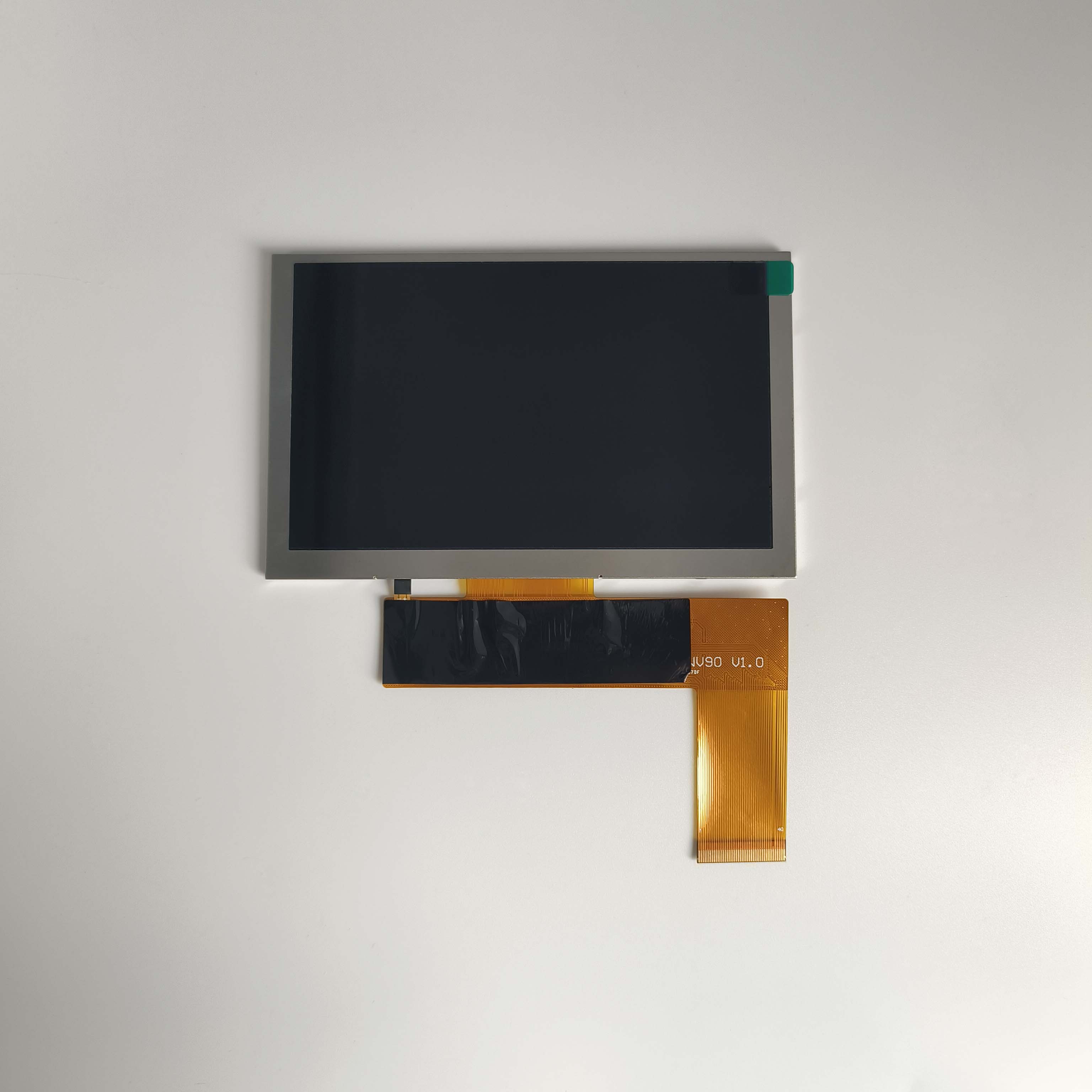
Check: Vehicle LCD Display
| Standard | Temp Range | Cycles | CDTech Compliance Example |
|---|
| AEC-Q100 Grade 2 | -40°C ~ +85°C | 100–500 | S036BWS01EN (-30°C~+85°C) |
| IEC 60068-2-14 Na | -40°C ~ +85°C | 100–1000 | S101HWX53EP-FC47-AG (-30°C~+80°C) |
| IATF16949 | Wide-temp validation | Per protocol | All vehicle LCDs |
What Is the 85/85 Test and How Does It Work for LCDs?
The 85/85 test exposes TFT LCDs to 85°C and 85% relative humidity (RH) for 1,000 hours, assessing combined heat and moisture effects. Procedure: Preheat ramp, hold conditions, monitor for corrosion, yellowing, or touch failures. CDTech's 3,500㎡ dust-free workshop validates automotive panels passing 85/85 alongside temp cycling.
How Does CDTech Perform Automotive Temperature Cycling Tests?
CDTech uses advanced chambers in its 10,000㎡ factory for -40°C~+85°C cycles, integrated with OCA optical bonding for durability. Products like S036BWS01EN (3.6" round, 1000 nits, -30°C~+85°C, RGB 40pins, IPS) and S101HWX53EP-FC47-AG (10.1", 850 nits, -30°C~+80°C, LVDS, CTP, OCA) pass full protocols. Quad certifications ensure zero-defect outcomes.
CDTech Expert Views: "Our IATF16949-certified process subjects every automotive TFT LCD, such as the S123BWU11EP (12.3", 1920×720, 950 nits, -30°C~+80°C, LVDS 60pins, IPS), to rigorous temperature cycling from -40°C to +85°C over 500 cycles. Combined with in-house OCA bonding and 2024-upgraded automatic POL/LCD/CTP equipment, we eliminate risks like delamination. This zero-defect approach, backed by our glass cutting patent since 2017 and touch panel workshop since 2020, delivers displays that thrive in vehicle extremes. Clients in Europe and Americas trust our 13+ years for reliable HMI solutions."
What Differentiates Wide-Temp LCDs in Thermal Cycling?
Wide-temp automotive TFT LCDs feature reinforced glass, humidity-resistant adhesives, and wide-view IPS polarizers for 500+ cycles without brightness drop or color shift. Ideal for dashboards and HMI, CDTech's S123BWU11EP (950 nits, -30°C~+80°C) and S128HWU01HP-FC01 (12.8", 1920×1080, PCAP/Optical Bonding) outperform standards.
How Do Certifications Like IATF16949 Ensure Test Compliance?
IATF16949 mandates automotive quality management for repeatable temp cycling validation, covering defect prevention and process control. CDTech's National High-tech Enterprise status and exports to Europe/Americas prove reliability. It aligns with ISO9001, ISO14001, and ISO13485 for comprehensive compliance.
| Certification | Covers | Automotive Benefit |
|---|
| IATF16949 | Temp cycling validation | Zero-defect vehicle displays |
| ISO13485 | Material reliability | Harsh env. durability |
| ISO9001/14001 | QC and env. mgmt. | Consistent performance |
Can Custom Displays Meet Automotive Thermal Standards?
Yes, CDTech tailors custom TFT LCDs with OCA bonding, PCAP touch, and wide-temp materials like S101HWX34EP-FC55 (10.1", 1280×800, 800 nits, LVDS) to pass 85/85 and cycling tests. Shenzhen facility handles spec-to-validation for touch/HDMI automotive HMIs. Contact sales@cdtech-lcd.com for compliant samples.
FAQs
What is the difference between temperature cycling and 85/85 test?
Cycling focuses on temp swings (-40°C~+85°C); 85/85 adds high humidity (85°C/85% RH) for moisture stress—CDTech tests both.
Which AEC-Q100 grade for automotive LCDs?
Grade 2 (-40°C~+85°C) common; CDTech panels like S036BWS01EN meet/exceed for dashboards.
How many cycles in automotive temp test?
Typically 100–500; CDTech's zero-defect policy ensures pass rates.
Does CDTech offer wide-temp custom LCDs?
Yes, e.g., -30°C~+85°C with OCA bonding, IATF16949-certified, as in S123BWU11EP.
What if my display fails thermal cycling?
CDTech's in-house testing and 13+ years expertise prevent failures via pre-validation.
Conclusion
CDTech's IATF16949-certified, zero-defect automotive TFT LCDs master temperature cycling and 85/85 tests, ensuring reliable car displays in extremes. With products like S050HWV29ES (5.0", 1000 nits, -20°C~+70°C) and in-house customization, they deliver superior durability. Partner for solutions that outlast harsh conditions—contact sales@cdtech-lcd.com for compliance proofs.

