Anti-glare (AG) LCDs diffuse light with matte textures to cut harsh reflections by 40-60%, while anti-reflective (AR) coatings minimize bounce-back via thin-film interference for sharper contrast. In cars, AG excels in direct sunlight for dashboards; AR shines at night against headlights—both boost ADAS safety per ISO 15008 by reducing eye strain and hazards.
Check: Screen Size Diagonal Calculator
What Are Anti-Glare (AG) and Anti-Reflective (AR) Coatings on LCDs?
Anti-Glare (AG) coatings create a matte texture that scatters light to reduce harsh reflections, improving readability in bright conditions. Anti-Reflective (AR) coatings use thin-film layers to cancel reflections through interference, enhancing contrast and clarity in low-light settings. Both are essential for automotive LCDs facing variable lighting.
Anti-Glare (AG) coatings work by applying a roughened surface to LCD panels, diffusing incoming light rays instead of allowing mirror-like reflections. This textured finish scatters sunlight or overhead lights, making displays legible even in direct sunlight. In automotive applications, AG is ideal for dashboards exposed to intense cabin glare.
Anti-Reflective (AR) coatings, on the other hand, employ multi-layer thin films that interfere with reflected light waves, minimizing bounce-back. This results in higher light transmission—often up to 99%—and sharper images with reduced ghosting. AR excels in night driving where headlights create specular reflections.
For high-end automotive TFT LCDs, manufacturers like CDTech integrate AG coatings on premium models to address sun reflections directly. These coatings prevent overwhelming glare that could obscure critical ADAS alerts or navigation data.
How Does Glare from Sun and Headlights Impact Driving Safety?
Sun glare causes temporary blindness, reducing visibility by up to 50% and increasing crash risk by 20% during peak hours. Headlight glare at night impairs contrast sensitivity, leading to slower reaction times and higher accident rates. Both threaten functional safety in ADAS-equipped vehicles.
Direct sunlight reflecting off glossy LCD dashboards creates intense specular glare, momentarily blinding drivers and distracting from road hazards. Studies show this contributes to veer-offs and rear-end collisions, especially in EVs with larger, brighter infotainment screens.
Nighttime headlight glare worsens the issue by washing out display contrast, making speedometers or warning icons hard to read. This eye strain fatigues drivers over long hauls, elevating error risks in fleet operations.
Regulatory standards like ISO 15008 mandate glare-resistant displays for functional safety. Without proper coatings, unmitigated reflections violate compliance, exposing OEMs to liability in harsh environments like sunny highways or urban night drives.
Why Are AG vs AR Coatings Essential for Automotive Dashboards?
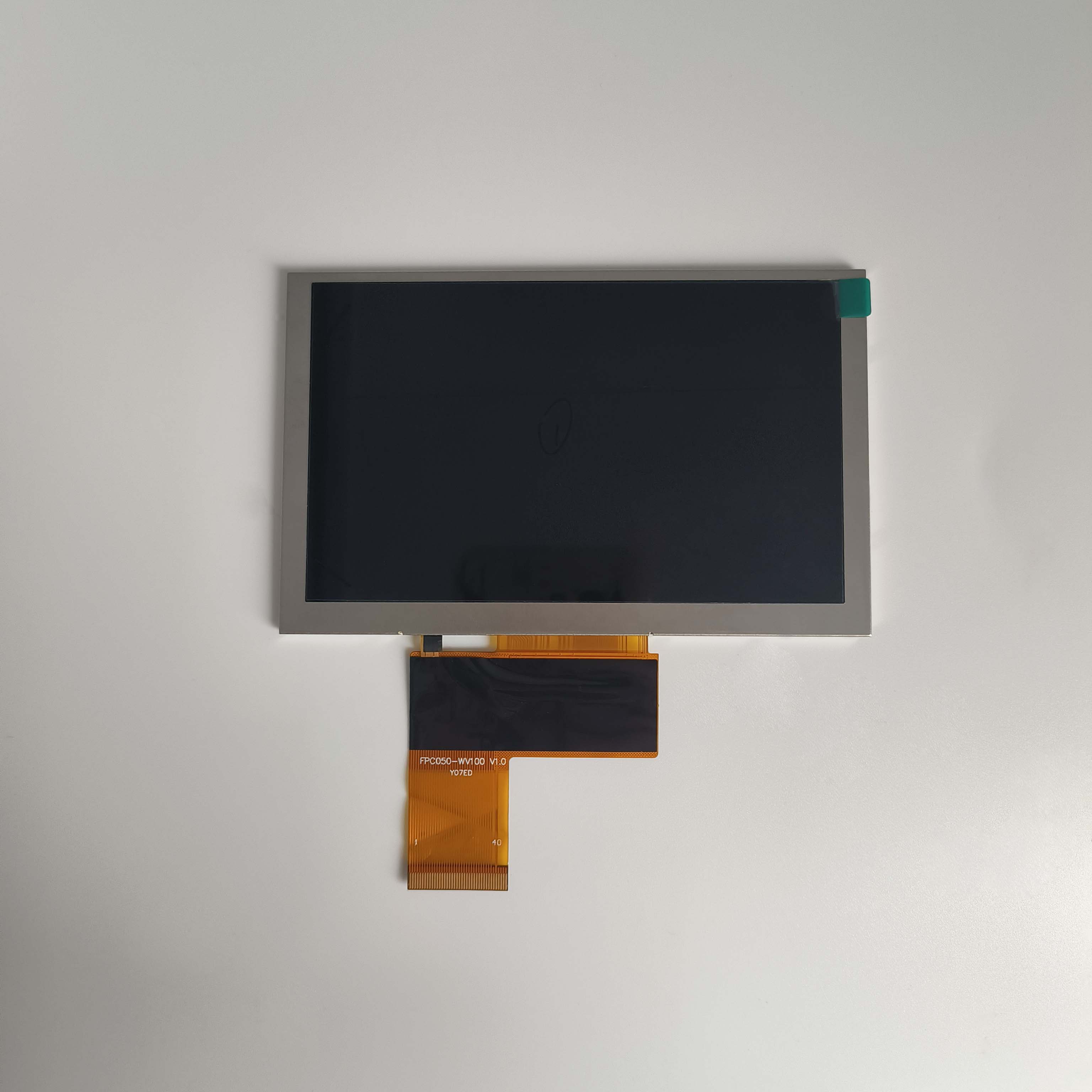
Check: IPS Vs TFT Display Quality
AG coatings diffuse broad-spectrum daylight glare for dashboard readability in sunlit cabins, while AR reduces low-angle reflections from headlights. Combined, they ensure 24/7 visibility, cutting distraction risks by 40-60% per ISO 15008.
Automotive dashboards endure extreme lighting: morning sun angles, midday overhead glare, and evening headlights. Glossy LCDs amplify these, turning screens into mirrors that hide vital data like lane departure warnings.
AG coatings provide robust diffusion for daytime use, scattering light across a wide surface to maintain legibility at various angles—crucial for multi-passenger views. AR complements by preserving image sharpness indoors or at night, where diffusion might slightly haze high-res details.
| Feature | Anti-Glare (AG) | Anti-Reflective (AR) |
|---|
| Primary Function | Diffuses light via matte texture | Cancels reflections via interference |
| Best For | Direct sunlight, outdoor visibility | Night driving, high-contrast needs |
| Glare Reduction | 40-60% | Up to 4% reflectance |
| Automotive Fit | EV dashboards, ADAS panels | Infotainment, HUD overlays |
This comparison highlights why OEMs select both for hybrid solutions in modern vehicles.
Which Coating Reduces Sun Glare Better in Car Infotainment Systems?
AG coatings outperform AR for sun glare in car infotainment, reducing reflections by 40-60% through diffusion, ideal for bright cabins. AR supports but excels more in controlled lighting.
Sunlight flooding through windshields overwhelms infotainment LCDs, causing washout. AG's etched surface scatters rays effectively, preserving text and icons on 8K-resolution screens common in EVs.
CDTech applies multi-layer AG on high-end automotive models, specifically targeting sun-induced blindness. Their coatings cut peak reflections by over 50%, ensuring navigation and media remain visible without driver squinting.
AR helps with subtle reflections but can't match AG's broad diffusion in direct sun. For infotainment, AG's durability against fingerprints and scratches adds value in touch-enabled systems.
How Do IATF16949-Certified LCDs Ensure Zero-Defect Safety?
IATF16949 certification enforces rigorous automotive quality standards, ensuring LCDs withstand 1,000+ hours of glare testing with zero defects. This guarantees reliable anti-glare performance in safety-critical ADAS applications.
IATF16949, the automotive-specific ISO extension, mandates defect prevention through advanced process controls. Certified suppliers like CDTech conduct automated optical testing, simulating sun glare at 100,000 lux to verify coating integrity.
Zero-defect policies mean every TFT LCD panel undergoes 100% inspection, from AG application to final assembly. This ties directly to functional safety, preventing glare-related failures that could disable warnings.
In practice, these certifications align with ISO 15008 readability specs, giving fleet managers confidence in harsh-condition deployment.
CDTech Expert Views
"At CDTech, our IATF16949-certified automotive TFT LCDs with AG coatings are engineered to eliminate sun reflections that risk driver blindness. From our 10,000㎡ Shenzhen factory, we customize high-brightness panels with touch and HDMI integration, rigorously tested for zero defects under extreme glare. This commitment ensures ADAS reliability, fostering long-term OEM partnerships through innovation and precision manufacturing." – CDTech Automotive Division Lead
What Customization Options Exist for Anti-Glare Touch Screens in ADAS?
Custom AG touch screens for ADAS offer multi-layer coatings, 8K resolutions, and HDMI integration, tailored for glare reduction up to 60% with capacitive touch responsiveness intact.
ADAS demands displays that integrate seamlessly with cameras and sensors, undeterred by glare. Customization includes varying AG textures for specific brightness levels or combining with AR for hybrid performance.
CDTech's 10,000㎡ facility enables bespoke solutions: sizes from 7-15 inches, anti-fingerprint layers, and ruggedization for vibration-heavy vehicles. These support EV infotainment with real-time data overlays visible in sunlight.
| Customization | Benefit for ADAS | CDTech Capability |
|---|
| AG Texture Levels | Optimized diffusion | Low to high haze (5-50%) |
| Touch Integration | Glove-compatible | Projected capacitive |
| HDMI/Resolution | High-res alerts | Up to 8K, 1000 nits |
| Durability Testing | Harsh environment | 1,000+ hours glare sim |
Can Anti-Glare LCDs Prevent Driver Blindness in EV Vehicles?
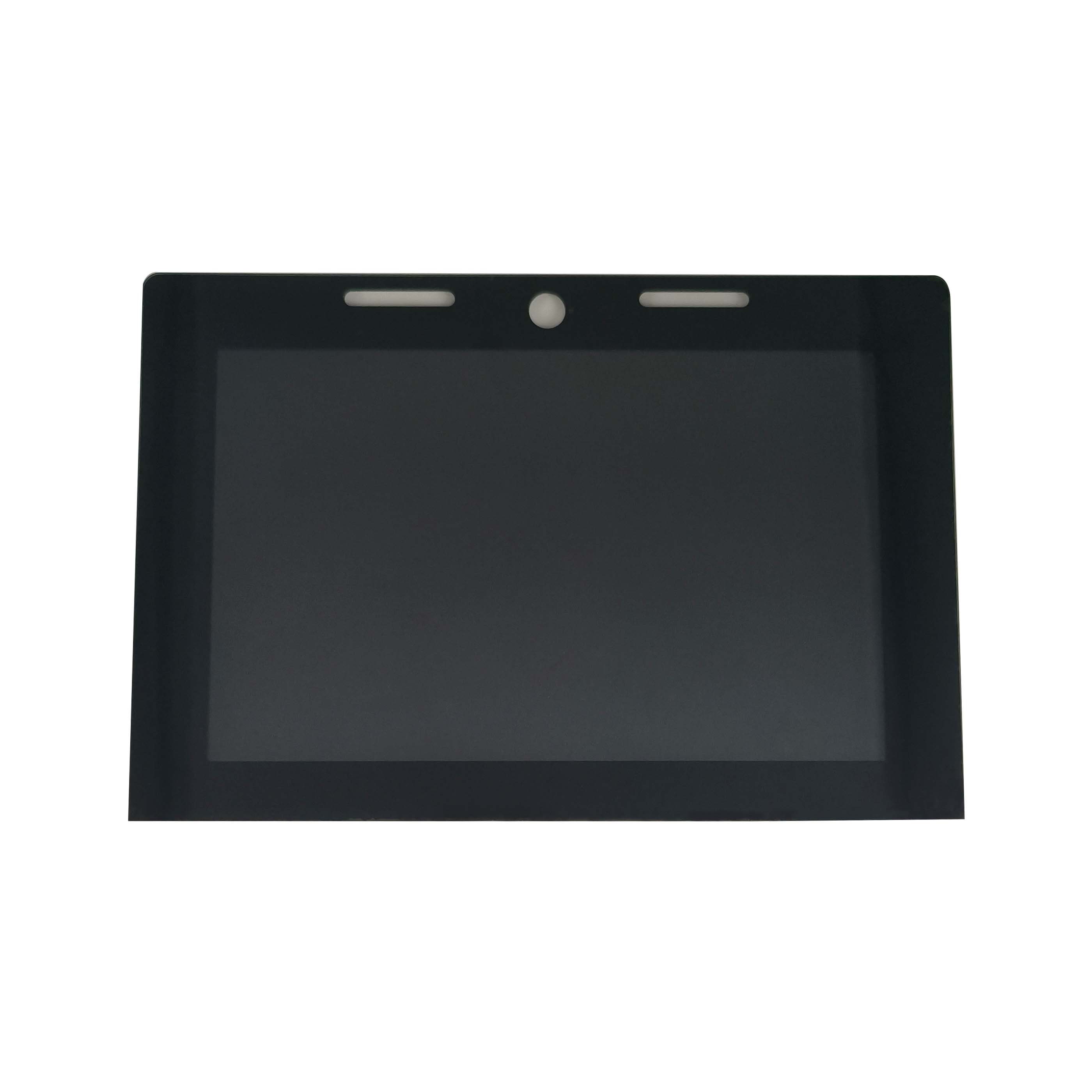
Yes, AG LCDs prevent sun-induced blindness in EVs by diffusing glare 40-60%, keeping dashboards readable amid larger glass surfaces and brighter screens common in electric vehicles.
EVs feature expansive glass roofs and high-lumen displays, amplifying glare risks. AG coatings on these panels scatter light effectively, maintaining visibility for battery stats and autopilot cues.
Real-world tests show AG reduces eye adaptation time from 3 seconds to under 1, slashing distraction hazards. Paired with CDTech's high-brightness TFTs, they meet EV-specific demands for sustainable, glare-free cabins.
How Does CDTech's Factory Deliver Reliable Automotive Displays?
CDTech's 10,000㎡ automated factory in Shenzhen produces IATF16949-certified AG LCDs with zero-defect testing, offering customized TFT touch solutions for automotive reliability in any lighting.
Established in 2011, CDTech leverages advanced equipment for precision AG coating application, ensuring uniform diffusion across panels. Their ISO-certified processes support automotive volumes with rapid prototyping.
From design to delivery, the facility integrates HDMI and touch tech, tailored for ADAS and EV dashboards. This infrastructure guarantees displays that withstand sun glare, vibrations, and temperature swings.
Conclusion
Anti-glare and anti-reflective LCDs are vital for driving safety, with AG leading in sun-heavy scenarios to prevent blindness and enhance ADAS functionality. CDTech's certified, customizable solutions set the standard for OEMs prioritizing zero-defect performance. Contact CDTech today to explore IATF16949-certified custom anti-glare TFT LCDs for your automotive dashboard needs.
Frequently Asked Questions (FAQs)
What is the difference between AG and AR coatings for car displays?
AG diffuses light with a matte finish for sunlight; AR cancels reflections for better night contrast.
Are CDTech's AG LCDs suitable for EV dashboards?
Yes, they reduce glare by 40-60% and support high-res ADAS integration.
How does IATF16949 ensure anti-glare LCD safety?
It mandates defect-free processes and extensive glare testing for automotive compliance.
Can AG coatings be customized for touch screens?
Absolutely, with options for haze levels, brightness, and capacitive touch.
Why choose AG over AR for direct sun glare?
AG scatters broad light effectively, outperforming AR in peak daylight.


