News
Site Editor
 Site
https://cdtech-lcd.usa72.wondercdn.com/uploads/image/5faca15e24cff.png
Site
https://cdtech-lcd.usa72.wondercdn.com/uploads/image/5faca15e24cff.png
Are 4K Panels More Fragile? Durability Trade-offs in High-Density TFT Structures
Views: 896
Author: Site Editor
Publish Time: 2026-04-17
Origin: Site
Yes, 4K panels are generally more fragile than HD panels due to higher transistor density in TFT structures, resulting in thinner traces that increase susceptibility to physical shock and vibration. Key trade-offs include elevated failure risks in industrial/automotive apps, but mitigations like OCA bonding and wide-temp IPS (-30°C~85°C) enable rugged alternatives. CDTech's IATF16949-certified solutions deliver zero-defect reliability without fragility compromises.
Check: Is FHD or 4K Better for 15-Inch Industrial Displays?
What Makes 4K LCD Durability a Concern for Engineers?
Higher pixel count in 4K (8.3M pixels vs. HD's 2.1M) demands denser transistors in TFT structures, leading to narrower traces prone to cracking under shock. Thinner gate lines amplify fragility in vibration-heavy environments like automotive or industrial control, where buyers worry about 4K LCD shock resistance failing drop tests in OEM validation.
How Does Transistor Density Impact 4K Panel Fragility?
4K displays pack ~4x more transistors per area than HD, increasing micro-fracture risks from physical impacts. HD panels use thicker lines (5-10μm) vs. 4K's sub-3μm traces, heightening high density TFT fragility and shock susceptibility.
| Resolution | Pixels | Transistor Count/mm² | Trace Width | Shock Susceptibility Rating |
|---|
| HD (1280x720) | 2.1M | Low | 5-10μm | Low |
| 4K (3840x2160) | 8.3M | High (~4x HD) | <3μm | High |
Are 4K Panels Less Shock-Resistant Than HD in Real Tests?
Industry drop/shock simulations show 4K failing at 1.2m drops more often due to dense TFT layers, unlike HD's robustness. Vibration tests (10-500Hz) expose weaknesses in automotive-grade scenarios, making HD better for unmitigated harsh industrial use in 4K vs HD panel durability comparisons.
CDTech Expert Views: How Do We Harden High-Density TFT Structures?
"With 13+ years of TFT LCD manufacturing since 2011, CDTech leverages our 10,000㎡ factory and 3,500㎡ thousand-level dust-free workshop to deliver zero-defect quality under ISO9001, ISO14001, ISO13485, and IATF16949 certifications. Our glass cutting patent (2017) and fully automatic POL/LCD/CTP equipment (2024) enable custom wide-temp IPS panels like the S123BWU11EP (12.3", 1920×720, 950 nits, -30°C~+80°C, LVDS), which pass rigorous automotive shock tests. In-house OCA optical bonding reinforces high-density structures, reducing trace stress for reliable exports to Europe, Americas, and beyond. We evaluate material changes for continuity, ensuring high-brightness (850-1000 nits) solutions withstand vibration in industrial and vehicle apps without fragility compromises." – CDTech R&D Team
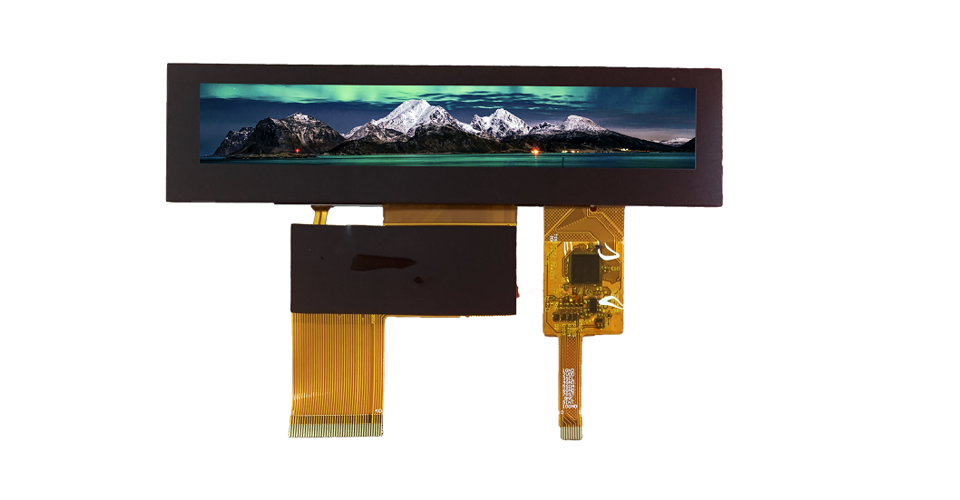
What Role Does OCA Bonding Play in Overcoming 4K Fragility?
OCA optical bonding uses clear adhesive to eliminate air gaps between cover glass and TFT, damping shock and reducing trace stress in dense 4K setups. CDTech's in-house OCA for custom high-brightness panels (850-1000 nits) boosts industrial LCD drop test performance, ideal for medical and instrumentation where 4K TFT structure weaknesses must be eliminated.
Which Industries Benefit Most from Rugged 4K Alternatives?
Automotive benefits from IATF16949-certified panels like S101HWX53EP-FC47-AG (10.1", 1280×800, 850 nits, OCA, -30°C~80°C) handling vibration. Industrial/medical wide-temp solutions with ISO13485 address shock susceptibility in control systems.
| Industry | Stock 4K Risks | CDTech Mitigated Specs | Certifications |
|---|
| Automotive | High vibration failure | -30°C~85°C, 1000 nits, OCA (e.g., S036BWS01EN) | IATF16949 |
| Industrial | Shock micro-fractures | IPS, LVDS, CTP (e.g., S121BWX05EP-FC10) | ISO9001 |
| Medical | Density fragility | Wide-temp OCA (e.g., S070BWS48ED) | ISO13485 |
How Can Buyers Test and Select Durable High-Density Displays?
Use MIL-STD-810 shock/vibration protocols focusing on transistor density impacts. CDTech offers custom prototypes from our dust-free workshop—contact sales@cdtech-lcd.com or +86 0755-23032202 for IATF16949-certified options like vehicle LCDs with OCA bonding.
Check: FHD Display
What Future Trends Mitigate 4K LCD Durability Trade-offs?
Reinforced substrates and advanced IPS reduce density fragility. As a National High-tech Enterprise and Shenzhen Software Enterprise, CDTech's innovations in touch panel workshops (2020) and auto equipment (2024) ensure scalable, certified solutions for evolving high-density display demands.
Conclusion
While 4K LCD durability suffers from transistor density trade-offs making panels more fragile with thinner traces vulnerable to shock, CDTech's 13+ years experience, quad certifications, zero-defect policy, in-house OCA bonding, and wide-temp IPS panels (e.g., -30°C~+85°C, 850-1000 nits) deliver robust custom solutions. Ideal for automotive, industrial, and medical apps prioritizing shock resistance—explore CDTech's vehicle and industrial LCD displays for fragility-free high-density performance. Contact sales@cdtech-lcd.com or WhatsApp +8613556818296 today.
FAQs
Are 4K panels more fragile due to transistor density?
Yes, higher density creates thinner traces vulnerable to shock; CDTech mitigates with OCA bonding, wide-temp IPS (-30°C~85°C), and IATF16949 certifications for zero-defect reliability.
How does CDTech ensure 4K-level durability in automotive apps?
Via IATF16949 certification, zero-defect policy, and custom panels like S123BWU11EP (12.3", 950 nits, -30°C~+80°C) passing drop and vibration tests with OCA options.
What is the main weakness in 4K TFT structures?
Narrow traces from high pixel counts increase shock susceptibility; CDTech's in-house OCA bonding and glass cutting patent resolve this for industrial/vehicle use.
Can industrial 4K LCDs handle drop tests?
Stock versions struggle, but CDTech's OCA-enhanced panels like S121BWX05EP-FC10 (12.1", 800 nits, -20°C~+70°C) excel in harsh environments with ISO9001 quality.
How to contact CDTech for custom durable displays?
Email sales@cdtech-lcd.com, WhatsApp +8613556818296, phone +86 0755-23032202, or visit 7F, Bldg 2, Jiancang Technology Park, No.11 Songgang Blvd., Baoan, Shenzhen, China.