Copyright © 2020-2021 Shenzhen CDTech Electronics LTD. All rights reserved. Site Map Powered by iwonder.cn

display / touch / bonding solutions
display / touch / bonding solutions
A display project entering Korea usually arrives with one question from the importer: which certificate do we need? The answer is rarely one document, because Korea separates electromagnetic compatibility from electrical product safety and different facts trigger each. A monitor with a built-in supply, a bare panel and a 12 V module can each land somewhere different. This guide separates the RRA route from the safety route by class and voltage, then lists what the applicant needs from the panel maker.
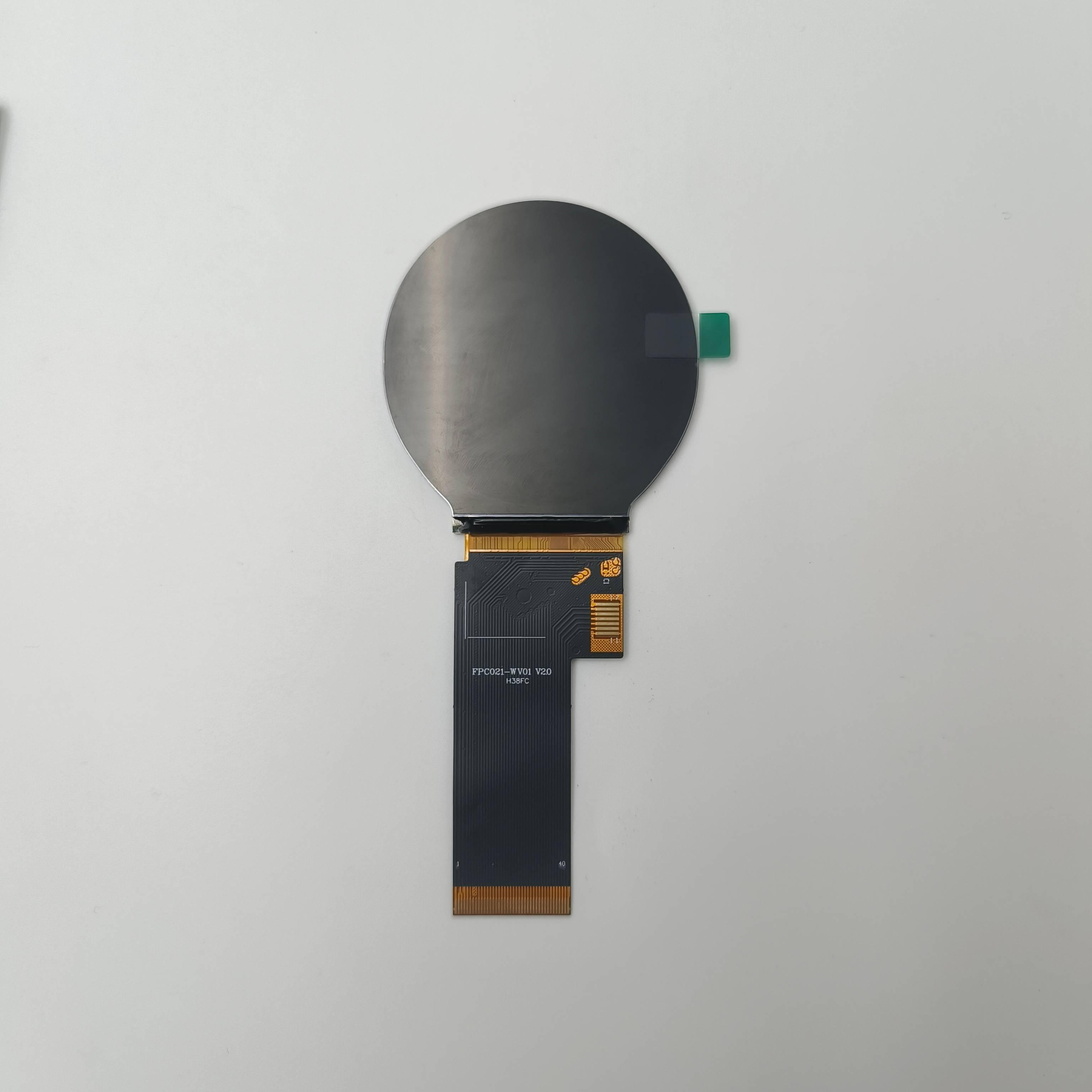
Two routes apply; the equipment class decides which one.
Korea runs EMC and electrical safety as separate regimes with separate applicants, so a display can need registration, certification, or both, depending on rated input and listed category.
Two obligations fall on a display product, and different bodies administer them. The Radio Research Agency (RRA), part of the Ministry of Science and ICT, runs conformity registration for electromagnetic compatibility and radio equipment. Electrical product safety sits under the Electrical Appliances and Consumer Products Safety Control Act, administered through the Korean Agency for Technology and Standards, which sorts products into safety certification, safety confirmation or a supplier's declaration by risk.
A finished display with a built-in switching supply normally touches the first regime. Whether it touches the second depends on rated input and the category the safety notices assign it.
Two variables do most of the work at classification: the rated input and the equipment class. Neither decides alone, which is why one module family can spawn several filings.
| Configuration | Typical input | RRA EMC registration | Safety certification |
|---|---|---|---|
| Bare module, no housing | DC from host | Not filed as a product | Not applicable |
| Monitor, external adapter | DC 12 V | Required | Depends on category |
| Monitor, built-in supply | 100 to 240 V AC | Required | Commonly required |
| Module inside an appliance | DC from host | Covered by host | Covered by host |
| Module with Wi-Fi fitted | DC | Required, plus radio | Depends on category |
Where a row reads depends, the answer turns on whether safety scope is claimed for the display or the host appliance. The US rules in 47 CFR Part 15 split certification, declaration and verification along comparable lines.
Only a Korean-registered entity can hold the approval.
A domestic applicant holds it: importer, distributor, or appointed representative with a Korean business registration. Your team supplies the technical file, and that entity signs the application.
The consequence is contractual. The name on the certificate is the applicant's, and that is the party the authority can inspect and require to act. When an OEM sells through a distributor that later changes, the record and label usually need updating, and a fresh application is sometimes cleaner. Foreign brands still own the design and the trademark; ownership of the approval is a separate question.
Two habits reduce friction: settle which entity appears on the certificate before tooling is released, and keep the technical file in that applicant's name from the start.
A document pack, samples, and written firmware details.
Expect requests for model variants, ratings, schematics, component lists, existing reports, production samples and label artwork. One missing item holds the filing, not the review.
The working set below is what the applicant assembles before filing; the documents behind it are listed on the quality and certification page.
Not automatically; voltage is only one of the tests.
Below the safety-notice threshold, electrical safety certification often falls away, yet EMC registration can still apply to the assembly, and the external adapter may need its own approval.
Three checks settle the position. The first is rated input against the threshold in the notice covering the product category. The second is whether the item reaches the market as a finished product or as a component; a component normally escapes finished-product duties, and the host appliance carries them. The third is the power source: an adapter registered in Korea does not confer approval on the display it feeds.
Europe shows why voltage alone is a poor test. The EU Low Voltage Directive 2014/35/EU applies from 50 to 1000 V AC and 75 to 1500 V DC, so a 12 V module sits outside it while staying inside EMC scope. Korean notices use their own figures, so classification must be confirmed rather than assumed.
Registration attaches to a described product, not to a part number that can be re-sourced silently. When the panel, driver IC or interface timing changes, the description in the file stops matching the goods, and that mismatch is what an inspection looks for.
A panel swap is the common trigger. A different size, resolution or driver can change the pixel clock and the radiated profile, which is the evidence the file rests on. A firmware change matters when it alters refresh rate, clock spreading or drive strength. Cosmetic changes, a bezel colour or a revised connector, rarely trigger anything. The EU EMC Directive 2014/30/EU takes the same view: a modification affecting compliance puts the assessment back in question.
The mark summarises the file behind it, and the applicant applies it, not the panel maker. On a display assembly the label carries the KC symbol, the registration or certification number, the applicant's name, the model designation and the electrical rating. Supplementary text adds the manufacturer, country of origin and, where different, the importer's details.
Labels are read in Korean by whoever unpacks the carton, so language and placement both matter. A mark hidden on the underside of a housing, or printed only in the manual, is a finding. Where space is limited a detachable label may be accepted, but the conditions sit with the certification body.
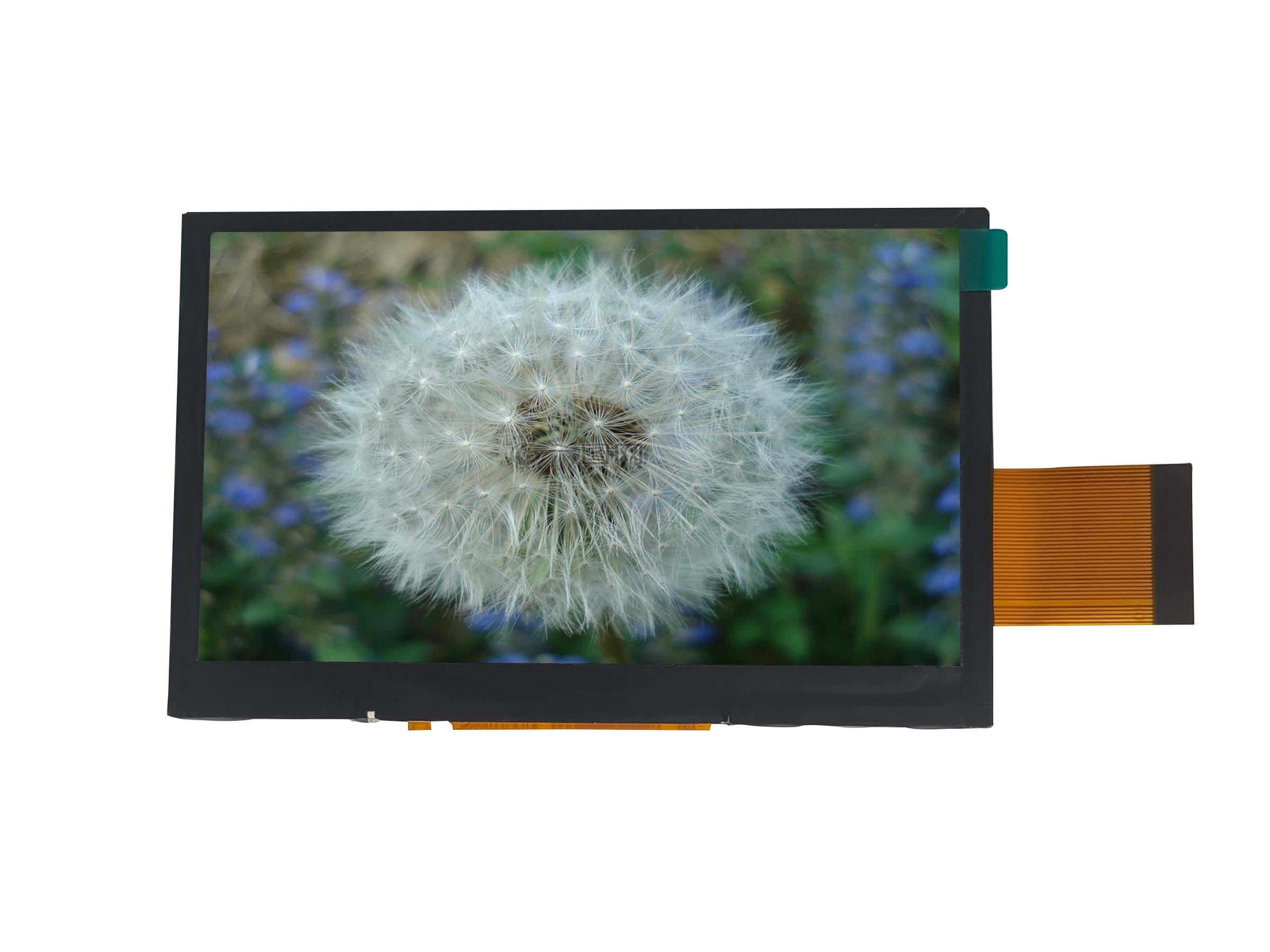
Neither route has a printed expiry date. Approval stays valid while the product, the applicant and the technical file remain as described, which is why the file has to be maintained rather than archived. Surveillance tests that claim through market purchases, document requests and, for categories carrying a factory inspection obligation, an audit of the production line.
Renewal is triggered by an event: a revised standard the category references, a change of applicant, a factory move, or a panel and firmware change. When a revision lands, the evidence on file is measured against the new edition and gaps are closed by testing rather than argument. A change log tied to the registered description is the cheaper discipline.
The block diagram and power tree come first, showing where energy enters the display. The interface description follows, with clock frequency and drive configuration, since those set the emission profile. The component list is checked for the parts that matter: oscillator, interface bridge, backlight driver and switching regulator.
Test reports are read with the standards in view. Display and multimedia assemblies are commonly assessed against the Korean KN series, which mirrors the CISPR 32 emission and CISPR 35 immunity structure. Photographs of internal construction and cable routing corroborate the report; a photo set that does not match the sample is a common reason for a query. The IEC standards portal describes the committee structure, and the IEC Webstore lists current editions.
Registration sits on the critical path in a way tooling schedules ignore. Testing needs production-representative samples, so a filing cannot start until the panel, driver board, firmware and housing are close to final. A launch date fixed earlier leaves the applicant testing prototypes that will not ship.
A workable sequence runs classification and the applicant decision first, in parallel with tooling. Test slots are booked against a sample date, not a launch date, and label artwork follows the certificate number. Where the panel source is still moving, register the configuration that will ship and treat earlier builds as engineering samples. How those stages line up with a build programme is set out in CDTech's guide to custom display sourcing.
If a Korean filing is on your schedule and the panel-side documents are not yet in one place, CDTech can assemble the model matrix, ratings, block diagrams and label artwork the applicant will request. An initial exchange commits nothing.
Write to [email protected] or use the CDTech contact page to start that review.
Who must hold the KC certificate?
The certificate is held by a Korean-registered business, normally the importer, the local distributor or an appointed representative. That entity signs the application, appears on the label and answers to the authority during surveillance. An overseas brand owner can own the design and the trademark, but cannot hold the approval in its own name without a Korean registration. Contracts should state who bears the filing cost and what happens if the commercial relationship changes.
Is a DC 12 V module exempt from safety certification?
Often outside the safety scope, but not exempt by voltage alone. The category notice, the way the item is placed on the market, and whether it is a component or a finished product all matter. A 12 V module sold to an appliance maker usually leaves finished-product safety obligations with the appliance, while a 12 V monitor sold at retail may still need EMC registration. Confirm the position with the applicant before assuming either outcome.
How long is KC validity?
There is no fixed calendar term that applies across categories. Approval remains valid while the product, the applicant and the technical file match the registered description, and it is maintained through market surveillance and, for some categories, factory inspection. Renewal is normally triggered by an event such as a revised standard, a change of applicant, a new manufacturing site, or a panel and firmware change that alters the tested configuration.
Does a panel swap require re-registration?
It depends on what the swap changes. A different panel with a new driver IC, resolution or interface timing alters the pixel clock and the emission profile, so the registered description no longer matches the goods and the applicant should be told before shipment. A like-for-like panel with the same timing and driver may need only a component list update. Cosmetic changes rarely trigger anything. Record every swap in the change log either way.
By continuing to use the site you agree to our privacy policy Terms and Conditions.