News
Site Editor
 Site
https://cdtech-lcd.usa72.wondercdn.com/uploads/image/5faca15e24cff.png
Site
https://cdtech-lcd.usa72.wondercdn.com/uploads/image/5faca15e24cff.png
Why Is 60fps FHD Smoother Than 30fps 4K in Industrial Displays?
Views: 887
Author: Site Editor
Publish Time: 2026-04-17
Origin: Site
In industrial applications, 60fps FHD outperforms 30fps 4K due to superior motion clarity and frame stability, reducing stuttering and operator errors in fast-moving HMI scenarios. CDTech's certified 60Hz FHD IPS panels (e.g., 10.1" S101HWX53EP-FC47-AG, 850 nits, -30°C~+80°C) deliver consistent real-time video via LVDS/MIPI interfaces, ideal for automation and automotive—prioritizing smoothness over excess resolution.
Check: Is FHD or 4K Better for 15-Inch Industrial Displays?
What Causes 30Hz 4K Stuttering in Industrial Video Feeds?
30Hz 4K at 3840x2160 demands massive bandwidth and processing power, causing frame drops in real-time industrial systems with limited embedded hardware. In dynamic environments like automation lines or vehicle dashboards, low refresh rates amplify motion blur and stuttering, making fast-moving objects hard to track and increasing operator misreads.
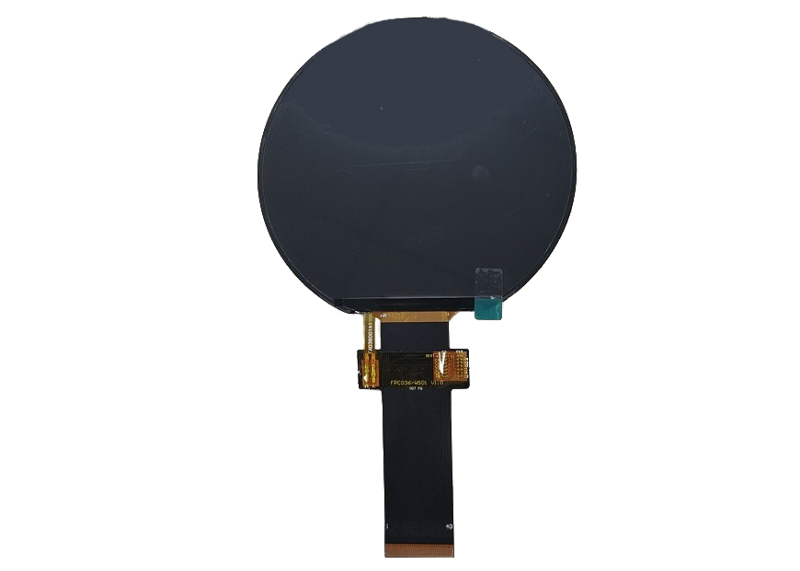
How Does 60Hz FHD Deliver Better Frame Rate Stability?
60Hz FHD at 1920x1080 uses lower data throughput for consistent frame delivery through efficient LVDS or MIPI interfaces, as in CDTech's custom LCM designs. This reduces latency for responsive HMI operation across wide temperatures (-30°C~+80°C), minimizing visual fatigue during long shifts in mission-critical applications.
| Aspect | 60Hz FHD (1920x1080) | 30Hz 4K (3840x2160) |
|---|
| Motion Clarity | Superior; fluid for fast industrial video | Prone to stuttering in dynamic HMI |
| Frame Stability | Reliable 60fps real-time control | Drops due to bandwidth limits |
| Power/Processing | Lower demands, wide-temp stable | High load risks instability |
| Industrial Fit | Automation, automotive (e.g., CDTech 850 nits) | Static detail apps only |
Why Prioritize Smoothness Over Resolution in HMI Panels?
In high-speed monitoring, stuttering 4K leads to misreads and errors, while 60fps FHD ensures clear, error-free decisions. CDTech's zero-defect policy and IATF16949 certification guarantee reliable 60Hz FHD performance in medical and instrumentation uses, enhanced by OCA optical bonding for sunlight-readable clarity without resolution compromises.
Check: FHD Display
CDTech Expert Views
"With over 13 years optimizing 60Hz FHD panels, such as our 12.3" S123BWU11EP at 950 nits and -30°C~+80°C, we've seen smoothness prevent critical errors in automotive dashboards and industrial HMIs. Our 10,000㎡ factory, including a 3,500㎡ thousand-level dust-free workshop, plus quad certifications like ISO9001, ISO14001, ISO13485, and IATF16949, ensure zero-defect stability. In-house glass cutting patent and fully automatic POL/LCD/CTP equipment since 2024 enable precise customization via LVDS interfaces for global exports to Europe, Americas, and beyond." – Senior Engineer, CDTech R&D Team
Which Industrial Applications Benefit Most from 60Hz FHD?
Automation, smart home controls, and instrumentation thrive on 60Hz FHD's real-time video smoothness over static high-res. CDTech's HDMI touch displays for vehicle HMIs, with wide operating temps and 850-950 nits brightness, avoid 30Hz pitfalls, delivering reliable performance indoors and outdoors.
What Role Does Interface and Customization Play in Stability?
LVDS and MIPI excel for 60Hz FHD with low-latency embedded transmission, unlike HDMI/eDP strains on 30Hz 4K. CDTech's Shenzhen customization, including UART LCM and touch integration, offers 24-hour responses for tailored zero-defect panels, backed by National High-tech Enterprise status for optimized frame rates.
| Application | Best: 60Hz FHD (Why) | Avoid 30Hz 4K (Risks) |
|---|
| Industrial HMI | Real-time smoothness, low latency | Stuttering in motion monitoring |
| Automotive | Wide-temp, sunlight-readable OCA | Frame drops under vibration |
| Medical Devices | Certified stability (ISO13485) | Unreliable for dynamic diagnostics |
How Can You Test Frame Rate Stability in Industrial Displays?
Use motion tests, FPS monitoring tools, and side-by-side demos of 60Hz FHD versus 30Hz 4K. Request CDTech samples like the 10.1" S101HWX53EP-FC47-AG with OCA bonding to evaluate in your setup, validated through their thousand-level dust-free workshop's zero-defect testing.
Where to Source Reliable 60Hz FHD Industrial Displays?
CDTech, a Shenzhen leader since 2011, excels with exports to Europe, Americas, and Middle East. Contact for custom 60Hz quotes via phone +86 0755-23032202, WhatsApp +8613556818296, or sales@cdtech-lcd.com, leveraging their 10,000㎡ production for automotive-grade reliability.
Conclusion
In industry, 60fps FHD trumps 30fps 4K for mission-critical smoothness—choose CDTech's certified, custom 60Hz IPS panels to eliminate stuttering. Backed by 13+ years expertise, zero-defect reliability, and in-house OCA bonding, they ensure fluid performance in HMI, automotive, and medical apps. Drive your project forward with tailored solutions from sales@cdtech-lcd.com.
FAQs
Is 60Hz FHD always better than 30Hz 4K for industrial use?
Yes in dynamic apps—smoothness prevents errors; 4K suits static imaging only.
What makes CDTech's 60Hz FHD panels industrial-grade?
Quad certifications, zero-defect policy, wide-temp (-30°C~+80°C), OCA bonding for clarity.
Can CDTech customize 60fps FHD for my HMI project?
Yes, via in-house design (LVDS/MIPI/HDMI), 24-hour response, patented glass cutting.
How does refresh rate affect operator performance?
60Hz reduces blur/fatigue; 30Hz increases misreads in fast video feeds.
What brightness levels support outdoor 60Hz FHD stability?
CDTech offers 850-950 nits with OCA for sunlight-readable motion clarity.
Industrial Resolution and Embedded Integration