News
Site Editor
 Site
https://cdtech-lcd.usa72.wondercdn.com/uploads/image/5faca15e24cff.png
Site
https://cdtech-lcd.usa72.wondercdn.com/uploads/image/5faca15e24cff.png
How to Choose the Right High Brightness Vehicle LCD Display for Sunlight-Readable Dashboards
Views: 880
Author: Site Editor
Publish Time: 2026-03-24
Origin: Site
To select the right high brightness vehicle LCD display, follow these key criteria: (1) Determine required nits based on vehicle location—dashboard needs 800–1000+ nits; (2) Verify operating temperature range (-30°C to +85°C); (3) Confirm IPS panel technology and anti-glare coating; (4) Validate OCA optical bonding and automotive certifications (IATF16949, ISO9001). This ensures optimal sunlight readability and thermal durability.
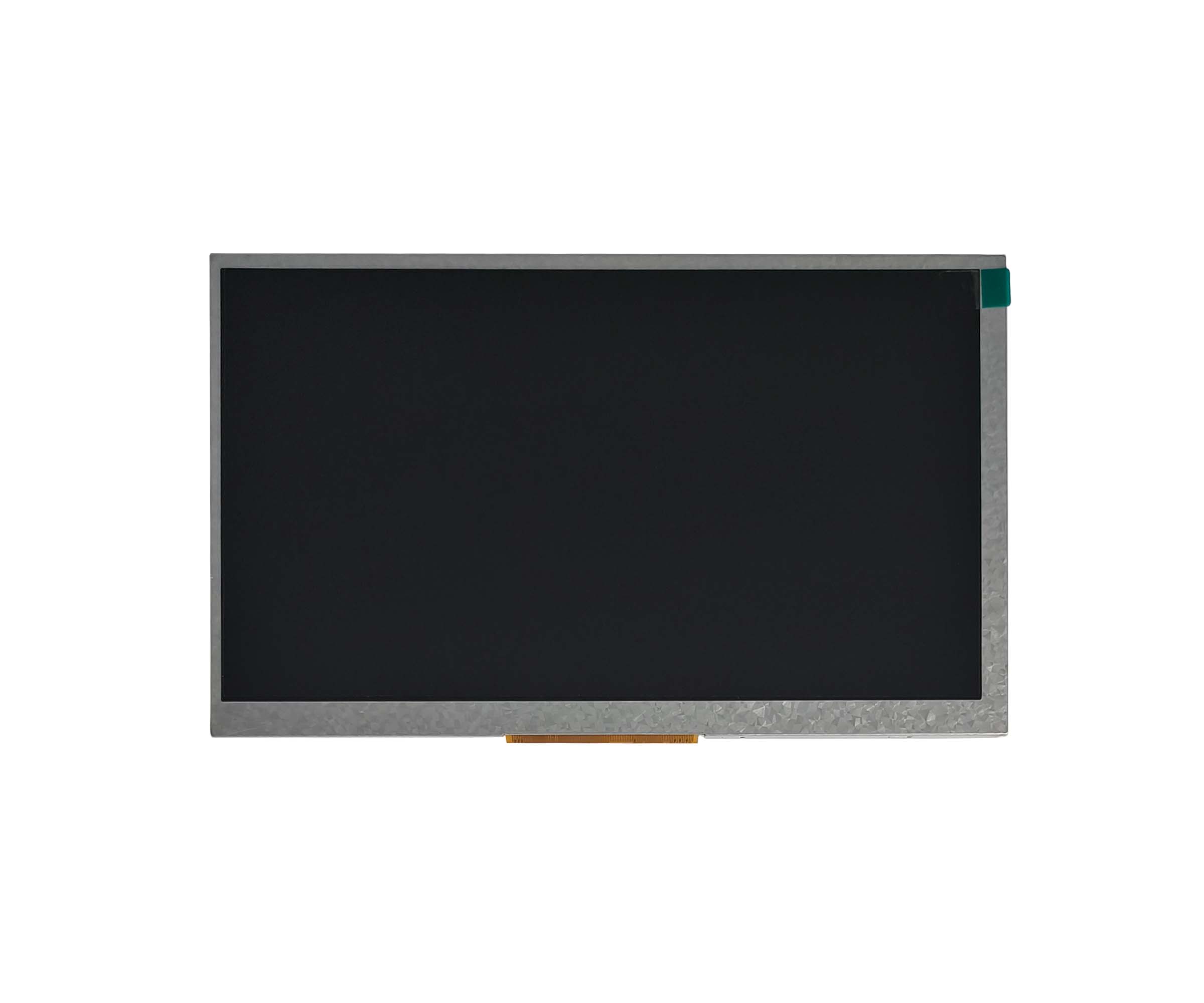
Check: Vehicle LCD Display
Why Do Vehicle Displays Need Extreme Brightness Levels?
Vehicle displays need extreme brightness levels because direct sunlight causes washout on standard 200–400 nit consumer displays, creating safety risks like delayed driver responses and accidents. Outdoor vehicles such as trucks, buses, and construction equipment face cabin temperatures over 60°C, demanding 800–1000+ nits for clear visibility in glare-heavy environments.
Direct sunlight overwhelms standard displays, reducing contrast and readability.
Cabin heat accelerates backlight degradation without high nits.
Safety requires readable dashboards in all lighting conditions.
Outdoor applications exceed indoor display capabilities.
What Are Nits and Why Do They Matter for Brightness Specifications?
Nits measure display brightness as candelas per square meter; higher nits ensure visibility in daylight. For vehicles, dashboards require 800–1000+ nits due to direct sun exposure, center consoles need 500–800 nits, and rear-seat displays suffice with 300–500 nits. High brightness trades off with power use and heat generation.
| Application | Recommended Nits | Environment | Driver Impact |
|---|
| Dashboard/Instrument Cluster | 800–1000+ | Direct sunlight, high-temperature cabin | Mission-critical safety |
| Center Console/Infotainment | 500–800 | Moderate sunlight | User comfort |
| Rear-Seat Display | 300–500 | Cabin interior | Convenience |
How Do Operating Temperature Ranges Affect Display Reliability?
Operating temperature ranges like -30°C to +85°C ensure reliability by preventing color shifts, slow responses, and brightness loss in extremes. Heat degrades polarizers and backlights, while cold slows crystals; proper ranges maintain performance across climates for 7+ year lifespans in vehicles.
Industry standard -30°C to +85°C covers global automotive needs.
High temperatures reduce nits output without thermal management.
Wide ranges prevent seasonal failures.
Certified displays like CDTech's vehicle LCDs meet these specs.
What Is the Role of IPS Panels and Anti-Glare Coatings in Sunlight Readability?
IPS panels provide 170°+ viewing angles and color accuracy over TN panels, essential for multi-viewer dashboards. Anti-glare coatings cut specular reflections by 30–40%, boosting readability despite slight nits reduction; combining with 850–1000 nits optimizes outdoor performance.
IPS excels in wide-angle visibility.
Anti-glare reduces mirror-like sun glare.
Matte finishes enhance perceived brightness.
Ideal for high-glare vehicle environments.
How Does OCA Optical Bonding Enhance Sunlight Readability?
OCA optical bonding eliminates air gaps between LCD and cover glass, cutting Fresnel reflections by 10–15% and making displays appear 15–20% brighter at the same nits. It improves contrast, reduces glare, and protects against moisture in harsh vehicle conditions.
No air gap maximizes light transmission.
Allows lower nits with equal visibility.
In-house processes ensure consistency.
CDTech offers OCA on models like S101HWX53EP-FC47-AG.
Which Automotive Certifications Ensure Display Reliability?
IATF16949 mandates zero-defect processes and traceability for automotive suppliers; ISO9001 ensures quality systems, ISO14001 sustainability, and ISO13485 defect prevention. CDTech's quad certifications guarantee reliable high-brightness displays for vehicles.
IATF16949 is strictest for supply stability.
Quad certifications are rare among suppliers.
They prevent disruptions and failures.
Essential for long-term vehicle use.
How Should You Evaluate Suppliers for High-Brightness Vehicle Displays?
Evaluate suppliers by IATF16949 certification, in-house OCA capability, factory scale (10,000㎡+), and automotive references. Request specs matching your nits, temperature (-30°C~+85°C), IPS, and interfaces like LVDS; test prototypes for thermal performance.
Checklist: certifications, bonding expertise, scale.
Custom process: 12–16 week lead times.
MOQ 500–1000 units typical.
CDTech provides scalable solutions.
What Are Common Mistakes to Avoid When Choosing High-Brightness Vehicle Displays?
Avoid over-specifying nits without thermal management, ignoring -30°C~+85°C ranges, outsourcing OCA bonding, picking uncertified low-cost suppliers, and neglecting IPS/anti-glare combos. These lead to failures, high costs, and safety issues.
No thermal design shortens lifespan.
Wrong temp range causes breakdowns.
Uncertified risks supply issues.
Balance specs for efficiency.
CDTech Expert Views
"CDTech manufactures high-brightness vehicle LCDs like the 3.6-inch S036BWS01EN (1000 nits, -30°C~+85°C, IPS) and 10.1-inch S101HWX53EP-FC47-AG with OCA bonding in our 3,500㎡ dust-free workshop. Our IATF16949 certification and zero-defect policy ensure sunlight-readable displays for dashboards. In-house OCA and anti-glare treatments deliver superior readability without outsourcing risks."
Conclusion
Choosing high-brightness vehicle LCD displays balances 800–1000+ nits, -30°C~+85°C ranges, IPS panels, anti-glare, and OCA bonding for sunlight readability. CDTech's 13+ years, quad certifications, and in-house capabilities like OCA on 12.3-inch S123BWU11EP (950 nits) ensure reliability. Contact sales@cdtech-lcd.com for custom solutions.
FAQs
What is the difference between nits and lumens for vehicle displays?
Nits measure brightness per area (candelas/m²), critical for fixed-size screens like dashboards. Lumens measure total light; nits determine sunlight readability in vehicles.
Can anti-glare coating make a 500-nit display work outdoors?
Anti-glare helps in moderate light but fails in direct sun; use 800+ nits minimum for dashboards. Combine with OCA for best results.
Does OCA bonding affect warranty on vehicle displays?
No, when manufacturer-integrated like CDTech's in-house process; it enhances reliability under IATF16949 standards.
What lead time for custom high-brightness automotive displays?
12–16 weeks including design, prototyping, and validation for specs like 1000 nits and LVDS interfaces.
Why is IATF16949 essential for display suppliers?
It enforces zero-defect, traceability, and redundancy; vital for mission-critical vehicle displays to avoid disruptions.

