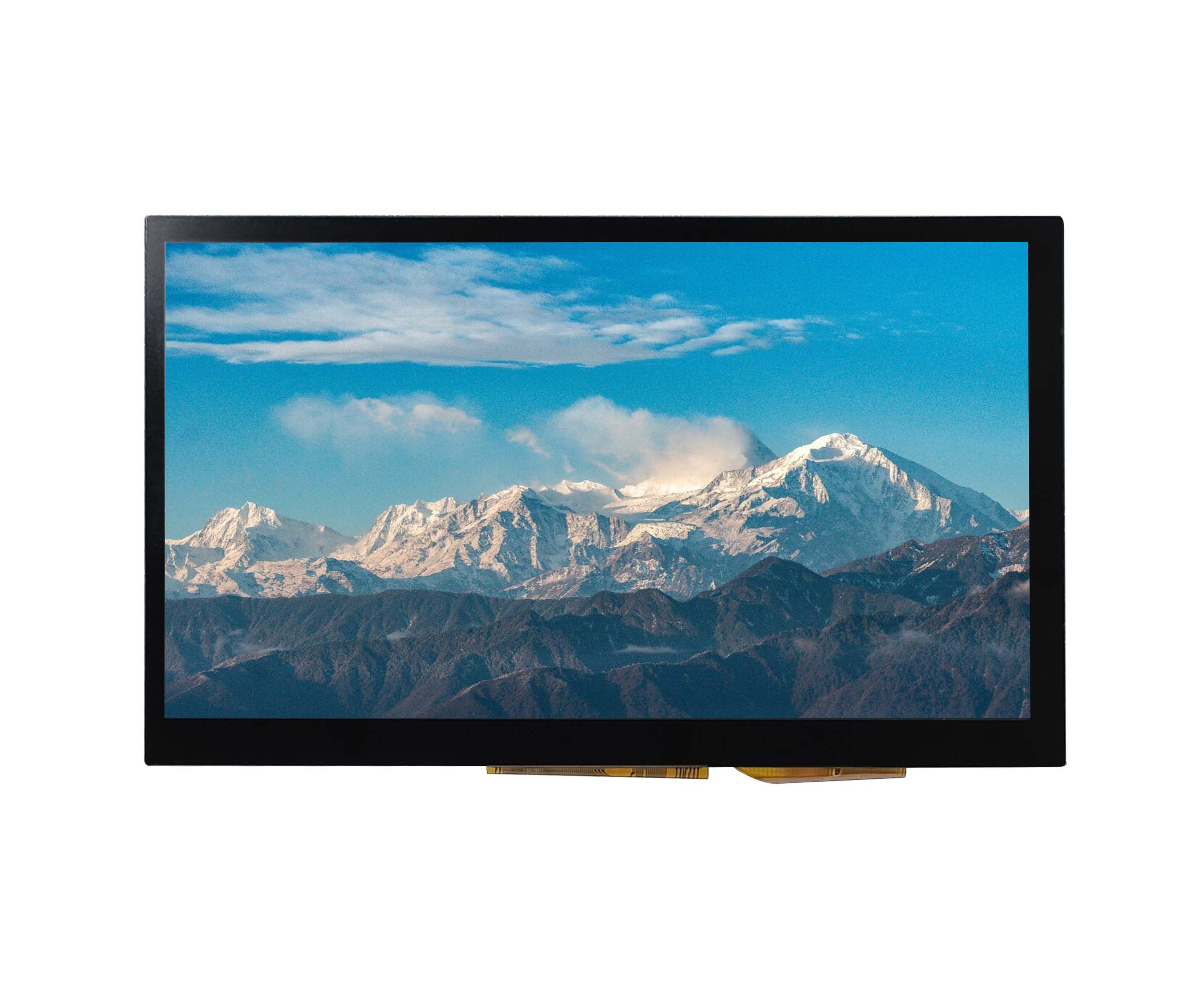
Industrial LCD displays play a critical role in modern automation systems,
control panels, transportation equipment, medical devices, and outdoor
installations. Unlike consumer displays, industrial LCDs must operate reliably
in harsh environments, often for years without interruption. Choosing the right
industrial display is therefore not just about screen size or resolution—it
requires a deep understanding of environmental protection, thermal performance,
and mechanical durability.
Among the many technical specifications available, IP rating, operating
temperature range, and durability are three of the most important factors that
determine whether an LCD display is suitable for industrial use. This article
explains these key considerations in detail and provides practical guidance on
how to select the right industrial LCD display for long-term, stable
operation.
Understanding the Role of Industrial LCD Displays
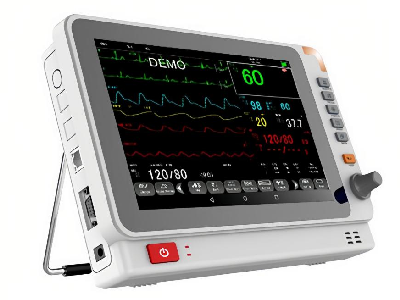
Industrial LCD displays are typically used as human–machine interfaces
(HMIs) or information panels in environments where dust, moisture, vibration,
and temperature fluctuations are common. Applications include factory
automation, CNC machines, power distribution cabinets, transportation systems,
and outdoor kiosks.
In these scenarios, display failure can lead to system downtime, safety
risks, and increased maintenance costs. As a result, industrial LCD displays are
designed with higher standards than consumer screens, emphasizing reliability,
protection, and consistent performance over time.
Why IP Rating Matters in Industrial Environments
What Is an IP Rating?
The IP (Ingress Protection) rating defines the level of protection a device
has against solid objects and liquids. It consists of two digits:
The first digit indicates protection against dust and solid particles.
The second digit indicates protection against water and moisture.
For example, an IP65-rated industrial LCD display is dust-tight and
protected against water jets from any direction.
Choosing the Right IP Rating for Your Application
Different industrial environments require different levels of protection.
For control rooms or clean indoor factories, an IP54 or IP55 display may be
sufficient. However, for wash-down areas, outdoor equipment, or food-processing
facilities, higher protection levels such as IP65 or IP67 are often
required.
It is also important to note that many industrial LCD displays are designed
with front-panel IP protection only. This means the display surface is sealed,
while the rear housing may require installation inside a protective enclosure.
Understanding this distinction helps avoid over-specification or insufficient
protection.
Operating Temperature Range: A Critical Selection Factor
Standard vs. Industrial Temperature Requirements
Temperature is one of the most common causes of display failure in
industrial systems. Standard commercial LCD displays typically operate within a
narrow temperature range, usually from 0°C to 50°C. In contrast, industrial LCD
displays are engineered to function reliably across much wider ranges.
Many industrial-grade LCD displays support operating temperatures from
–20°C to +70°C, while specialized models can operate from –30°C to +80°C or even
beyond.
Performance at Low Temperatures
At low temperatures, LCD response time can slow significantly, causing
ghosting or delayed image updates. Industrial LCD displays often use special
liquid crystal formulations and integrated heating elements to maintain
responsiveness in cold environments such as outdoor terminals or refrigerated
facilities.
Choosing a display rated for low-temperature operation ensures reliable
performance without visual distortion or startup delays.
High-Temperature Stability and Heat Management
High ambient temperatures can accelerate component aging and reduce display
lifespan. Industrial LCD displays are designed with heat-resistant components,
optimized backlight systems, and thermal management structures to maintain
stable brightness and color performance.
In high-temperature environments, such as steel plants or sealed control
cabinets, proper ventilation and heat dissipation must be considered alongside
the display’s temperature rating.
Durability and Mechanical Strength
Resistance to Vibration and Shock
Industrial equipment is often exposed to continuous vibration or sudden
mechanical shocks. LCD displays intended for industrial use are tested according
to vibration and shock standards to ensure internal components remain secure
during operation.
Robust mounting structures, reinforced frames, and secure connector designs
help industrial LCD displays maintain stable performance in mobile equipment,
transportation systems, and heavy machinery.
Surface Protection and Touch Durability
Many industrial LCD displays are equipped with hardened glass or protective
overlays to resist scratches, impacts, and chemical exposure. For touch-enabled
displays, technologies such as resistive or industrial-grade capacitive touch
panels are commonly used, allowing operation with gloves or in wet
environments.
Surface durability is especially important in applications where the
display is frequently operated or cleaned with industrial agents.
Long-Term Reliability and Backlight Lifetime
Industrial LCD displays are often required to operate continuously for many
years. Backlight lifetime is therefore a critical consideration. High-quality
industrial displays typically offer LED backlight lifetimes of 50,000 hours or
more, ensuring stable brightness over extended use.
In addition, industrial LCDs are designed to minimize issues such as image
retention and brightness non-uniformity, further enhancing long-term
reliability.
Interface Compatibility and System Integration
While environmental durability is essential, compatibility with existing
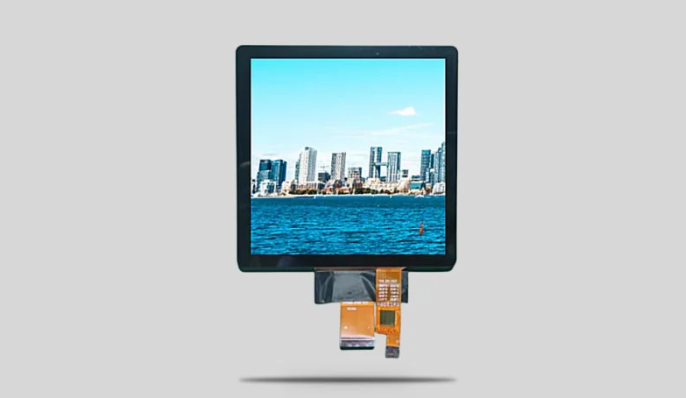
systems should not be overlooked. Industrial LCD displays commonly support
interfaces such as LVDS, HDMI, VGA, and DisplayPort. Long-term availability of
these interfaces is important for system maintenance and future upgrades.
Mechanical integration is equally important. Standardized mounting options,
such as VESA mounts or custom brackets, allow industrial LCD displays to be
easily integrated into cabinets and control panels.
Evaluating Total Cost of Ownership
Industrial LCD displays may have a higher initial cost compared to
commercial displays, but they typically offer lower total cost of ownership.
Their extended lifespan, reduced failure rates, and minimal maintenance
requirements translate into long-term cost savings.
Selecting a display with appropriate IP rating, temperature range, and
durability ensures fewer replacements and less downtime over the system’s
lifecycle.
Practical Selection Guidelines
When choosing an industrial LCD display, it is essential to evaluate real
operating conditions rather than relying solely on specifications. Consider
factors such as exposure to dust and water, ambient temperature extremes,
mechanical stress, and continuous operating hours.
Matching the display’s IP rating, temperature range, and durability
features to actual application requirements ensures reliable performance and
avoids unnecessary over-engineering.
Conclusion
Selecting the right industrial LCD display requires a careful balance
between protection, thermal performance, and mechanical durability. IP rating
determines how well the display resists environmental contaminants, temperature
range defines its operational stability, and durability ensures long-term
reliability under mechanical stress.
By understanding these key factors and aligning them with real-world
operating conditions, engineers and decision-makers can confidently choose
industrial LCD displays that deliver consistent performance, long service life,
and excellent value in demanding industrial environments.