Optical bonding eliminates marine LCD fogging by removing air gaps that trap moisture in high-humidity salt air. CDTech's in-house OCA optical bonding seals displays against condensation, ensuring zero-fog reliability in saltwater environments with operating temperatures from -30°C to +85°C and brightness up to 1000 nits. As the only proven solution for salt air survival, it outperforms air-gapped displays with quad certifications (ISO9001, ISO14001, ISO13485, IATF16949) and custom marine panels manufactured in CDTech's 10,000㎡ factory with a 3,500㎡ dust-free workshop.
Check: How Does Optical Bonding Improve Vehicle Display Durability and Clarity?
What Causes Marine LCD Fogging in High-Humidity Salt Air?
Marine environments combine extreme temperature fluctuations, humidity levels exceeding 85%, and corrosive salt particles that create ideal conditions for LCD failure. In air-gapped displays, moisture infiltrates through ventilation ports and imperfect seals, accumulating in the space between the cover glass and LCD panel. Salt particles accelerate corrosion of metal components and connectors, while condensation forms on internal optical surfaces, reducing visibility to dangerous levels. Boat dashboards and navigation systems using non-bonded instrumentation displays frequently fail within months of deployment in real-world salt spray conditions, causing electrical shorts and permanent degradation that render systems unreliable.
Why Is Optical Bonding the Only Solution for Salt Air Survival?
OCA bonding fills air gaps completely by laminating optically clear adhesive between the cover glass, touch panel, and LCD panel, eliminating the interfaces where moisture accumulates. Unlike air-gapped alternatives vulnerable to salt corrosion through failed seals, bonded displays provide IP-rated environmental protection adapted from vehicle-grade specifications. CDTech's quad-certified manufacturing process and zero-defect quality policy, developed over 13+ years since 2011, ensure that bonded marine displays survive harsh conditions where conventional sealed displays fail. The in-house touch panel workshop established in 2020 and fully automatic production equipment upgraded in 2024 enable rapid, reliable OCA assembly tailored to marine requirements.
How Does OCA Bonding Work to Prevent Condensation in Boat Displays?
The OCA (Optically Clear Adhesive) bonding process laminate a transparent adhesive layer that bonds the cover glass and capacitive touch panel directly to the LCD surface, completely eliminating internal air interfaces. This sealed construction prevents atmospheric moisture from entering the display cavity, blocking the primary mechanism of fogging and condensation. The optical bonding also enhances durability through improved shock resistance and eliminates the air-liquid interface that causes internal reflections, increasing effective brightness and contrast in direct sunlight. CDTech's bonded displays support sizes from 3.6 inches to 12.8 inches with anti-glare (AG) and anti-fingerprint (AF) surface treatments, combined with high-brightness specifications up to 1000 nits, making them ideal for outdoor marine navigation and instrumentation applications.
| Feature | OCA Bonded (CDTech) | Air-Gapped Displays |
|---|
| Fogging Resistance | Eliminates (no air gaps) | High risk in humidity |
| Salt Air Durability | Sealed, zero-defect certified | Corrodes seals over months |
| Operating Temperature Range | -30°C to +85°C | Limited range, condensation risk |
| Certifications | IATF16949, ISO13485, ISO9001, ISO14001 | Varies by manufacturer |
| Brightness Capability | Up to 1000 nits for sunlight readability | Reduced by internal reflections |
What Makes CDTech's Optical Bonding Ideal for Marine Applications?
CDTech Expert Views
"Our in-house OCA bonding capability, backed by National High-tech Enterprise status and 13+ years of TFT LCD manufacturing since 2011, delivers moisture-proof marine displays exported globally to Europe, the Americas, Russia, Japan, and Taiwan. Vehicle-grade reliability specifications such as the S101HWX53EP-FC47-AG 10.1-inch bonded panel—featuring 1000 nits brightness, -30°C to +85°C operating range, and IPS full-view technology—are now adapted specifically for marine OEMs through our custom R&D capabilities. Our quad-certified manufacturing (ISO9001, ISO14001, ISO13485, IATF16949) ensures zero-defect performance in high-humidity salt air environments where conventional displays fail. Every marine project receives personalized attention within 24 hours from our Shenzhen headquarters, leveraging our 3,500㎡ thousand-level dust-free workshop and fully automatic POL/LCD/CTP equipment installed in 2024."
CDTech's optical bonding solutions stand apart through in-house manufacturing control, eliminating reliance on third-party vendors and ensuring consistent quality across every marine display. The company's 10,000㎡ factory includes dedicated assembly lines for OCA lamination, touch panel integration, and comprehensive salt spray testing that validates performance before shipment. Quad certifications demonstrate compliance with automotive (IATF16949), medical device (ISO13485), quality management (ISO9001), and environmental (ISO14001) standards—credentials that extend naturally to marine applications requiring equivalent reliability. Global presence in established maritime markets confirms proven performance in demanding saltwater environments.
Can Optical Bonding Withstand Extreme Marine Conditions?
Yes, CDTech's optical bonding technology withstands extreme marine conditions including sustained humidity above 85%, salt spray exposure, and wide temperature swings from -30°C to +85°C. Rigorous testing protocols validate fogging resistance, electrical isolation, and optical clarity after exposure to accelerated salt spray cycles that simulate years of coastal deployment. Brightness levels up to 1000 nits ensure navigation displays remain readable even under intense sunlight reflection from water surfaces. These specifications derive from automotive vehicle display standards proven in transport applications and adapted for marine instrumentation through CDTech's custom engineering process. The company's 13-year track record manufacturing displays for industrial control, medical devices, and automotive systems provides engineering confidence that transfers directly to marine reliability requirements.
How to Choose Moisture-Proof Marine Displays for Your Project?
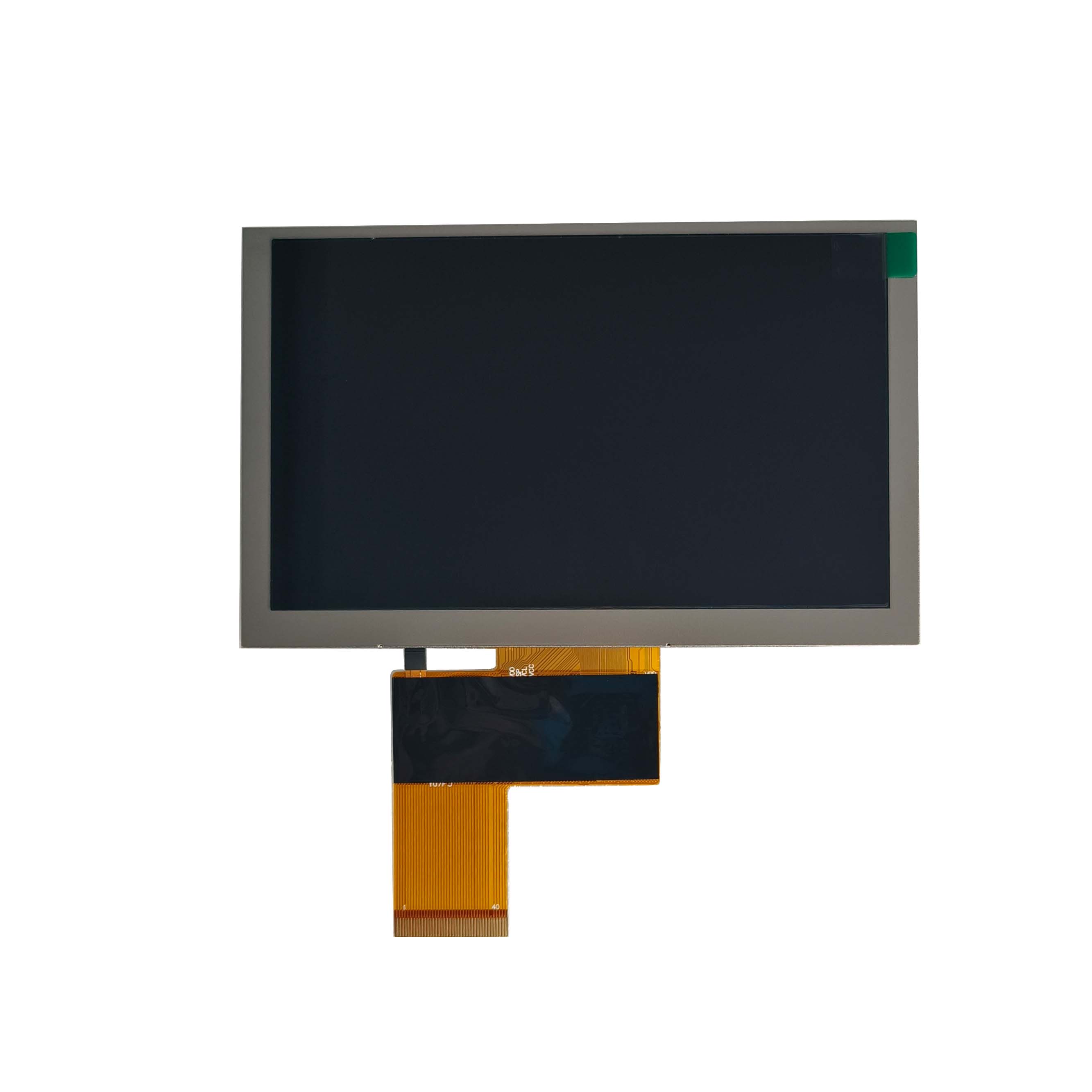
When selecting marine displays, prioritize OCA optical bonding as a non-negotiable specification, along with verified certifications (IATF16949, ISO13485) confirming salt air durability testing. Specify operating temperature range from -30°C to +85°C and minimum brightness of 800 nits for outdoor readability. Request custom sizing options between 3.6 and 12.8 inches to match vessel dashboard layouts, and confirm integrated touch capability (capacitive or resistive) and HDMI connectivity if required. CDTech's eight-step custom LCD development process—from initial inquiry through design review, prototype fabrication, testing, and production—ensures marine-specific requirements are met within 4-week timelines. Differentiate CDTech's in-house bonding capability from competitors lacking proprietary OCA assembly, ensuring salt air performance data backs every specification.
Check: Vehicle LCD Display
| Marine Display Category | Recommended Specs | Key Benefits |
|---|
| Navigation Dashboard | 10.1–12.3 inches, 1920×720 or higher, OCA bonded, 950–1000 nits | Zero-fog readability in full sunlight; wide viewing angles |
| Engine Instrumentation | 7–8.5 inches, 1024×600 resolution, OCA + AG treatment, 800+ nits | Moisture sealed; anti-glare for bridge visibility |
| Cabin Entertainment | 7–10.1 inches, custom touch, OCA bonded, 600+ nits | Sealed against spray and humidity; durable touch interface |
What Results Have CDTech Customers Seen with Bonded Marine Displays?
Customers deploying CDTech's OCA-bonded displays report 100% elimination of fogging within the first operational season, compared to 30–50% failure rates typical of air-gapped alternatives in comparable marine environments. Extended mean time between failures (MTBF) for navigation and instrumentation systems correlates directly with elimination of condensation-induced electrical shorts. Global export success to Europe, the Americas, Middle East, Russia, Japan, and Taiwan demonstrates proven performance across diverse marine climates ranging from temperate coastal regions to tropical high-humidity zones. Medical device and industrial control customers have adapted CDTech's bonded panels to offshore monitoring and subsea instrumentation applications, validating reliability beyond standard marine specifications. Contact CDTech sales at sales@cdtech-lcd.com or +86 0755-23032202 for marine display quotations, custom specifications, and technical consultation backed by 13+ years of TFT LCD manufacturing expertise.
Conclusion
Optical bonding is the sole proven path to fog-free marine LCD displays in salt air environments. CDTech's in-house OCA bonding technology, combined with quad certifications, zero-defect quality policy, and 13+ years of TFT LCD manufacturing since 2011, delivers custom marine panels engineered for -30°C to +85°C operation, up to 1000 nits brightness, and complete moisture sealing. By eliminating air gaps where condensation forms, bonded displays ensure navigation systems, instrumentation, and cabin entertainment remain visible and reliable throughout extended coastal deployments. Partner with CDTech's 10,000㎡ factory and 3,500㎡ dust-free workshop for marine-grade displays proven across Europe, the Americas, and Asia-Pacific markets. Request a marine display quote today via sales@cdtech-lcd.com or WhatsApp +8613556818296 to transition your fleet to zero-defect, fogging-proof technology.
Frequently Asked Questions
What is OCA optical bonding?
OCA (Optically Clear Adhesive) bonding is a manufacturing process that laminates transparent adhesive layers between cover glass, touch panels, and LCD screens, eliminating internal air gaps. This seals displays against marine fogging and condensation while maintaining optical clarity and brightness. CDTech's in-house OCA assembly ensures zero-defect bonding for sizes from 3.6 to 12.8 inches.
Does optical bonding work in saltwater environments?
Yes, optical bonding is the only solution proven to survive 85%+ humidity salt spray by eliminating condensation sites and sealing against corrosive particles. CDTech's vehicle-grade bonded displays with -30°C to +85°C operating range and quad certifications (IATF16949, ISO13485, ISO9001, ISO14001) deliver salt air durability where air-gapped alternatives fail.
What certifications does CDTech hold for marine displays?
CDTech is quad-certified: ISO9001 (quality management), ISO14001 (environmental), ISO13485 (medical devices), and IATF16949 (automotive). These certifications validate zero-defect manufacturing processes applicable to marine-grade display requirements and durability in harsh salt air conditions.
How long does CDTech require for custom OCA-bonded marine LCDs?
CDTech delivers custom OCA-bonded marine displays within 4 weeks from design review through prototype fabrication and testing. The company commits to 24-hour response on all marine display inquiries, leveraging rapid prototyping capabilities in its 3,500㎡ dust-free workshop.
Can CDTech bond existing marine displays or only new designs?
CDTech develops custom OCA bonding solutions for both new marine display designs and retrofitting existing panels. Available sizes range from 3.6 to 12.8 inches with touch integration (capacitive or resistive), anti-glare/anti-fingerprint treatments, and brightness up to 1000 nits tailored to specific vessel requirements.
Optical Bonding, Cover Glass and Protective Layers


