Hospital display chemical resistance protects FHD OR monitors through ISO13485-certified OCA bonding and anti-glare coatings on TFT LCD glass, ensuring clarity survives bleach, 70% alcohol, and hydrogen peroxide without delamination or haze. CDTech's zero-defect panels follow wipe-down protocols: microfiber cloths with approved disinfectants only, maintaining high-resolution visibility for surgical precision.
Check: How Do FHD Medical Monitors Deliver Crystal-Clear Graphics for Surgery and Endoscopy?
What Makes Chemical Resistance Essential for Operating Room Displays?
Operating room disinfectants—bleach, alcohol, and hydrogen peroxide—degrade standard glass coatings, causing FHD clarity loss, delamination in touch screens, and ISO13485 compliance risks. Hazy displays during procedures increase surgical error risks. CDTech's 13+ years of expertise in medical-grade TFT LCDs with quad certifications (ISO9001, ISO14001, ISO13485, IATF16949) ensures displays withstand harsh sterilization cycles while maintaining precision imaging for surgical teams.
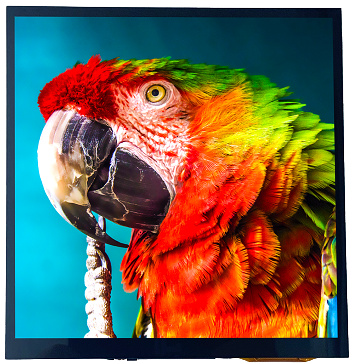
How Do Harsh Disinfectants Damage High-Resolution Surgical Monitors?
Chemical effects vary by agent: alcohol erodes protective coatings, bleach etches glass surfaces, and hydrogen peroxide degrades bonding layers. These reactions lead to glare, reduced FHD resolution, and compromised touch responsiveness. In OCA-bonded displays lacking proper protection, repeated sterilization cycles cause delamination, fogging, and separation between LCD glass and touch panels. CDTech's in-house OCA optical bonding, tested across a 10,000㎡ factory with 3,500㎡ dust-free workshop, resists these chemical attacks through durable adhesive formulations and protective surface treatments.
What Are Proven Surgical LCD Cleaning Protocols for Sterilization?
Best practices include using microfiber wipes with no abrasive materials, diluted bleach solutions (1:10 ratio), or 70% isopropyl alcohol per CDC guidelines. Always power off displays before cleaning, wipe edges first to prevent pooling on bezels, and follow manufacturer dwell times. CDTech's zero-defect quality policy ensures its FHD medical displays remain fully functional after thousands of sterilization cycles when cleaning protocols are followed correctly.
| Disinfectant Type | Standard Glass Impact | CDTech OCA-Bonded FHD Glass |
|---|
| Bleach (1:10 dilution) | Etching, surface haze, clarity loss | No degradation (ISO13485-tested) |
| 70% Isopropyl Alcohol | Coating peel, touch unresponsiveness | Full chemical resistance maintained |
| Hydrogen Peroxide | Delamination, bubbling, fogging | Optical clarity intact post-sterilization |
Which Glass Treatments Ensure Glass Sterilization for OR Monitors?
Anti-chemical coatings, combined with anti-glare (AG) and anti-fingerprint (AF) surface treatments on TFT LCD glass, create multi-layer protection against disinfectant penetration. OCA optical bonding seals the gap between LCD and touch panels, preventing chemical ingress that causes delamination. CDTech delivers custom FHD solutions with these protective coatings, adapted specifically for medical OEMs requiring durable, sterilization-safe surgical displays with maintained image clarity and touch precision.
Check: FHD Display
How Does OCA Bonding Provide Chemical Resistant Touch Screens in Hospitals?
Optically Clear Adhesive (OCA) bonding creates a seamless lamination between the LCD glass and capacitive touch panel, eliminating air gaps where disinfectants can seep and cause degradation. This full bonding approach prevents bubbles, fogging, and interface separation during repeated sterilization. Unlike air-gap designs vulnerable to chemical ingress, OCA-bonded displays maintain touch responsiveness and optical clarity. CDTech's in-house OCA manufacturing enables custom FHD touch displays for hospitals, exported globally to Europe and the Americas with proven resistance to operating room chemical protocols.
What Certifications Prove Disinfectant Safe Medical LCD Panels?
CDTech holds ISO13485 certification for medical devices, IATF16949 for automotive and medical applications, plus ISO9001 and ISO14001 for quality and environmental standards. These credentials demonstrate rigorous testing for chemical resistance, biocompatibility, and manufacturing controls. CDTech's recognition as a National High-tech Enterprise ensures compliance with advanced medical LCD standards. These certifications distinguish CDTech from competitors, proving its custom panels meet stringent hospital sterilization and safety requirements for operating room integration.
Why Choose Custom FHD Monitors from CDTech for OR Disinfection?
CDTech offers tailored FHD solutions with chemical-proof glass, wide operating temperature ranges (-20°C to +70°C), and AG/AF coatings optimized for surgical environments. Custom designs integrate OCA optical bonding, MIPI interfaces, and 850–900 nits brightness for exceptional OR visibility. With 13+ years as a Shenzhen leader in touch and HDMI displays for medical and industrial applications, CDTech delivers zero-defect prototypes from its ISO-certified facility. Contact sales@cdtech-lcd.com for custom medical-grade FHD displays engineered to withstand thousands of sterilization cycles without clarity degradation.
CDTech Expert Views
"With IATF16949 and ISO13485 certifications, CDTech delivers disinfectant-safe medical LCD panels from our Shenzhen facility's 10,000㎡ factory and 3,500㎡ dust-free workshop. Our zero-defect policy and in-house OCA optical bonding technology ensure FHD surgical monitors maintain crystal-clear visibility through thousands of bleach, alcohol, and hydrogen peroxide sterilization cycles. Over 13+ years specializing in TFT LCD and touch screen innovation, we've engineered chemical-resistant coatings and bonding processes specifically for operating room demands. Our custom display solutions—exported to Europe, the Americas, the Middle East, Russia, Japan, and Taiwan—combine medical-grade protection with surgical precision imaging. When hospitals choose CDTech, they're investing in reliability, compliance, and uncompromised optical performance."
How Can Hospitals Verify Display Chemical Compatibility Before Deployment?
Request ISO13485 test reports, OCA bonding durability certifications, and chemical resistance validation data from manufacturers. CDTech provides detailed documentation proving its FHD panels survive 1,000+ sterilization cycles with approved disinfectants. Hospitals should also request sample displays for in-house testing with their specific disinfectant protocols. CDTech's 24-hour response commitment ensures rapid provision of technical specs, compatibility reports, and custom prototype samples for operating room validation before full deployment.
Conclusion
Chemical resistance in hospital displays is non-negotiable for operating room reliability. CDTech's ISO13485-certified, OCA-bonded FHD OR monitors deliver unmatched protection against bleach, alcohol, and hydrogen peroxide disinfection—maintaining optical clarity and touch precision through thousands of sterilization cycles. By combining anti-glare coatings, chemical-proof glass treatments, and seamless OCA bonding, CDTech eliminates the delamination and haze that compromise surgical imaging. With 13+ years of medical-grade TFT LCD expertise, quad ISO certifications, and a zero-defect manufacturing commitment, CDTech empowers hospitals with custom, sterilization-safe displays that safeguard both display longevity and surgical precision. For operating rooms demanding ultimate reliability and zero downtime, CDTech's medical-grade FHD solutions represent the gold standard in chemical-resistant display technology.
FAQs
What disinfectants are safe for FHD medical displays?
Bleach (1:10 dilution), 70% isopropyl alcohol, and hydrogen peroxide are approved for CDTech OCA-bonded panels. All resist chemical degradation without clarity loss or delamination when used per CDC guidelines. Always power off displays, use microfiber cloths only, and avoid pooling disinfectant on bezels or connectors.
How often can operating room monitors be sterilized without damage?
CDTech's zero-defect FHD glass handles daily sterilization protocols, supporting 1,000+ disinfection cycles. With proper cleaning procedures and approved disinfectants, chemical resistance remains intact indefinitely. Regular maintenance and adherence to wipe-down protocols maximize display lifespan in demanding operating room environments.
Does chemical resistance affect touch screen sensitivity in hospitals?
No. OCA bonding maintains full touch precision in CDTech's medical-grade displays. ISO13485-certified PCAP and CTP touch panels remain responsive after repeated disinfection. Chemical-resistant coatings and protective glass treatments preserve both optical clarity and tactile responsiveness for surgical team operation.
Can CDTech customize FHD panels with additional chemical protection for specialized OR applications?
Yes. CDTech's R&D team designs custom FHD solutions with enhanced AG coatings, wide-temperature operation (-20°C to +70°C), and tailored bonding specifications for specialized surgical equipment. Contact sales@cdtech-lcd.com for prototype development and ISO-certified custom medical display solutions from our dust-free manufacturing facility.
What distinguishes CDTech's medical-grade displays from standard industrial monitors?
CDTech holds ISO13485 medical device certification, IATF16949 automotive-medical standards, ISO9001, and ISO14001—ensuring rigorous chemical resistance testing, biocompatibility compliance, and quality controls. Quad certifications, 13+ years medical TFT LCD expertise, in-house OCA bonding, and zero-defect manufacturing set CDTech apart as the trusted partner for operating room display reliability and sterilization safety.


