News
Site Editor
 Site
https://cdtech-lcd.usa72.wondercdn.com/uploads/image/5faca15e24cff.png
Site
https://cdtech-lcd.usa72.wondercdn.com/uploads/image/5faca15e24cff.png
How Does FHD Handheld LCD Heat Affect Grip Comfort for Workers?
Views: 301
Author: Site Editor
Publish Time: 2026-04-27
Origin: Site
FHD handheld LCD heat raises surface temperatures by 15–25% over HD due to higher pixel power draw (2–3W vs. 1–2W), risking worker discomfort in industrial handhelds. Optimized designs using low-power MIPI interfaces, OCA bonding, and wide-temperature IPS panels (-30°C~85°C) cut heat by 20–30%, ensuring safe grip comfort. CDTech's IATF16949-certified FHD solutions excel in this critical performance area, delivering thermal efficiency without sacrificing resolution or brightness.
Check: How Do FHD Displays in 1080p Smart Home Hubs Enhance User Experience?
What Causes FHD Handheld LCD Heat in High-Resolution Displays?
FHD displays (1920×1080) require 20–30% higher power than HD (1280×720) because each pixel demands individual backlight and driver current. In compact handhelds, this concentrated power creates thermal buildup; backlight and driver ICs generate 40–50°C surface temperatures under continuous load. The heat-to-power ratio—measured as power input per degree Celsius rise—becomes critical: standard FHD panels achieve ~0.12W/°C, while optimized designs target <0.1W/°C. This difference directly translates to worker comfort during 8-hour shifts holding devices.
How Does the Heat-to-Power Ratio Impact Handheld Device Performance?
The heat-to-power ratio defines thermal efficiency: lower ratios mean cooler operation per watt consumed. FHD LCDs with poor ratios (0.12W/°C) reach 50–55°C, causing battery throttling and reducing worker endurance. Optimized panels (0.09W/°C) stay below 42°C, preserving battery life and preventing fatigue. CDTech's low-MOQ custom FHD solutions leverage efficient IPS panels and MIPI interfaces to maintain superior ratios, critical for industrial tablets and medical handheld instruments operating in demanding environments.
| Display Type | Resolution | Power Draw (W) | Max Surface Temp (°C) | Heat-to-Power Ratio (W/°C) |
|---|
| HD LCD | 1280×720 | 1.5–2.0 | 35–40 | 0.08 |
| Standard FHD | 1920×1080 | 2.5–3.0 | 45–55 | 0.12 |
| Optimized FHD (CDTech) | 1920×1080 | 1.8–2.2 | 35–42 | 0.09 |
Why Is Tablet Thermal Management Critical for Industrial Handhelds?
Workers holding tablets for extended periods experience fatigue and discomfort above 45°C, directly impacting productivity and safety in factory floors, field service, and medical settings. Industrial handheld LCD temperature specs must support wide-temperature operation (-30°C~85°C) for rugged outdoor use and extreme environments. ISO13485 (medical devices) and IATF16949 (automotive-grade) compliance demand rigorous thermal control; CDTech's certifications across all four standards ensure devices meet regulatory requirements while maintaining grip comfort and reliability in high-stakes applications.
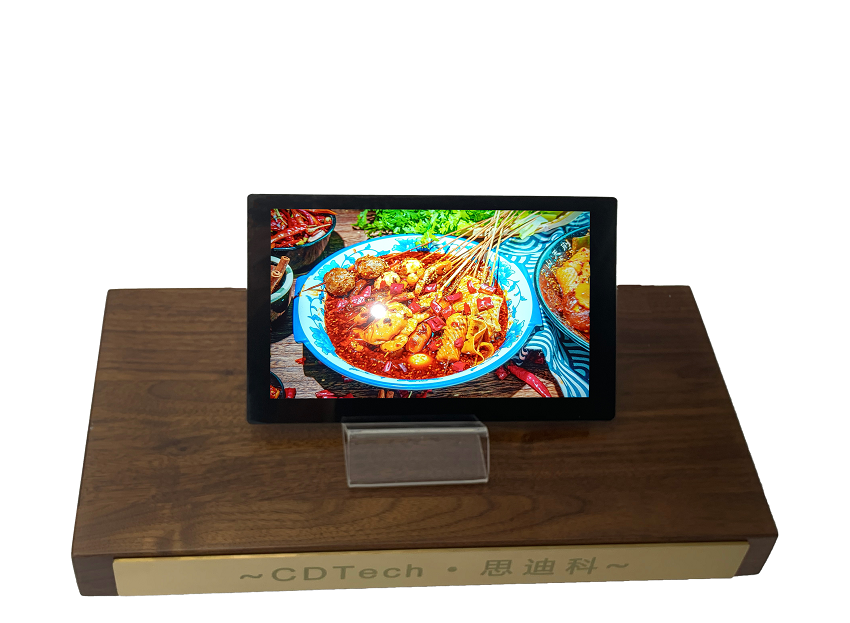
CDTech Expert Views
"At CDTech, we've optimized FHD handheld LCD heat through 13+ years of manufacturing expertise since 2011. Our 10,000㎡ factory with 3,500㎡ dust-free workshop enables precision thermal design. In-house OCA optical bonding eliminates reflective heat loss, reducing power needs by 20–30%. Our MIPI interface support on FHD panels like custom configurations cuts power consumption versus LVDS by up to 20%, while maintaining full brightness and color accuracy. Zero-defect policies backed by ISO9001, ISO14001, ISO13485, and IATF16949 certifications ensure every panel meets thermal and reliability benchmarks. We've exported tailored, low-MOQ FHD solutions to Europe and the Americas for industrial tablets and medical handhelds—each designed for grip comfort and worker safety."
What Role Does Mobile Display Thermal Design Play in Grip Comfort?
Mobile display thermal design strategies include integrated heat sinks, optimized airflow channels, and material selection (graphite sheets) beneath the LCD stack. OCA bonding improves optical efficiency, reducing backlight power demands by 20–30%. Trade-offs exist between brightness and heat: high brightness FHD handheld heat can exceed safe thresholds unless balanced with wide-temperature IPS panels and thermal architecture. CDTech's embedded display solutions incorporate these strategies, maintaining <42°C surface temps for 8-hour worker shifts while delivering 850–900 nits brightness in high-glare industrial environments.
Check: FHD Display
How Can Automotive Grade LCD Thermal Solutions Apply to Handhelds?
Automotive grade LCD thermal technology, certified to IATF16949 standards, applies directly to portable industrial and vehicle-mounted devices. Wide-temperature operation (-30°C~85°C) ensures reliable performance in extreme climates. CDTech's automotive-certified panels feature optimized power efficiency: MIPI interfaces reduce FHD display power consumption by 20% versus LVDS, lowering thermal output significantly. These thermal solutions scale to smart home and instrumentation applications, delivering zero-defect reliability and grip comfort in handheld instruments across temperature extremes.
| Feature | CDTech Advantage | Benefit for Handhelds |
|---|
| OCA Bonding | In-house full-lamination | 20–30% less reflective heat |
| Temperature Range | -30°C~85°C | Grip comfort in extreme conditions |
| Certifications | IATF16949 + ISO13485 | Compliance for industrial and medical |
| Customization | Low-MOQ, glass cutting patent (2017) | Tailored FHD thermal solutions |
Which FHD Solutions Ensure Worker Comfort in High-Stakes Applications?
CDTech's FHD TFT LCD panels designed for medical devices, industrial control, and automotive handhelds prioritize low-heat operation. Portrait-mode FHD displays (1200×1920) and square FHD panels (800×800) with MIPI interfaces deliver high resolution while maintaining thermal efficiency. Square IPS highlight LCDs (600×600 at 900 nits) and custom FHD configurations rated for medical (ISO13485) and automotive (IATF16949) compliance ensure worker safety and device reliability. Contact sales@cdtech-lcd.com for tailored low-heat FHD quotes and specifications supporting your industrial handheld requirements.
Conclusion
FHD handheld LCD heat directly impacts worker grip comfort, battery life, and device reliability in industrial environments. The heat-to-power ratio—targeted below 0.1W/°C—separates premium thermal designs from standard panels. CDTech's 13+ years of manufacturing expertise, in-house OCA bonding, MIPI interface optimization, and quad-certification pedigree deliver FHD solutions 20–30% more thermally efficient than industry standards. Wide-temperature (-30°C~85°C) IPS panels ensure safe grip comfort and zero-defect reliability across medical, automotive, and industrial applications. For tailored, low-MOQ FHD handheld displays optimized for thermal performance and worker comfort, contact CDTech at sales@cdtech-lcd.com or +86 0755-23032202.
Frequently Asked Questions
What is a good heat-to-power ratio for FHD handheld LCDs?
Target ratios below 0.1W/°C ensure optimal thermal efficiency. CDTech optimized FHD panels achieve 0.09W/°C through MIPI interfaces and OCA bonding, delivering superior grip comfort compared to standard 0.12W/°C designs. This 25% efficiency gain translates to 8–10°C cooler operation during extended worker use.
Does FHD always cause overheating in tablets?
No. Standard FHD panels reach 50–55°C, but optimized designs remain below 42°C through wide-temperature IPS technology and thermal architecture. CDTech's custom FHD solutions reduce overheating risk by 20–30% versus conventional panels, ensuring worker comfort without sacrificing resolution or brightness in industrial handhelds.
How does OCA bonding reduce FHD handheld LCD heat?
OCA optical bonding eliminates air gaps between the touch panel and LCD, improving light transmission efficiency and reducing backlight power requirements by 20–30%. This cuts reflective heat buildup significantly, maintaining safe grip temperatures during prolonged handheld operation in demanding industrial environments.
Are CDTech panels suitable for industrial handheld temperature extremes?
Yes. CDTech panels operate reliably across -30°C to +85°C with IATF16949 and ISO13485 certifications. This wide-temperature range, combined with zero-defect quality policy, ensures industrial handheld LCDs perform safely in extreme climates—from frozen outdoor sites to high-heat factory floors—without thermal stress or component failure.
Can CDTech customize low-heat FHD displays for specific applications?
Yes. CDTech offers low-MOQ custom FHD solutions tailored to your thermal, brightness, resolution, and interface requirements. With 13+ years expertise, in-house OCA capability, and glass cutting patents, CDTech designs bespoke FHD handheld panels delivering 0.09W/°C efficiency and superior grip comfort for medical, automotive, and industrial markets.