Chemical resistant LCDs protect screens from drilling fluids through three integrated mechanisms: reinforced polarizers with anti-corrosive coatings that block petroleum solvents and drilling mud degradation; OCA optical bonding that creates a hermetic seal preventing chemical ingress into internal layers; and durable substrate materials rated for harsh oilfield temperatures ranging from -30°C to +85°C. CDTech's IATF16949-certified TFT displays combine these technologies with a zero-defect quality policy, ensuring reliable HMI performance in extreme oil and gas environments.
Check: How to Choose Rugged Industrial LCDs for Harsh Environments?
What Makes Drilling Fluids Damaging to Standard LCD Displays?
Petroleum-based drilling muds contain solvents that degrade unprotected polarizer layers, causing color shift, contrast loss, and premature display failure within 6–12 months of exposure. Hydrocarbon compounds weaken adhesive bonds between LCD layers, leading to internal delamination and seal compromise. Thermal cycling in oilfield sites—from sub-zero nights to high-sun peaks—accelerates chemical penetration into unshielded display stacks. Standard industrial LCDs lack the multi-layer protective barriers needed to withstand these aggressive petroleum compounds, making them unsuitable for downhole or surface drilling applications.
How Do Anti-Corrosive Coatings Shield LCD Polarizers?
Specialized hydrophobic and oleophobic surface treatments create molecular barriers that repel petroleum compounds without affecting optical clarity. Multi-layer coating stacks—typically 2–4 microns thick—diffuse corrosive stress across passive zones rather than concentrating attack on polarizer cellulose. These coatings are engineered to maintain adhesion under thermal cycling stress common in oilfield environments. CDTech applies proprietary coating protocols during manufacturing to ensure consistent thickness and adhesion across custom display sizes, delivering 36–60+ months of polarizer protection compared to uncoated alternatives.
Why Is OCA Optical Bonding Essential for Petroleum Environments?
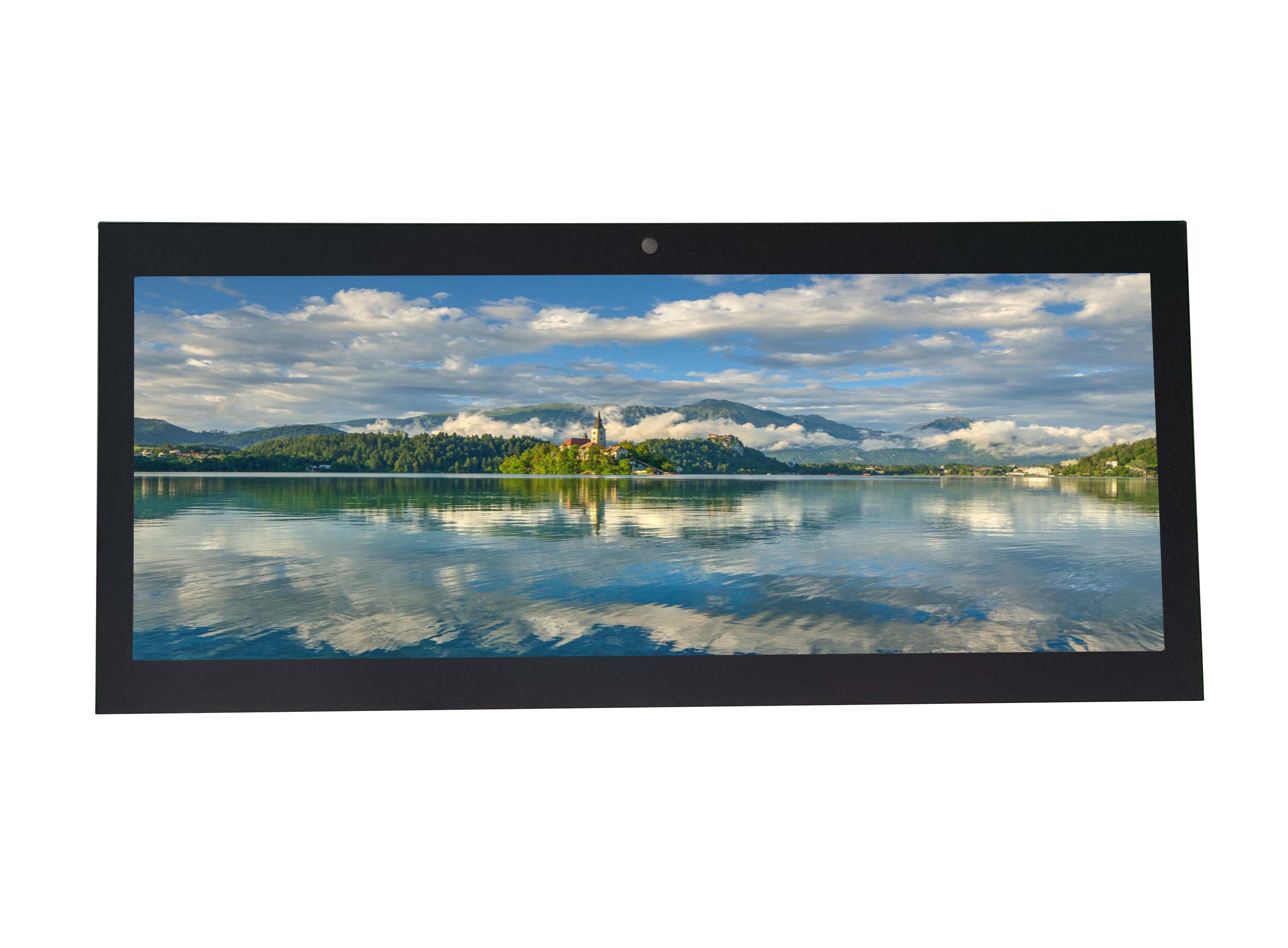
OCA (optically clear adhesive) bonding fuses the cover glass, LCD stack, and rear substrate into a monolithic unit, eliminating air gaps where drilling fluids can seep. This hermetic sealing prevents mud ingress even under pressure cycling and thermal shock common in subsea or downhole drilling sites. CDTech's in-house OCA bonding capability, developed within its 3,500㎡ dust-free workshop, ensures precision bonding without contamination—critical for achieving zero-defect chemical shielding. The bonded structure also improves readability in sunlit topside conditions by reducing reflections caused by petroleum residue films.
| Feature | Standard Industrial LCD | CDTech Oilfield-Grade LCD |
|---|
| Polarizer Coating | None / Basic UV-only | Multi-layer anti-corrosive + hydrophobic |
| Cover Glass | Standard glass | Tempered glass with AG/AF hybrid treatment |
| Sealing Method | Gasket-only | OCA optical bonding + stainless bezel |
| Operating Temperature | 0°C to +60°C | -30°C to +85°C |
| Chemical Exposure Testing | Limited | ISO/IEC petroleum-fluid compatible |
| Certifications | ISO9001 | ISO9001, ISO14001, ISO13485, IATF16949 |
| Polarizer Lifespan (drilling mud) | 6–12 months | 36–60+ months |
| Customization | Standard sizes only | Custom sizes, interfaces, bonding options |
Which Materials and Surface Treatments Provide Maximum Chemical Resistance?
Glass substrates with AG (anti-glare) or AF (anti-fingerprint) treatments diffuse petroleum residue accumulation and reduce visibility of chemical staining. AF coatings add oleophobic properties that accelerate fluid runoff, protecting the polarizer surface. Tempered glass cover plates resist scratching from drilling mud particles while maintaining impact resilience during rough oilfield handling. Stainless steel or nickel-plated bezels prevent frame corrosion that would compromise seal integrity. CDTech offers industrial LCD displays like the S101HWX53EP-FC47-AG, which combines OCA optical bonding with AG treatment and wide temperature rating (-30°C to +80°C) for maximum oilfield durability.
What Role Do IATF16949 and ISO13485 Certifications Play in Chemical Durability?
IATF16949 (automotive quality standard) mandates rigorous chemical exposure testing and supply-chain traceability—protocols equally critical for oil and gas downhole equipment where failure carries safety and environmental liability. ISO13485 (medical device quality) enforces material compatibility testing against aggressive chemical agents; oilfield environments often mirror or exceed chemical stress profiles of sterilization processes. CDTech's quad certification (ISO9001, ISO14001, ISO13485, IATF16949) signals third-party validated chemical resistance protocols essential for OEM procurement compliance in regulated drilling operations. These certifications provide documented evidence that coatings, adhesives, and substrate materials have been tested and approved for petroleum fluid exposure.
Check: Industrial LCD
CDTech Expert Views: "Our IATF16949 certification reflects rigorous material compatibility validation protocols applied to every custom display build. When drilling OEMs specify CDTech displays for downhole HMIs, they're not just purchasing a component—they're gaining access to 13+ years of TFT LCD manufacturing expertise combined with documented chemical resistance testing that meets automotive and medical device standards. Our zero-defect quality policy ensures these protection layers remain consistent across the entire production run, eliminating the reliability variability that plagues non-certified suppliers."
How Should OEMs Specify Custom Chemical-Resistant Displays for Drilling HMIs?
Define operating temperature range requirements: CDTech's -30°C to +85°C rated displays address thermal cycling stress that accelerates chemical penetration. Specify anti-corrosive coating plus OCA bonding plus stainless steel bezel as a bundled protection stack; avoid mixing legacy non-bonded displays with coating-only specifications. Request chemical exposure testing data and material compatibility reports against ISO/IEC petroleum-fluid standards. CDTech's custom design process accommodates non-standard sizes, resolutions, and interfaces—whether LVDS, RGB, MCU, or MIPI—enabling rapid prototyping within its 10,000㎡ factory. Contact sales@cdtech-lcd.com or +86 0755-23032202 to define your specific chemical resistance requirements.
What Are Common Oilfield HMI Applications That Benefit from Chemical-Resistant LCDs?
Downhole drilling control units monitor mud pressure, flow rate, and tool position in subsea environments exposed to high-pressure hydrocarbon streams. Surface mud management systems in shale drilling operations recirculate drilling fluid, concentrating chemical exposure on HMI displays. Wellhead instrumentation displays show real-time temperature and pressure readouts in harsh topside conditions with salt spray and petroleum aerosol co-exposure. Mobile drill floor HMIs mounted on rig equipment face splash and aerosol petroleum exposure during equipment monitoring. CDTech's industrial LCD displays, including models rated for -20°C to +70°C operation with 500–1000 nits brightness, support these mission-critical applications with OCA bonding and anti-corrosive coating options.
| Specification Element | Recommended CDTech Approach | Benefit |
|---|
| Polarizer Protection | Anti-corrosive coating + OCA bonding | Blocks drilling fluid solvents; prevents internal delamination |
| Brightness Rating | 500+ nits (for sunlit topside/surface drilling) | Maintains visibility through petroleum residue films |
| Temperature Range | -30°C to +85°C | Accommodates subsea thermal cycling without seal compromise |
| Bezel Material | Stainless steel or nickel-plated brass | Prevents frame corrosion that undermines seal integrity |
| Touch Interface (if HMI) | Bonded PCAP with oleophobic coating | Touch responsiveness preserved under petroleum aerosol exposure |
| Certifications | IATF16949 + ISO13485 validation | Meets regulatory compliance for safety-critical drilling equipment |
| Custom Size Support | Full design-to-prototype in 10,000㎡ factory | Rapid iteration for OEM integration timelines |
How Does CDTech's Zero-Defect Quality Policy Ensure Long-Term Chemical Resistance?
Defect prevention protocols integrated across design, material sourcing, manufacturing, and post-delivery support eliminate latent failures that compromise chemical barriers under field stress. CDTech's in-house OCA bonding, coating application, and testing workflows ensure consistency across custom display builds—no subcontracting introduces variability in chemical protection layers. Lifetime technical support and replacement protocols mitigate oilfield downtime risk, differentiating CDTech from component suppliers offering limited warranties. Every display undergoes rigorous QC validation to confirm coating uniformity, OCA seal integrity, and polarizer adhesion before shipment to drilling operations.
Conclusion
Chemical-resistant LCDs protect drilling HMIs through a multi-layered defense combining anti-corrosive polarizer coatings, OCA optical bonding for hermetic sealing, and durable materials engineered for -30°C to +85°C thermal stress. CDTech's 13+ years of experience, quad certifications (ISO9001, ISO14001, ISO13485, IATF16949), zero-defect quality policy, and in-house OCA bonding capability position the company as the trusted partner for oilfield HMI customization. Whether protecting downhole control units or surface mud management systems, CDTech's chemical-resistant displays extend polarizer lifespan 3–5 times beyond standard industrial alternatives, reducing rig downtime and total cost of ownership. Protect your oilfield HMI from drilling fluid corrosion by contacting CDTech for a custom chemical-resistant display specification and quote.
Frequently Asked Questions
Can standard industrial LCDs be used in oilfield drilling environments, or is chemical-resistant coating mandatory?
Standard industrial LCDs lack petroleum resistance; uncoated polarizers degrade within 6–12 months in drilling mud exposure. Chemical-resistant coatings plus OCA bonding are essential for any downhole or surface drilling HMI to avoid premature failure and rig downtime. CDTech's IATF16949 validation and zero-defect policy provide documented risk mitigation for procurement teams in regulated drilling operations.
How long does a chemical-resistant LCD display last when exposed to drilling fluids?
CDTech's oilfield-grade displays with multi-layer coatings and OCA bonding achieve 36–60+ months of reliable operation versus 6–12 months for unprotected displays. Lifespan depends on drilling mud composition, thermal cycling frequency, and application (subsea versus surface). CDTech provides custom material compatibility testing to offer customer-specific durability projections for your drilling fluid profile.
What is the cost premium for chemical-resistant coatings and OCA bonding compared to standard industrial LCDs?
While chemical-resistant displays carry a 15–25% higher upfront unit cost, the lifecycle advantage is significant: 3–5 times longer service life, reduced downtime, and lower replacement logistics costs offset initial investment. Contact CDTech for custom quotes that reflect your specific volume, customization requirements, and total cost of ownership analysis aligned with oilfield operational timelines.
Can CDTech's chemical-resistant LCDs be customized for non-standard drilling equipment sizes or interfaces?
Yes. CDTech's 10,000㎡ factory with 3,500㎡ dust-free workshop supports full custom builds: size, resolution, interface (HDMI, UART, parallel RGB/LVDS/MIPI), connector types, and coating profiles. Rapid prototyping is enabled by in-house OCA bonding capability, eliminating dependence on external suppliers and accelerating time-to-market for custom drilling HMIs.
What certifications should I look for in a chemical-resistant LCD supplier for regulated drilling operations?
Seek IATF16949 (automotive-grade quality for safety-critical systems), ISO13485 (medical-device-level material compatibility testing), ISO9001 (general quality management), and ISO14001 (environmental compliance for oilfield operations). CDTech holds all four certifications, differentiating from suppliers with only ISO9001 coverage. These certifications ensure third-party validated chemical resistance testing and supply-chain traceability essential for drilling equipment procurement.