Antimicrobial touch screens for operating rooms feature coatings that kill 99% of bacteria, combined with ISO13485-certified TFT LCD glass and durable OCA optical bonding to withstand frequent disinfection. These displays integrate seamlessly into surgical interfaces while meeting hospital hygiene compliance standards. CDTech's zero-defect quality policy ensures sterile-environment reliability, with custom solutions delivered in 4 weeks for medical OEMs requiring low-MOQ integration.
Check: How Do Medical Grade LCD Displays Ensure Precision and Safety in Medical Imaging?
What Are Antimicrobial Coatings and How Do They Prevent Cross-Contamination in ORs?
Antimicrobial coatings use silver-ion and silica-based technologies to kill 99% of bacteria on contact, disrupting microbial cell walls and preventing growth on touch screen surfaces. In operating rooms, they reduce cross-contamination risks at high-touch points like surgical carts and monitors, aligning with CDC and WHO sterility protocols by maintaining hygiene during critical workflows.
These coatings embed ions that puncture bacterial membranes, achieving rapid elimination without leaching or toxicity. Touch screens in ORs face constant contact from gloved hands and instruments, amplifying infection transmission risks. Silver-ion variants release controlled ions to inhibit reproduction, while silica-based options provide durable, non-migrating protection. Studies show 99% reduction within hours, far surpassing standard glass.
Regulatory bodies mandate surface hygiene in sterile zones, where even brief contamination can lead to HAIs (hospital-acquired infections). Coatings ensure continuous protection, tested to ISO22196 standards for efficacy against pathogens like MRSA and E. coli. CDTech integrates these with TFT LCD displays certified for medical use, supporting OCA bonding for seamless, wipeable surfaces in high-stakes environments.
For OR teams, this means fewer disinfection pauses and lower liability. Paired with anti-glare treatments, visibility remains optimal under surgical lights, balancing hygiene with usability.
Why Is ISO13485 Certification Essential for Medical Touch Screen Displays?
ISO13485 certification ensures rigorous quality management for medical devices, covering design, production, and risk mitigation critical for touch screens in sterile ORs. CDTech's ISO13485 alongside ISO9001, ISO14001, and IATF16949 sets it apart, guaranteeing zero-defect outputs that minimize procurement risks for hospitals.
This standard mandates traceability, validation, and contamination controls tailored to healthcare. For antimicrobial displays, it verifies coating integration without compromising LCD performance. CDTech's 13+ years in TFT LCD manufacturing, backed by quad certifications, delivers compliant panels for medical OEMs worldwide.
CDTech Expert Views: "With over 13 years in medical-grade TFT LCD design and our ISO13485 certification, we prioritize zero-defect production in our 3,500㎡ thousand-level dust-free workshop. This ensures every antimicrobial touch screen meets surgical sterility demands, reducing cross-contamination risks without operational trade-offs." – CDTech R&D Team
Hospitals favor certified suppliers to avoid recalls, as ISO13485 proves sustained reliability. CDTech's policy aligns perfectly, exporting to Europe, Americas, and beyond.
How Does OCA Optical Bonding Enhance Durability of Antimicrobial Touch Screens?
OCA optical bonding fills air gaps between touch panels and LCD glass with clear adhesive, boosting durability against OR disinfectants like alcohol and bleach while preserving antimicrobial coating efficacy. CDTech's in-house OCA process withstands frequent wipes, eliminating delamination risks.
This technique improves sunlight readability and shock resistance, vital under OR lighting. Bonded screens resist chemical penetration, maintaining 99% bacteria-kill rates over cycles. CDTech supports OCA with PCAP touch, ensuring responsive interfaces post-disinfection.
Unlike air-gapped designs, OCA reduces reflections and fogging from cleaners. CDTech's fully automatic equipment (upgraded 2024) ensures precision bonding, tested for medical durability.
Which TFT LCD Display Specifications Are Critical for Operating Room Applications?
Key specs include wide temperature ranges (-30°C to +85°C), high brightness (850-1000 nits), IPS panels for full visibility, and LVDS interfaces with CTP touch support. CDTech's ISO13485-certified displays from its 10,000㎡ factory meet OR demands for surgical carts and monitors.
IPS technology delivers superior contrast under bright lights, while OCA bonding enhances clarity. Custom sizes from 3.5" to 12.3" fit embedded applications, with resolutions like 1280×800 for precise imaging.
| Specification | CDTech Medical-Grade TFT LCD | OR Compliance Requirement |
|---|
| Antimicrobial Coating | 99% bacteria kill rate (silver-ion/silica) | ≥95% reduction per ISO22196 |
| Certification | ISO13485, IATF16949 | ISO13485 (mandatory) |
| OCA Bonding | In-house, alcohol/bleach-resistant | Withstand 10+ daily disinfections |
| Custom Sizing | Prototypes in 4 weeks, 10–100 units | Low-MOQ for OEM integration |
| Operating Temp | –30°C to +85°C (vehicle-grade extended) | –10°C to +50°C (typical OR) |
| Response Time | <5ms (IPS optimized) | <10ms (surgical precision) |
CDTech's dust-free workshop enables these specs, supporting medical instrumentation reliably.
What Are Real-World Applications of Antimicrobial Touch Screens in Surgical Environments?
Antimicrobial touch screens power surgical carts, anesthesia workstations, patient monitors, and OR controls, integrating CTP touch with high-brightness IPS LCDs. CDTech's solutions reduce contamination in these high-touch zones, deployed in European and American hospitals.
For instance, a European surgical center cut touchpoint risks by integrating 10.1" OCA-bonded displays, maintaining hygiene amid workflows. Anesthesia systems benefit from wide-temp panels (-30°C~+80°C), ensuring uptime.
CDTech's exports to Japan and Middle East include custom HMI for lighting controls, with LVDS interfaces simplifying OEM integration. Low-MOQ runs accelerate deployments.
How Can Medical Device Manufacturers Customize Antimicrobial Touch Screens for Specific OR Needs?
CDTech's process starts with spec intake, followed by in-house glass cutting, OCA bonding, and testing, delivering prototypes in 4 weeks at low MOQ (10-100 units). Customize size, PCAP touch, brightness, and interfaces like LVDS or MIPI for OR fits.
Check: Industrial LCD
R&D evaluates changes for reliability, supporting AG/AF treatments alongside antimicrobials. From 3.5" industrial panels to 12.3" vehicle-grade, flexibility meets surgical carts or monitors.
Annual R&D investment ensures tailored solutions, with touch workshop (since 2020) enabling PCAP assembly.
What Testing and Quality Standards Does CDTech Apply to Antimicrobial Medical Displays?
CDTech enforces a zero-defect policy with ISO9001, ISO14001, ISO13485, and IATF16949 standards, including ISO22196 antimicrobial validation and 500+ disinfection cycle durability tests in its dust-free facility.
Rigorous QC covers bonding integrity and touch response post-exposure. As a National High-tech Enterprise, CDTech provides full traceability for OEM compliance.
How Do Antimicrobial Touch Screens Compare to Traditional Touchless OR Solutions?
Antimicrobial screens offer lower cost and simpler integration than voice/gesture systems, providing familiar touch interfaces with 99% bacteria kill rates. CDTech's OCA-bonded, ISO13485-certified panels excel in usability and hygiene over touchless alternatives.
While touchless reduces contact, antimicrobials enable precise control without adoption hurdles, at fraction of gesture tech costs. CDTech's 13+ years and low MOQ give edge for hybrid OR setups.
CDTech Expert Views: "Our zero-defect policy means every antimicrobial display leaving our 3,500㎡ dust-free workshop meets surgical-grade sterility expectations—no compromises on OR safety."
Conclusion
Antimicrobial touch screens are a hygiene compliance imperative in modern operating rooms. CDTech's 13+ years of medical-grade display expertise, ISO13485 certification, in-house OCA optical bonding, and zero-defect quality policy position it as a trusted partner. With custom 4-week prototyping, 99% bacteria-killing coatings, and low-MOQ flexibility, CDTech enables OEMs to deploy reliable solutions without sacrificing speed or budget.
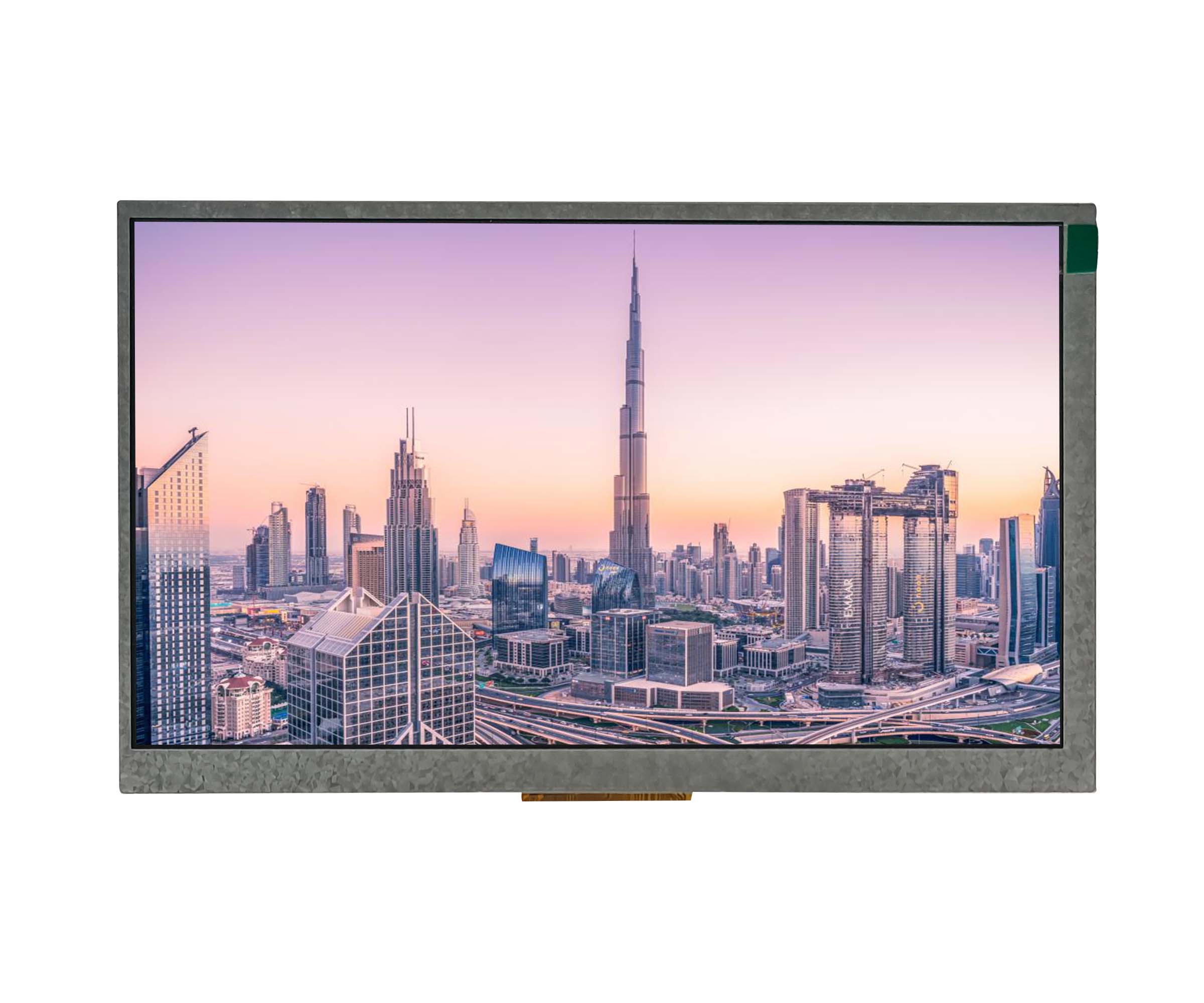
Ready to integrate antimicrobial touch screens into your surgical equipment? Contact CDTech's medical solutions team at sales@cdtech-lcd.com or +86 0755-23032202 to discuss custom TFT LCD specifications and ISO13485-compliant timelines.
FAQs
Do antimicrobial coatings reduce touch screen sensitivity or brightness?
Modern silver-ion and silica-based coatings add <2% optical loss and do not affect capacitive sensing. CDTech's OCA bonding process preserves 99%+ light transmission while maintaining antimicrobial efficacy.
How often do antimicrobial coatings need reapplication in high-use OR environments?
Properly bonded coatings via OCA are permanent and endure standard alcohol/bleach disinfection. CDTech's displays sustain 99% bacteria-kill rates for 500+ cycles, eliminating recoating needs.
Are CDTech's antimicrobial touch screens compatible with existing surgical cart hardware?
Yes. CDTech provides custom sizing and mounting via in-house design. Prototypes arrive in 4 weeks for low-MOQ (10–100 units), ensuring seamless integration without redesign.
What certifications should I verify when sourcing antimicrobial medical displays?
Prioritize ISO13485 (medical), ISO9001 (quality), and ISO22196 (efficacy) testing. CDTech holds ISO9001, ISO13485, ISO14001, and IATF16949, exceeding compliance baselines.
How does CDTech support post-sale technical and regulatory compliance for medical OEMs?
CDTech supplies design docs, testing reports, and regulatory aid for FDA/CE. As ISO13485-certified and National High-tech Enterprise, it shares supply-chain compliance responsibility.


