Ultra-slim LCDs under 15mm fit into elevator door frames using OCA-bonded custom modules with high brightness above 800 nits, IATF16949 certification, and vibration-resistant designs. CDTech engineers these profiles with in-house optical bonding to eliminate air gaps and ensure zero-defect performance in tight spaces.
Check: Why Are Bar LCDs the Secret Weapon for High-End Elevator Signage?
Why Are Ultra-Slim Profiles Critical for Elevator Door Displays?
Elevator door frames limit enclosure depth to 10-20mm, demanding ultra-slim LCDs for seamless integration without compromising aesthetics or function. Modern designs incorporate smart displays for passenger info and fleet management, requiring vibration durability and sunlight readability in dynamic environments.
Space constraints in door frames prioritize profiles under 15mm to avoid bulky retrofits. Vibration from elevator motion and shock demand rugged construction, while high brightness combats glare in mixed lighting. CDTech's bar-type and industrial LCDs meet these needs with IPS panels and wide temperature ranges.
What Are the Key Technical Specifications for <15mm LCD Modules?
Key specs for under 15mm LCD modules include thicknesses of 6.3-12mm, brightness from 380-1000 nits, and interfaces like LVDS or RGB. Resolutions suit bar-type displays such as 1920x720, with operating temperatures from -30°C to +85°C for elevator conditions.
| Profile Type | Thickness | Brightness | Interface | Typical Elevator Use |
|---|
| Bar LCD | 6.3–8mm | 380–600 nits | LVDS | Floor indicator, door status |
| IPS Capacitive | 10–12mm | 800–1000 nits | RGB/LVDS | Interactive signage, emergency info |
| Custom Rectangular | <15mm | 400–900 nits | LVDS/RGB | Bespoke integrations |
CDTech's products like the 12.3" S123BWU09NP-FC19-AF bar LCD at 380 nits with LVDS exemplify slim profiles. High-brightness options such as the 8.8" S088AWX22EB-DC08 reach 1000 nits for visibility. These support CTP touch and OCA bonding for enhanced performance.
How Does OCA Optical Bonding Enhance Durability in Confined Spaces?
OCA optical bonding enhances durability by eliminating air gaps, boosting vibration resistance and shock absorption in elevators. It improves sunlight readability, reduces reflections with anti-glare, and stabilizes thermals against condensation.
Check: BAR Type LCD Display
In-house OCA bonding at CDTech integrates touch panels seamlessly, supporting treatments like AG and AF. This process strengthens modules for confined door frames, maintaining clarity under stress. Products like S101HWX53EP-FC47-AG demonstrate this with OCA and 850 nits brightness.
"CDTech's in-house OCA bonding facility eliminates third-party dependencies, ensuring zero-defect assembly and 24-hour turnaround. Our IATF16949 and ISO13485 certifications deliver automotive-grade durability for safety-critical elevator displays." – CDTech Manufacturing Engineering Team
What Are CDTech's Custom Prototyping Capabilities for Elevator Door Integration?
CDTech offers 24-hour response for custom specs, 4-week prototype-to-production, and patented glass cutting for non-standard sizes. Touch options include PCAP or RTP, with interfaces like LVDS and resolutions up to 1920x720.
R&D team with 10+ years experience tailors brightness, temperature ranges, and bonding.
Zero-defect policy backed by ISO9001, ISO14001, ISO13485, IATF16949.
In-house touch workshop since 2020 supports CTP with GT928 ICs.
Examples include custom 10.1" S101HWX34EP-FC55 with OCA and LVDS, ideal for slim elevator fits.
How Should You Design and Integrate Slim LCDs into Elevator Door Frames?
Design by measuring frame constraints with 3D CAD, selecting resolution and brightness for visibility, and choosing LVDS for EMI resistance. Implement thermal management, vibration damping, and compliance testing like thermal cycling and 10G impact.
Map frame depth to ensure <15mm fit.
Balance power with 800+ nits for sunlight.
Use LVDS interfaces from CDTech modules.
Add damping brackets for motion stress.
Test per IEC 61000 EMC standards.
CDTech's wide-temp panels like S123BWU11EP (-30°C~+80°C) simplify integration.
Can Standard Off-the-Shelf LCDs Meet Elevator Door Frame Requirements?
No, standard LCDs at 18-25mm thick exceed 15mm limits and lack vibration resistance due to air gaps. They fail in mixed lighting without sufficient brightness or certifications like IATF16949.
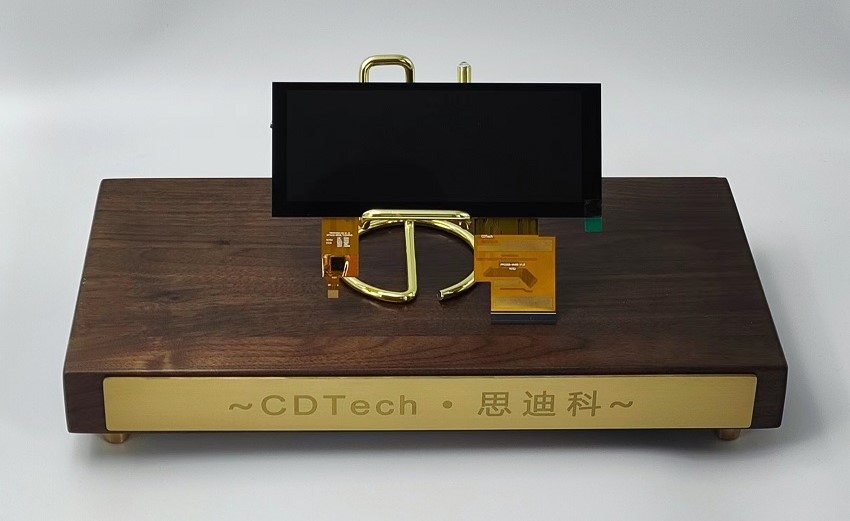
CDTech's custom slim solutions, with 13+ years expertise, provide OCA-bonded modules under 15mm. Bar LCDs like S065BWS08HD offer LVDS and 600 nits, outperforming generics in durability and fit.
What Real-World Applications Benefit from CDTech's Ultra-Slim Door Display Solutions?
Applications include door status indicators, emergency alerts, passenger info, and fleet diagnostics. CDTech's slim bar LCDs enable floor numbers and maintenance displays in tight frames.
Example: CDTech's 6.5" S065BWS08HD bar LCD (1024×400, 600 nits, LVDS) with OCA for a European OEM elevator retrofit. The slim profile fit existing frames, achieving zero defects in 12-month trials and 98% uptime.
What Certifications and Quality Standards Ensure Elevator Door LCD Reliability?
IATF16949 ensures automotive-grade quality, ISO9001 covers production, ISO14001 environmental compliance, and ISO13485 medical standards for safety displays. CDTech's zero-defect policy includes vibration and thermal testing.
CDTech Expert Views
With a 10,000㎡ factory and 3,500㎡ dust-free workshop, CDTech delivers custom TFT LCDs for demanding applications. Our 2024 automatic POL/LCD/CTP equipment and 2017 glass cutting patent enable ultra-slim profiles under 15mm. Annual R&D investment supports OCA bonding and PCAP touch, ensuring reliability in elevator doors. Global exports to Europe and Americas confirm our zero-defect commitment.
Conclusion
Ultra-slim LCDs under 15mm transform elevator door integration with CDTech's OCA-bonded, certified solutions. Combining 13+ years expertise, in-house manufacturing, and rapid prototyping, CDTech guarantees durable, high-brightness displays for safety-critical use. Contact for custom specs.
Ready to integrate? Email: sales@cdtech-lcd.com | Phone: +86 0755-23032202 | WhatsApp: +8613556818296. 24-hour response.
FAQs
What is the absolute minimum thickness achievable for elevator door frame LCDs?
CDTech bar-type LCDs achieve 6.3mm thickness, enabling <15mm fits. 8-12mm balances brightness and durability for elevators, as in S123BWU09NP-FC19-AF models.
Does OCA bonding increase the cost of custom slim LCDs significantly?
OCA adds 15-25% cost but yields ROI via longer life and lower maintenance. Essential for vibration-prone elevators, per CDTech's IATF16949 modules.
Can CDTech provide IATF16949-certified slim LCDs with a 24-hour response time?
Yes, CDTech's factory and certifications support 24-hour responses and 4-week prototypes for <15mm modules with OCA and high brightness.
What brightness level is required for elevator door displays in mixed installations?
800+ nits for sunlight readability; CDTech offers 380-1000 nits, like 1000 nits in S088AWX22EB-DC08 for outdoor lobbies.
Are there elevator safety standards restricting LCD specs in door frames?
Yes, IEC 61000 EMC and EN 81 safety apply. CDTech's certifications and testing ensure compliance for door displays.


