Virtual tooling reduces physical prototyping costs in LCD design by simulating optical performance, thermal behavior, and assembly processes such as OCA bonding before manufacturing. This eliminates 50–70% of costly physical iterations and re-tooling fees, enabling engineers to validate custom TFT LCD designs in weeks rather than months. CDTech's IATF16949 and ISO13485 certifications ensure simulation accuracy for automotive and medical displays.
Check: How to Lower Custom LCD Tooling Costs for Small-Batch Projects?
What Is Virtual Tooling in LCD Display Manufacturing?
Virtual tooling is digital simulation of TFT LCD design, optics, thermal performance, and assembly workflows using software to model behavior before physical investment. It replicates glass cutting, OCA optical bonding, and wide-temperature testing for custom displays in automotive, medical, and industrial sectors, avoiding early tooling errors.
Why Do Physical Prototyping Iterations Cost So Much?
Physical iterations incur high re-tooling fees from mold redesign, glass cutting, OCA bonding setup, and thermal validation, with NRE costs multiplying per change. Mid-production delays add schedule risks, especially for wide-temperature automotive specs like -30°C to +85°C or medical sterility under ISO13485. CDTech's IATF16949 experience highlights these bottlenecks for certified clients.
| Cost Factor | Traditional Prototyping Cost | Impact of One Iteration |
|---|
| Mold & Glass Cutting | $20,000–$50,000 | 100% re-tool fee |
| OCA Bonding Setup | $10,000–$30,000 | Adhesive waste + recalibration |
| Thermal/Vibration Testing | $15,000–$40,000 | Extended lab time |
| Total per Iteration | $45,000–$120,000 | 50–70% savings via simulation |
How Does LCD Design Simulation Eliminate Re-Tooling Iterations?
LCD simulation validates luminance, color accuracy, and viewing angles via optical ray-tracing before glass tooling. Thermal modeling predicts performance across -30°C to +85°C for automotive panels like S123BWU11EP. OCA bonding simulation optimizes adhesive flow and stress, while touchscreen tests ensure CTP response in EMI environments, enabling first-pass success.
"At CDTech, our in-house simulation workflow integrates optical, thermal, and assembly modeling with our 2024 fully automatic POL/LCD/CTP equipment. For a recent 12.3-inch automotive BAR display project like S123BWU11EP, virtual validation cut prototypes from 5 to 1, achieving 4-week turnaround and zero re-tooling. This leverages our glass-cutting patent and OCA expertise for reliable custom TFT LCDs."
— CDTech R&D Engineer, 10+ years in TFT LCD design
What Are the Key Benefits of Virtual Tooling for Custom TFT LCDs?
Virtual tooling cuts re-tooling fees by 50–70%, accelerates time-to-market from 12–16 weeks to 4 weeks, ensures zero-defect quality, and scales high-volume production. For custom displays like S101HWX53EP-FC47-AG with OCA bonding, it amortizes NRE faster, reducing field failures in industrial and vehicle applications.
Which Industries Benefit Most from Virtual Tooling in Display Design?
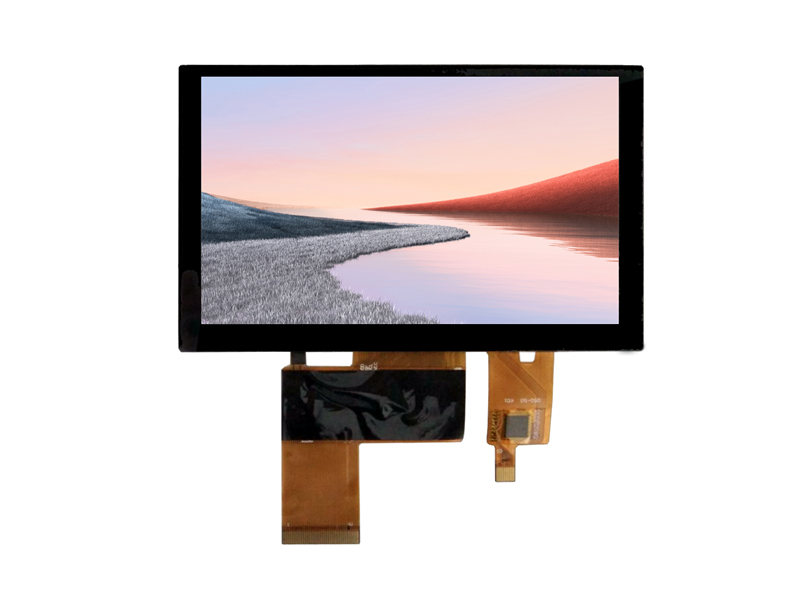
Automotive benefits via BAR-type displays like S123BWU09NP-FC19-AF for wide-temp and EMI validation. Medical devices gain sterile assembly simulation under ISO13485. Industrial control uses it for rugged panels like S121BWX05EP. Smart home/IoT optimizes touchscreen integration. CDTech serves Europe, Americas, Middle East, Russia, Japan, and Taiwan markets.
| Industry | Key Challenge | Virtual Tooling Benefit |
|---|
| Automotive | Wide-temp (-30°C~+85°C) | Thermal simulation for S128HWU01HP-FC01 |
| Medical | Sterility & stability | Assembly modeling (ISO13485) |
| Industrial | Rugged durability | Custom size validation like S070BWS48ED |
| Smart Home | Touch optimization | PCAP/OCA testing |
How Do CDTech's Certifications Ensure Simulation Accuracy?
CDTech's ISO9001, ISO14001, ISO13485, and IATF16949 certifications enforce rigorous quality in simulation outputs. The 10,000㎡ factory with 3,500㎡ dust-free workshop supports precise OCA bonding and glass-cutting patent tech. These ensure first-pass accuracy for automotive displays like S036BWS01EN and medical solutions, building global trust.
Check: Custom LCD Display
What Tools and Technologies Enable Effective LCD Virtual Tooling?
Optical ray-tracing, FEA thermal analysis, and stress simulation integrate with CAD for DFM. CDTech uses in-house tools alongside partners like Ansys for thermal and Synopsys for optics, validating metrics like 1000 nits brightness uniformity and IPS viewing angles. This supports MIPI, LVDS, and RGB interfaces across 2.4" to 12.8" sizes.
How Can Manufacturers Implement Virtual Tooling to Cut Prototyping Costs?
Implement via design simulation, thermal validation, assembly modeling, and DFM feedback loops with early stakeholder input. CDTech's agile process refines iteratively before tooling, supporting 24-hour responses. For custom automotive like S050HWV29ES, this yields rapid NRE approval and 50–70% cost cuts.
"A custom 10.1-inch vehicle TFT LCD project for an OEM faced EMI and OCA challenges. Virtual tooling simulated bonding stress and thermal cycling (-30°C~+80°C), avoiding $75,000 in re-tooling. Physical prototypes matched simulations perfectly, launching in 4 weeks versus 14. CDTech's IATF16949 processes guarantee this reliability."
— CDTech Project Manager, Automotive Display Specialist
Conclusion
Virtual tooling transforms custom TFT LCD development by simulating optics, thermals, and OCA bonding to slash 50–70% of re-tooling costs and timelines. CDTech's quad certifications, in-house R&D, and zero-defect policy deliver first-pass success for automotive panels like S123AWU07ES and industrial solutions. OEMs gain scalable, reliable displays faster. Contact CDTech at sales@cdtech-lcd.com or WhatsApp +8613556818296 to simulate your next project.
FAQs
How much can virtual tooling save on re-tooling fees for a custom automotive LCD?
Virtual tooling typically reduces re-tooling fees by 50–70% for custom automotive LCDs like S128HWU01HP-FC01. A $50,000 NRE project drops to $15–20,000 via simulation, as CDTech's IATF16949 track record shows, avoiding mold and bonding iterations.
What is the typical timeline difference between traditional prototyping and virtual tooling?
Traditional prototyping takes 12–16 weeks with multiple physical builds; virtual tooling compresses to 4 weeks. CDTech's approach verifies designs like S101HWX53EP-FC47-AG virtually first, accelerating OEM time-to-market under production pressure.
Can virtual tooling guarantee zero defects in the first production run?
Virtual tooling significantly reduces defect risk but pairs with physical testing. CDTech's zero-defect policy, backed by ISO13485/IATF16949, OCA/thermal validation, minimizes failures in displays like S070BWS48ED for first-run success.
Which display types benefit most from virtual tooling—standard or custom TFT LCDs?
Custom TFT LCDs like OCA-bonded, wide-temp automotive (S123BWU11EP) or BAR-types (S088AWX22EB-DC08) yield highest ROI due to intense NRE. CDTech's custom capabilities maximize simulation value over standard panels.
How does OCA optical bonding simulation improve prototype accuracy?
OCA simulation models adhesive flow, bubble prevention, and thermal stress, predicting yields before bonding. CDTech's in-house expertise and glass-cutting patent ensure accuracy for panels like S121BWX05EP-FC10, enhancing sunlight readability and durability.
Cost, Tooling and Commercial Terms