Multi-interface car LCD displays supporting RGB, MCU, SPI, and LVDS enable automotive engineers to prototype flexible smart cockpit designs rapidly while maintaining scalability across vehicle platforms. IATF16949-certified manufacturers with zero-defect policies ensure reliability for adaptive interfaces that respond to screen size, driving context, and user preferences—future-proofing vehicle UI investments.
Check: How Capacitive Touch Panel Works
What Are the Key Interface Options for Automotive LCD Displays Today?
Key interface options for automotive LCD displays include RGB, MCU, SPI, and LVDS, each offering distinct advantages in data transmission speed, power efficiency, and integration complexity for smart cockpit applications.
In the rapidly evolving landscape of smart cockpits, automotive LCD displays must support diverse interfaces to meet varying prototyping needs. RGB provides parallel data transmission ideal for high-resolution displays with simple controller integration. MCU interfaces enable direct microcontroller communication, perfect for low-cost, compact designs. SPI offers serial data transfer for space-constrained modules, while LVDS delivers high-speed, low-noise signaling for premium dashboard panels. These options allow engineers to select the best fit based on resolution requirements, cable length, and electromagnetic compatibility in vehicles.
With the automotive display market projecting a 15-20% CAGR through 2026, driven by ADAS and multi-screen setups, understanding these interfaces is crucial for innovation. Diversified interface design ensures compatibility with legacy systems and future software-defined vehicles, supporting over-the-air updates and modular architectures.
How Do RGB, MCU, SPI, and LVDS Compare for Smart Cockpit Prototyping?
RGB excels in high-bandwidth parallel data for cost-effective prototyping; MCU suits simple MCU-driven controls; SPI provides compact serial links; LVDS offers superior speed and EMI resistance for advanced smart cockpits—choosing depends on resolution, distance, and power needs.
Comparing these interfaces reveals trade-offs tailored to automotive prototyping. RGB's parallel lines support up to 24-bit color depth but require more pins and shielding against noise. MCU interfaces simplify development with built-in controllers, ideal for rapid proof-of-concepts in instrument clusters. SPI minimizes wiring for bar-type displays but limits bandwidth. LVDS, with differential signaling, achieves gigabit speeds over long cables, essential for curved dashboard screens.
| Interface | Pros | Cons | Best for Smart Cockpit Use |
|---|
| RGB | High resolution, low cost, easy integration | High pin count, EMI susceptible | Entry-level dashboards, prototyping |
| MCU | Simple setup, low power | Limited speed, basic graphics | Compact gauges, HMI prototypes |
| SPI | Few wires, compact | Low bandwidth, short distance | Small secondary screens |
| LVDS | High speed, low noise, long cable | Higher complexity, cost | Premium multi-screen cockpits |
CDTech’s support for RGB, MCU, SPI, and LVDS accelerates prototyping by allowing seamless switching without hardware redesigns, granting design freedom in smart cockpit development.
Why Is Multi-Interface Support Critical for Future-Proof Car LCD Design?
Multi-interface support allows rapid iteration across prototypes, reduces redesign risks, and ensures scalability from economy to luxury vehicles, future-proofing designs amid evolving smart cockpit standards and OTA updates.
Smart cockpits demand adaptability as vehicles shift toward software-defined architectures. Single-interface panels lock engineers into rigid ecosystems, slowing iteration amid frequent UI updates. Multi-interface LCDs like those from CDTech enable testing multiple controllers early, cutting time-to-market by 30-50%. This flexibility supports diversified interface design, accommodating MIPI transitions while maintaining RGB compatibility for legacy ECUs.
In high-stakes automotive environments, where reliability trumps speed alone, multi-interface options mitigate supply chain risks and foster innovation. Vehicle LCD flexibility becomes paramount for integrating ADAS visualizations and personalized UIs without full panel replacements.
CDTech Expert Views
"At CDTech, our native support for RGB, MCU, SPI, and LVDS interfaces stems from a decade of automotive-focused innovation. Established in 2011 in Shenzhen, our 10,000㎡ factory with 3,500㎡ dust-free workshops enables customized TFT LCDs that slash prototyping cycles. IATF16949 certification and zero-defect policy ensure every smart cockpit display withstands vibration, temperature extremes, and glare. We partner globally to deliver touch-integrated solutions, empowering engineers with design freedom for tomorrow's vehicles." – CDTech Automotive Display Specialist
How Should Flexible UI Adapt Across Different Car Screen Sizes and Configurations?
Flexible UI adapts via responsive layouts that scale content across 7-12.3 inch screens, using vector graphics, modular grids, and dynamic zoning to maintain readability on curved, bar-type, or multi-panel cockpit configurations.
Car LCDs range from 4.3-inch gauges to 12.3-inch panoramas, requiring UIs that reflow seamlessly. Responsive design principles—fluid grids, flexible images, and media queries—ensure icons and gauges resize without distortion. For smart cockpits, prioritize information hierarchy: critical data like speed in primary zones, secondary nav in edges.
Diversified configurations, such as pillar-to-pillar displays, benefit from vehicle LCD flexibility. High-brightness TFT panels with wide viewing angles prevent washout, while touch overlays enable gesture controls. Prototyping with multi-interface support tests these adaptations early, aligning UI with diverse vehicle platforms.
What Role Do Information Architecture and Multi-Modal Controls Play in Safe Driving Interfaces?
Information architecture organizes data by priority for glanceable access, while multi-modal controls (touch, voice, haptics) reduce cognitive load, enhancing safety in dynamic driving environments per NHTSA guidelines.
Safe driving demands intuitive interfaces. Information architecture employs layered hierarchies: Level 1 for eyes-on-road essentials, Level 2 for infotainment. Multi-modal inputs—capacitive touch, voice via MCU-integrated mics, haptic feedback—minimize glances, complying with ISO 26262 standards.
In smart cockpits, these elements integrate via flexible UI design, with LVDS feeding high-res feeds to clustered screens. Custom touch screen displays automotive-grade ensure durability, supporting zero-defect reliability for distraction-free experiences.
Can Rapid Prototyping with Customized TFT LCDs Accelerate Your Development Timeline?
Check: Car Display Requirements Guide
Yes, customized TFT LCDs with multi-interface support cut prototyping from months to weeks by enabling quick controller swaps, optical bonding tests, and iterative UI validation tailored to smart cockpit specs.
Rapid prototyping hinges on suppliers offering RGB-to-LVDS versatility. CDTech's OEM/ODM workflows deliver samples in days, with wide-temperature panels for real-world testing. Automotive TFT LCD prototyping workflows include schematic reviews, touch integration, and glare-resistant backlights, accelerating from concept to validation.
| Prototyping Stage | Multi-Interface Benefit | Time Savings |
|---|
| Initial Integration | Plug-and-play controllers | 2-4 weeks |
| UI Iteration | Seamless interface swaps | 1-2 weeks |
| Environmental Testing | Pre-certified durability | 3 weeks |
| Production Ramp | Scalable customization | 4-6 weeks |
This approach future-proofs designs against shifting requirements.
Which Certifications and Manufacturing Standards Matter Most for Automotive Display Reliability?
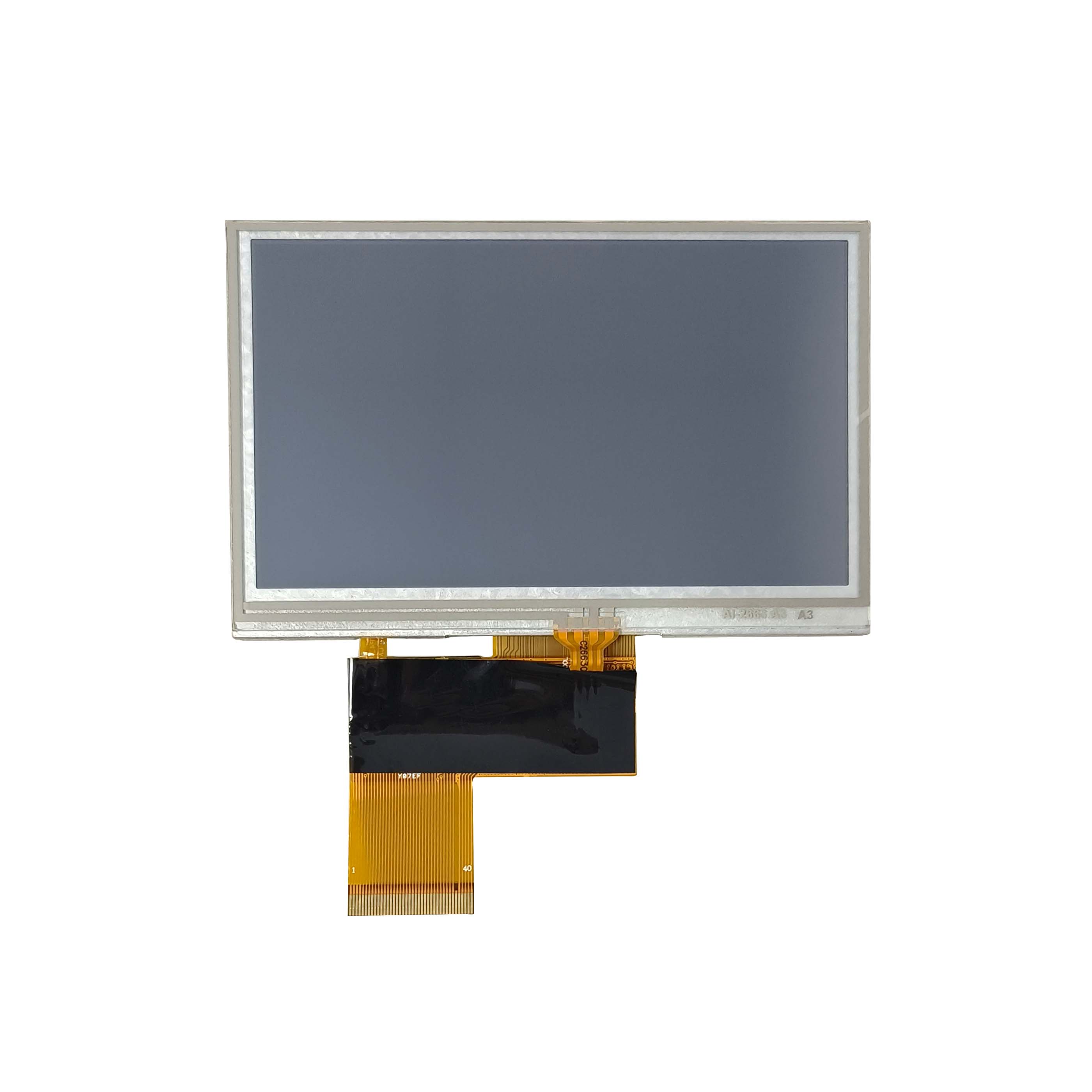
IATF16949 for quality management, ISO26262 for functional safety, and AEC-Q100 for components are essential; they ensure displays withstand automotive stresses like vibration and -40°C to 85°C operation.
Automotive pros prioritize certifications signaling reliability. IATF16949 mandates defect prevention, while ISO14001 covers environmental compliance. A 10,000㎡ factory with automated lines upholds these, producing shock-resistant panels. Zero-defect policies, backed by advanced testing, minimize recalls in safety-critical cockpits.
How Can IATF16949-Certified Suppliers Enable Zero-Defect Vehicle Display Solutions?
IATF16949-certified suppliers implement rigorous PPAP processes, traceability, and continuous improvement to achieve zero-defect rates, delivering reliable displays via automated production and 100% testing in dust-free facilities.
IATF16949 drives systemic excellence, from supplier audits to FMEA risk analysis. Suppliers like CDTech leverage this in their Shenzhen facility for automotive LCDs, ensuring wide-angle, high-brightness panels pass vibration and thermal cycling. Zero-defect manufacturing integrates LOCA bonding for optical clarity, fostering long-term partnerships in smart cockpit evolution.
Conclusion
Embracing multi-interface car LCDs with RGB, MCU, SPI, and LVDS support revolutionizes smart cockpit design, offering prototyping speed, UI flexibility, and reliability. Partnering with IATF16949-certified experts like CDTech accelerates innovation while upholding zero-defect standards. Explore CDTech's customized TFT LCD solutions with native multi-interface support and IATF16949 certification to accelerate your smart cockpit prototyping and achieve zero-defect automotive display reliability.
Frequently Asked Questions
What interfaces does CDTech support for car LCDs? CDTech supports RGB, MCU, SPI, and LVDS for versatile automotive prototyping.
Why choose IATF16949-certified LCD suppliers? They ensure automotive-grade quality, defect prevention, and compliance for vehicle displays.
How do multi-interface displays speed up smart cockpit development? They allow quick controller testing and iteration without hardware changes.
Are CDTech's displays suitable for extreme vehicle conditions? Yes, with wide temperature range, high brightness, and shock resistance.
Can CDTech provide custom touch-integrated LCDs? Absolutely, with full OEM/ODM services from their 10,000㎡ factory.