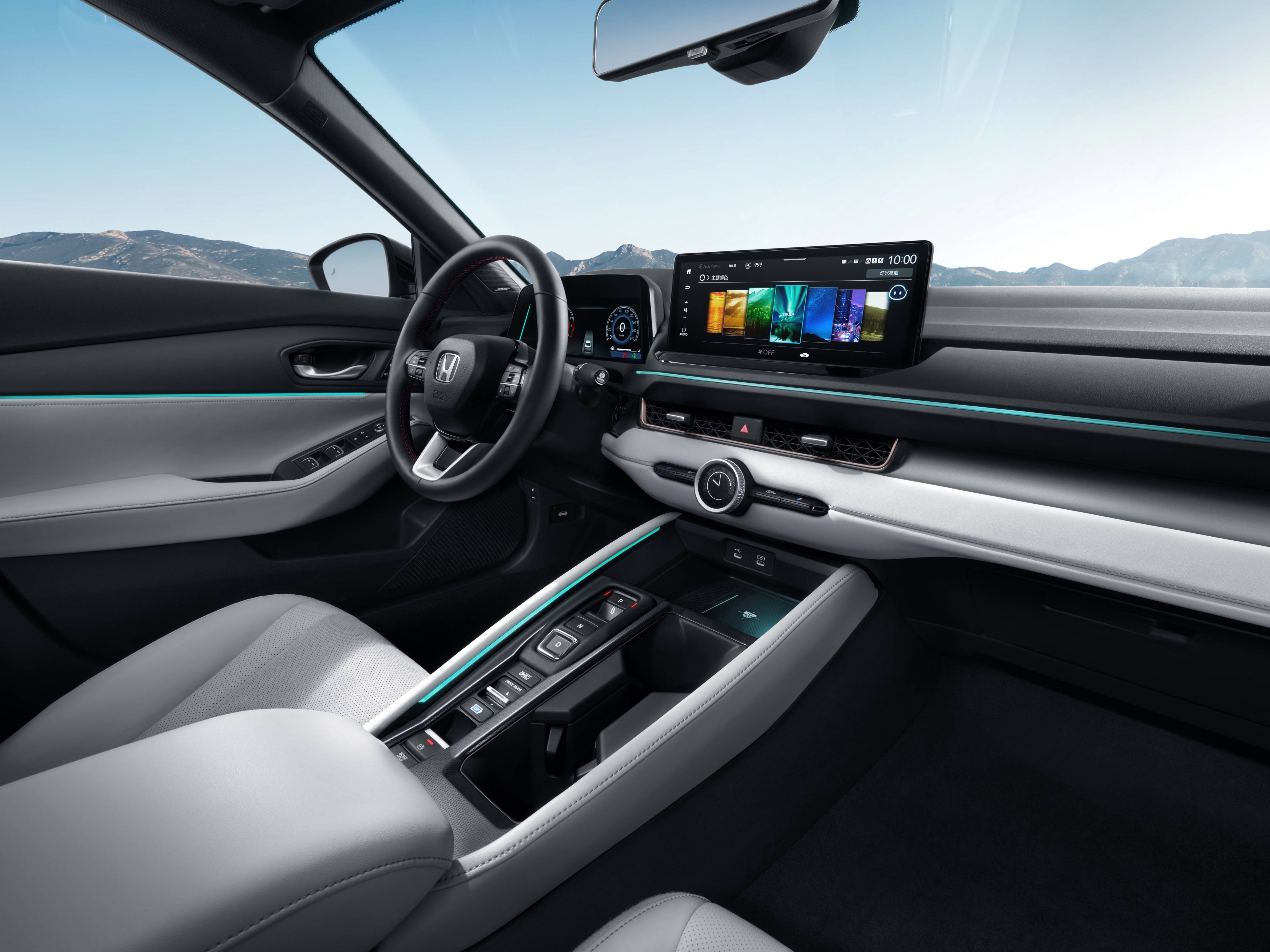
A car speedometer instrument panel is the informational heart of every vehicle, bringing together speed, engine data, warnings, and driving assistance into one glanceable interface. Understanding how your instrument cluster works helps you drive safer, maintain your car better, and make smarter choices when upgrading or customizing your dashboard.
What Is a Car Speedometer Instrument Panel?
A car speedometer instrument panel, often called an instrument cluster or gauge cluster, is the group of gauges, indicators, and digital displays mounted in front of the driver. It shows your vehicle speed, engine rpm, fuel level, coolant temperature, odometer readings, and a wide range of warning lights and driver-assistance notifications. In modern cars, this panel often combines analog-style dials with digital LCD or TFT displays, or it becomes a fully digital virtual cockpit.
Traditional mechanical clusters relied on physical needles driven by cables and gears, but most vehicles today use electronic sensors and microcontrollers to convert vehicle speed, engine data, and sensor signals into numerical and graphical displays. The goal is simple: deliver critical driving information with minimal distraction, in real time, and in a form the driver can understand at a glance.
Key Components of a Car Instrument Panel
A modern car speedometer instrument panel contains several core elements that nearly every driver recognizes.
Speedometer: Displays vehicle speed in miles per hour, kilometers per hour, or both, typically using an analog dial, digital readout, or a combination of both.
Tachometer: Shows engine revolutions per minute, helping drivers of manual and performance vehicles shift efficiently and avoid engine over-revving.
Fuel gauge: Indicates remaining fuel in the tank and often works with a low-fuel warning light and estimated range display.
Coolant temperature gauge: Monitors engine operating temperature and alerts the driver to overheating conditions.
Odometer and trip meters: Track total distance traveled and resettable trip distances for tracking fuel economy, trip length, and maintenance intervals.
Warning and indicator lights: Provide visual alerts for airbag, ABS, check engine, tire pressure monitoring, battery charging system, seat belts, doors open, parking brake, and more.
Multi-function information display: In many cars, a central LCD or TFT screen in the cluster provides navigation prompts, media info, phone data, ADAS status, and vehicle settings.
Behind the visible front, the instrument panel includes circuit boards, stepper motors for needle gauges, LED backlighting, and one or more microcontrollers that receive data from the engine control unit and body control modules over CAN or LIN communication buses.
Analog vs Digital Speedometer Instrument Clusters
The shift from analog to digital instrument clusters has transformed how drivers interact with vehicle data. An analog speedometer instrument panel uses physical needles and printed dials, offering a classic look and excellent legibility in many conditions. A digital speedometer instrument panel, by contrast, renders speed, rpm, and other metrics on LCD, TFT, or OLED displays in customizable layouts.
Analog clusters:
Provide intuitive needle movement for speed and rpm.
Are simple, durable, and lower cost.
Offer limited flexibility for layout or language changes.
Digital clusters:
Allow reconfigurable layouts, themes, and gauge styles.
Integrate navigation maps, media, phone, and ADAS graphics.
Support advanced alerts like lane departure, adaptive cruise distance, and blind-spot visualization.
Many vehicles use hybrid instrument clusters that blend analog gauges for speed or rpm with a central digital display. This approach preserves the familiar feel of analog dials while adding a rich information layer in the middle of the dashboard.
LCD and TFT Display Technology in Instrument Panels
Modern digital speedometer instrument panels rely on LCD and TFT technology. Standard passive LCD displays are often monochrome, suitable for simple numeric speed readouts, trip computers, and basic message centers. TFT panels, which are active-matrix LCDs with a transistor for each pixel, offer higher brightness, color depth, and faster response times.
TFT speedometer displays:
Deliver rich graphics, full-color icons, and smooth animations.
Provide wide viewing angles and high contrast for readability in bright sunlight and at night.
Support complex visualizations such as 3D vehicle representations, augmented reality overlays, and dynamic ADAS visual cues.
Standard LCD speedometer displays:
Consume less power and are well-suited for simple numeric indicators.
Are cost effective for entry-level vehicles and motorcycles.
May have narrower viewing angles and less vivid color.
As electrification and connected car features continue to expand, high-resolution TFT LCD panels have become the default choice for premium and mid-range instrument clusters, with sizes ranging from small auxiliary displays to full-width panels spanning the entire dashboard.
Market Trends for Car Speedometer Instrument Panels
The global automotive instrument cluster market is growing as vehicles add more connectivity, electrification, and driver-assistance features. Analysts project that instrument cluster revenues will increase steadily over the decade, driven by demand for digital instrument clusters, heads-up displays, and integrated cockpit platforms that merge instrument panel, center display, and HVAC controls.
Digital instrument clusters are expanding even faster than the overall cluster market, with strong compound annual growth supported by:
Rising adoption of electric vehicles that require new speedometer layouts and battery, range, and energy flow displays.
Integration of advanced driver-assistance systems that use the instrument panel to show lane centering, adaptive cruise status, traffic sign recognition, and automated parking information.
Consumer expectations for smartphone-like interfaces, high brightness, and seamless connectivity.
Manufacturers of instrument clusters and display modules are investing in new TFT panel technologies, local dimming, curved glass, and anti-reflective coatings to improve visibility and driver comfort. They are also working on software platforms that allow long-term over-the-air updates to cluster themes, features, and regulatory requirements.
At this point in the ecosystem, specialist suppliers like CDTech play a crucial role. CDTech is a professional LCD display manufacturer and LCD panel supplier established in Shenzhen in 2011, providing TFT LCD displays, touch screens, and HDMI solutions for automotive and instrumentation applications with a strong focus on quality, certification, and customization.
How a Car Speedometer Instrument Panel Works
Under the surface, the car speedometer instrument panel is a data translation hub. Sensors measure wheel speed, engine rpm, fuel level, fluid temperatures, and pressures, while the engine control unit and transmission control modules calculate derived quantities like speed, gear selection, and torque.
The process typically follows these steps:
Wheel speed sensors or transmission output sensors detect rotation.
The engine or transmission control unit converts these signals into a vehicle speed value.
The control units send speed and other data over CAN bus to the instrument cluster’s microcontroller.
The cluster processes the incoming data and updates the speedometer needle position or digital speed display, tachometer, fuel level, and warning messages.
The cluster sends selected information back to other modules if needed, such as odometer data or immobilizer validation.
Modern instrument clusters also manage brightness, day and night modes, and color themes automatically based on ambient light sensors and driver settings. In some vehicles, one cluster unit may incorporate additional logic for immobilizer systems, meaning that cluster replacement requires coding and programming to match the car’s keys and security data.
Common Instrument Panel Indicators and Their Meanings
The car speedometer instrument panel includes many standard warning and status indicators. Understanding these icons and lights is essential:
Check engine light: Indicates the engine control unit has detected a fault in the emissions or powertrain system.
ABS light: Signals a problem with the anti-lock braking system or associated sensors.
Airbag or SRS light: Warns of a fault in the airbag or supplemental restraint system.
Battery or charging system light: Suggests an issue with alternator, battery, or charging circuit.
Engine temperature warning: Triggers when coolant temperature exceeds safe limits.
Oil pressure warning: Indicates low engine oil pressure that can cause rapid engine damage.
Tire pressure monitoring light: Alerts to one or more tires with low pressure.
Stability control or traction control indicators: Show when stability control is active or if a system fault exists.
Many instrument clusters provide text messages and audible chimes that accompany these icons, making it easier for drivers to interpret issues and respond promptly.
Car Speedometer Accuracy and Calibration
Speedometer accuracy is critical for safety, compliance, and driver trust. Electronic speedometers are generally designed to avoid under-reporting speed. Regulations in many regions require that indicated speed must never be lower than actual speed, within a defined tolerance. As a result, some cars intentionally display a speed that is slightly higher than true road speed, typically a small percentage difference.
Over time, changes in tire size, gear ratios, or wheel diameter can affect speedometer readings. Installing larger or smaller aftermarket wheels and tires can cause the speedometer to over-read or under-read actual speed. Many modern vehicles allow electronic speedometer calibration when tire sizes change, and specialized diagnostic tools can adjust cluster parameters.
High-end digital speedometer instrument panels in performance vehicles may use GPS data, sensor fusion, and advanced algorithms to enhance speed accuracy at high speeds, especially when wheel slip or tire wear might affect mechanical measurements.
Upgrading and Customizing Instrument Clusters
Enthusiasts and fleet operators often look to upgrade or customize the car speedometer instrument panel for improved readability, aesthetics, or functionality. Popular options include:
Replacing analog clusters with digital or hybrid clusters featuring graphic themes and additional menus.
Installing aftermarket gauge clusters with larger speed indicators or performance gauges such as boost pressure, oil temperature, and lap timers.
Adding auxiliary displays like head-up displays or GPS speedometer projectors that mirror speed on the windshield or a secondary screen.
Retrofitting TFT LCD panels into older vehicles to bring modern visuals into classic dashboards.
When modifying or replacing an instrument panel, it is essential to consider compatibility with vehicle communication buses, immobilizer systems, airbag modules, and regulatory requirements. Professional installation and coding may be necessary to ensure that the upgraded cluster works reliably and does not trigger error messages or safety system malfunctions.
Car Instrument Panel Repair and Troubleshooting
Instrument panel failures can manifest in many ways: dead speedometer, flickering lights, inoperative fuel gauge, or complete cluster blackout. Common causes include:
Failing stepper motors in analog gauge clusters causing sticky or inaccurate needle movement.
Cracked solder joints or aging capacitors on the cluster circuit board.
Broken backlighting or failing LEDs leading to dim or partially dark displays.
Communication errors on the CAN bus causing intermittent data loss.
Faulty sensors for speed, fuel level, or temperature feeding incorrect data.
Basic troubleshooting starts with checking fuses, ensuring good vehicle battery voltage, and scanning the car for diagnostic trouble codes using an OBD tool. Specialized repair services can refurbish clusters by replacing stepper motors, repairing solder joints, and updating firmware, often at lower cost than full cluster replacement. For digital clusters, pixel defects or dead zones on TFT or LCD screens usually require panel replacement or an entire cluster unit swap.
Instrument Cluster Design, Ergonomics, and Safety
Automotive designers place significant emphasis on the ergonomics and visual design of the car speedometer instrument panel. The cluster must be readable in direct sunlight, at night, and during quick glances while driving. Key principles include:
Priority hierarchy: Speed, critical warnings, and safety alerts receive the most prominent positions and highest contrast.
Consistency: Gauge motion, colors, and icon shapes follow familiar conventions to minimize driver confusion.
Minimal distraction: Information is grouped logically, and complex menus stay out of the driver’s main field of view during active driving.
Adaptive behavior: Brightness and color schemes adjust between day and night modes, and some clusters offer reduced display modes focusing only on essential data during nighttime or long highway drives.
The rise of head-up displays and central infotainment screens has made instrument panel design more holistic, with information distributed across multiple surfaces. However, the primary cluster remains the core reference for speed, warnings, and legal requirements.
Car Instrument Panel for Electric and Hybrid Vehicles
Electric vehicle and hybrid instrument panels differ from traditional gasoline dashboards. Instead of only showing rpm and fuel level, EV speedometer clusters highlight:
Battery state of charge and estimated range.
Power flow meters indicating whether the vehicle is using energy or regenerating it under braking.
Energy consumption history and efficiency scores to promote efficient driving.
Drive mode indicators such as Eco, Normal, Sport, or one-pedal drive modes.
Hybrid vehicles may combine both engine rpm and hybrid power flow graphics, showing when the gasoline engine is off, when electric motors assist, and when regenerative braking charges the battery. These specialized layouts make the EV and hybrid driving experience more intuitive by turning abstract energy data into understandable gauges and color-coded bars.
Automotive Instrument Panel Suppliers, OEMs, and Aftermarket Brands
The market for car speedometer instrument panels includes large Tier 1 suppliers, specialized display manufacturers, and aftermarket brands. Major companies design and produce complete instrument cluster modules for vehicle manufacturers, integrating mechanical components, electronics, and software. Display specialists provide TFT and LCD modules, backlights, and touch integration that become the visual front-end of digital clusters.
In the aftermarket, companies offer direct-fit replacement clusters, customizable gauge sets for performance builds, and universal digital speedometer panels for classic car restorations, off-road vehicles, and motorsports. Many products support user-configurable themes, user-selectable units, and data logging, offering more features than original factory clusters for enthusiasts and professional racers.
Core Technology: Sensors, Microcontrollers, and Software
The technology behind a car speedometer instrument panel brings together sensors, microcontrollers, power electronics, and sophisticated embedded software. Core elements include:
Vehicle speed sensors, wheel speed sensors, and transmission outputs providing rotational speed data.
Fuel level sensors using float arms or capacitive measurement in fuel tanks.
Thermistors and temperature probes for coolant, oil, and transmission fluid.
Pressure sensors for oil, fuel, brake systems, and tire pressure.
Microcontrollers that manage data decoding, gauge control, screen rendering, and communication with other control modules.
Embedded software inside the cluster handles gauge mapping, smoothing of sensor data to prevent needle jitter, diagnostic routines, error logging, and display themes. For digital TFT instrument panels, graphics processors or dedicated display drivers handle resolution, refresh rate, and visual effects.
Security and safety standards require redundancy and fail-safe behavior. For example, if the main communication bus fails, some instrument panels can still display minimal speed or warning lights using backup signals or internal fallback strategies.
Car Speedometer Instrument Panel and ADAS Integration
Advanced driver-assistance systems rely heavily on the instrument cluster to communicate their status and warnings to the driver. Modern car speedometer instrument panels display:
Lane-keeping and lane-centering indicators.
Adaptive cruise control set speed, following distance, and target vehicle visualization.
Forward collision warnings and automatic emergency braking alerts.
Blind-spot monitoring and rear cross-traffic alert icons.
Traffic sign recognition, speed limit reminders, and intelligent speed assistance notifications.
The instrument panel may show animated lane markings, colored distance bars, and steering wheel icons that make ADAS behavior more understandable. With the growth of partial automation, clusters are expected to clearly show when the driver must take control and when assistance is active or unavailable.
Real-World User Cases and ROI of Premium Clusters
Drivers who upgrade to a high-quality digital speedometer instrument panel often report tangible benefits, especially in fleet operations and professional driving environments. Some observed advantages include:
Improved speed compliance through larger, clearer digital speed readouts and optional colored speed bands that reduce speeding tickets and related costs.
Reduced driver fatigue and error thanks to clean layouts, high contrast, and configurable display modes that remove unnecessary clutter during long trips.
Faster fault detection using detailed warning messages and graphical indicators, which can lower maintenance costs by catching issues early.
Higher resale value for vehicles equipped with premium digital clusters and modern cockpit designs.
Fleet managers may justify investments in advanced instrument panels and heads-up displays by tracking reductions in accidents, improved fuel economy due to eco-driving prompts, and better uptime from proactive maintenance alerts delivered through the instrument cluster.
Top Types of Car Speedometer Instrument Panels
The market offers several main categories of speedometer instrument panels, each developed for different vehicles and use cases. The table below gives an overview.
These categories cover most market offerings, from factory-installed original equipment to specialized aftermarket solutions tailored to enthusiasts and professionals.
Competitor and Feature Comparison Matrix
Instrument panels and digital speedometer clusters compete on display quality, feature sets, and integration capability. This comparison-style matrix captures the most important aspects for buyers.
This simplified view helps clarify which category best serves everyday driving, fleet management, or enthusiast applications.
Buying Guide: Choosing the Right Car Speedometer Instrument Panel
When choosing or upgrading a car speedometer instrument panel, consider these factors:
Vehicle compatibility: Confirm that the cluster fits your make, model, year, and engine configuration, and that it supports your vehicle’s communication protocols.
Display type: Decide whether you prefer analog, hybrid, or fully digital TFT, based on visual preference and feature needs.
Visibility and brightness: Look for high brightness, anti-glare coatings, and wide viewing angles if you often drive in bright sunlight.
Features and expansions: Evaluate whether you need navigation prompts, performance gauges, energy flow displays for EVs, ADAS graphics, or head-up display outputs.
Software and updates: For digital clusters, consider how firmware updates are provided, whether themes can be changed, and how long software support is expected.
Professional installation vs DIY: Some universal GPS speedometers or plug-and-play HUDs are DIY-friendly, while factory cluster replacements may require coding and specialized diagnostic tools.
Carefully evaluating these points ensures your chosen speedometer instrument panel supports your driving style, environment, and future technology needs.
Future Trends in Car Speedometer Instrument Panels
The future of the car speedometer instrument panel is increasingly digital, connected, and intelligent. Several trends are emerging:
Seamless full-width displays: Instrument clusters are merging with center infotainment and passenger displays to create continuous glass surfaces with context-aware layouts.
Augmented reality integration: Instrument clusters and head-up displays will overlay navigation arrows, hazard warnings, and speed limits directly onto the driver’s view in intuitive ways.
Personalization and profiles: Drivers will be able to save personalized layouts, color schemes, and data priorities that the vehicle loads automatically based on key or smartphone recognition.
Software-defined clusters: Instrument panels will evolve throughout the vehicle’s life with new features and layouts delivered through software, instead of remaining fixed at the time of manufacture.
Advanced analytics: Clusters will work alongside telematics systems to provide insights into driving patterns, maintenance predictions, and eco-driving coaching.
As vehicles become more automated and connected, the instrument panel will remain the primary communication channel between the car and the human in the seat, guiding transitions between automated and manual control and helping drivers stay informed without feeling overwhelmed.
Conversion-Focused Next Steps for Readers
If you are a driver, reviewing your current car speedometer instrument panel and learning all its warning indicators and menu options is the first step toward safer, more informed driving. Explore your settings for brightness, themes, and customizable displays so that the most important data, especially speed and safety alerts, are always easy to read.
If you are considering an upgrade, assess your goals: better visibility, more data, or a modernized look. Then choose between factory-style replacements, universal GPS speedometers, or fully digital clusters that match your vehicle and technical comfort level. For automotive professionals, now is a strategic moment to align with reliable display and cluster suppliers, invest in modern TFT LCD solutions, and design interfaces that balance rich data with clarity, comfort, and safety.
Instrument Clusters and HUD