Copyright © 2020-2021 Shenzhen CDTech Electronics LTD. All rights reserved. Site Map Powered by iwonder.cn

display / touch / bonding solutions
display / touch / bonding solutions
A display buyer can negotiate a firm unit price and still pay more than expected at the border, because duty is calculated on a customs value and at a rate attached to a tariff heading. The legal description of the goods, the adjustments that enter the customs value and the evidence behind both determine the final cost.
LCD modules sit in an awkward part of the tariff. A bare module, indicator panel and finished monitor can look similar but carry different headings. This guide covers the choice, how valuation treats tooling and NRE, and the invoice wording that supports the declared code.
Customs classifies the goods at the border, not the label in the quotation. Three identities compete: a module for incorporation, a complete monitor, and an indicator panel whose function is signalling.
Heading 8524 covers flat panel display modules, with or without touch. Heading 8528 covers monitors; 8531 includes indicator panels incorporating LCDs. These are heading-level illustrations, not national tariff lines.
The WCO Harmonized System provides the structure, and its rules start with heading text and notes. A unit with its own housing, power, video input and stand is argued as apparatus; a module built into another product is argued as a module.
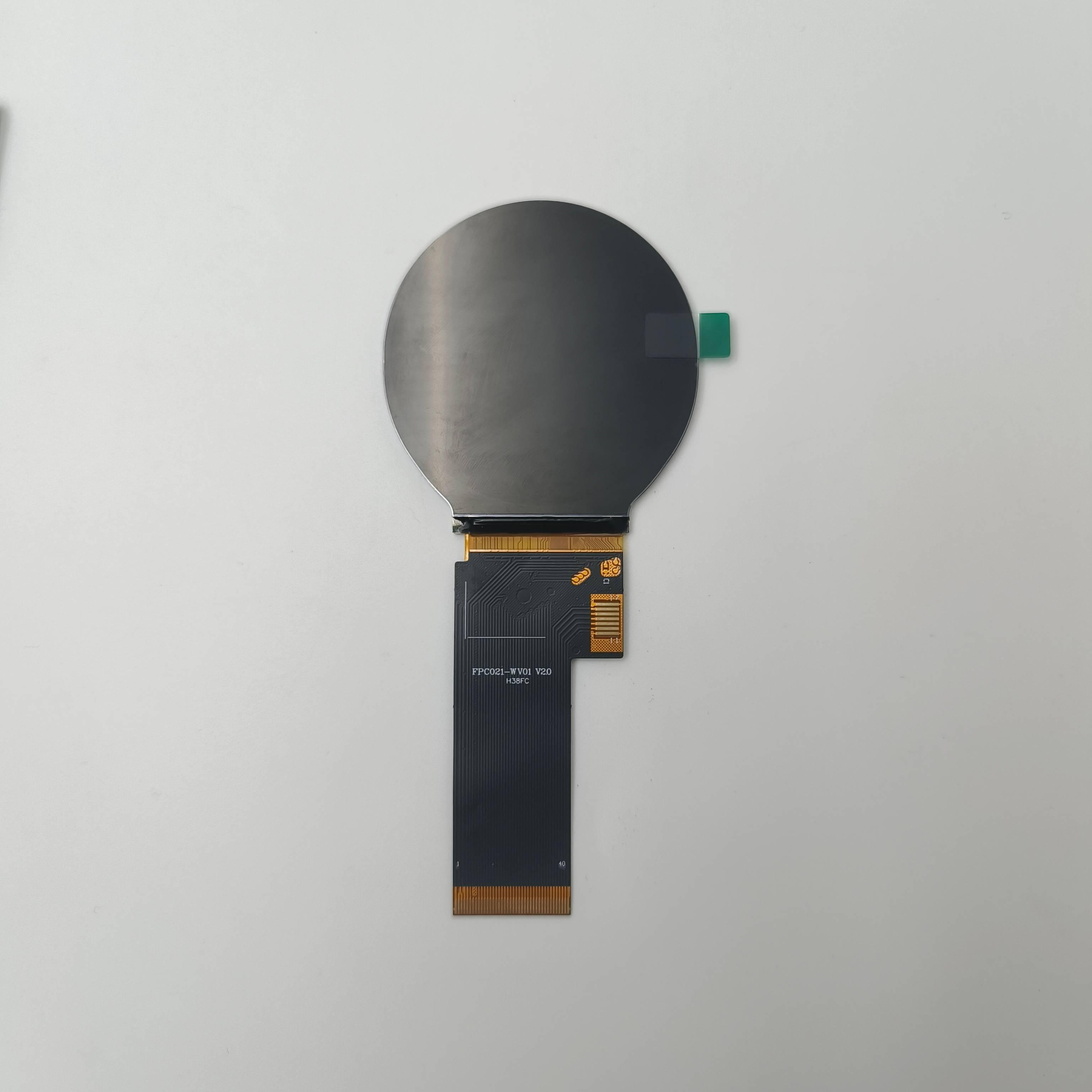
Duty is not set by the word module. The rate comes from the national tariff line, origin, import date and preferential agreements.
| Candidate heading | What supports it | Rate pattern to expect | Main classification risk |
|---|---|---|---|
| 8524 flat panel display modules | Module without a complete housing, designed for incorporation; touch may be integrated | A module line that varies by country, origin and screen technology | A housed, stand-alone monitor declared as a module |
| 8528 monitors and display apparatus | Complete apparatus with housing, power, video interface and direct-use design | A finished-apparatus line, often different from the module line | A complete unit under-declared as a part to obtain another rate |
| 8531 indicator panels and similar apparatus | Display whose primary function is signalling, often with control electronics | A function-based line that varies by national tariff | Treating every LCD as an indicator panel because it has a display |
The module and apparatus lines can differ, so classification deserves review before the purchase order. The same panel can move to another line once housed, and national subheadings can separate technologies the six-digit heading does not.
Touch rarely decides the heading on its own.
A touch layer can be part of a display module, but classification still turns on what the unit does and how it is presented at import.
Heading 8524 expressly includes flat panel display modules with touch-sensitive screens, so adding touch does not automatically push a module into the monitor heading. The more important facts are whether the unit has a complete housing, its own power supply, a standard video input and a design that lets an end user operate it without further assembly. Touch affects the bill of materials and may affect value; it does not replace that analysis.
A separate touch sensor without a display is a different article, and a bonded touch assembly may be one unit or parts depending on the state at import. If the touch stack includes a cover glass, controller and bonded display, the invoice should describe the assembly that actually ships. The memo should show the touch construction and state whether the unit is designed for incorporation.
Heading text is general, so the importer maps it to features at import: housing, power, interface, mounting, packaging and instructions. The review starts with the unit as packed, not as installed later.
A module arrives with a flexible circuit, connector and no enclosure; it expects the host to provide power, timing and mounting. A monitor arrives with housing, stand or VESA mount, power inlet and video input. An indicator panel may include driver electronics and a signalling function.
Documentation should agree with hardware. A datasheet for integration supports a module; a manual with a stand and remote points elsewhere. Material declarations under RoHS 2011/65/EU belong in the market-access file but do not decide the heading. Record the exact revision and the visible features.
Customs value is not always the invoice number. Buyer-supplied tooling, molds, engineering or materials free or at reduced cost may be assists added to the price paid, and related royalties or licence fees can also enter.
Tooling and NRE are paid once while goods arrive in several shipments, so a defensible share may need to be apportioned to each entry. Omit it and value is low; add it twice and the importer overpays.
Customs value = transaction price + assists + royalties and licence fees + selling commission + packing and transport to the place of importation - post-importation costs.
The formula is a map. Whether NRE is an assist, a service or part of the price depends on what it buys. The custom sourcing guide covers tooling ownership; the customs file should carry the same definitions.
A code change can outweigh a price concession.
The rate applies to the customs value, so a lower unit price saves less than a correct heading when the rate spread is wide.
Duty is ad valorem: it is a percentage of a value base, not a fixed amount per unit. A negotiation that moves the unit price by a small margin changes the base by that margin. A heading change can move the rate itself, and the effect compounds across every shipment in the programme. That is why a buyer should not treat the code as an afterthought to the price negotiation.
The code also reaches beyond duty. It can affect the value-added tax or goods and services tax base, preferential origin claims, anti-dumping or safeguard exposure, import licensing and the statistics used for quota. A lower price cannot fix a code that attracts a measure the programme did not plan for. The correct sequence is to settle the facts, obtain a classification view and then negotiate the price against a known landed-cost structure.
The invoice description should let a broker test the heading without guessing. Name the product, function and construction: module or apparatus, housing, touch, interface, power and intended incorporation. It should match the datasheet and packing list.
A supporting line might read: "TFT LCD module, 4.3 inch, 800x480, RGB interface, touch panel bonded, no housing or power supply, for incorporation into the host product." Every element should be true; if housing or power is included, say so.
Add model, revision, quantity, value, currency, Incoterm and origin, and disclose assists. The Incoterms 2020 rules matter because delivery determines which transport and insurance costs sit in the value. "Electronic parts" invites guesswork, and a clear invoice description reduces the chance of an examination delay.
A wrong code can cost more than the unpaid duty.
Penalties, interest, licence problems and retrospective recovery depend on intent and local law, while voluntary correction usually limits the financial and administrative damage to the importer.
If the declared code understates the duty, the importer may face a post-entry adjustment, interest and a penalty, and the exposure can reach earlier entries that used the same description. If it overstates the duty, the importer may be able to claim a refund, but only within the local time limit and only with records that support the correct treatment. In either direction, the entry is a legal declaration made by the importer of record.
Voluntary disclosure or post-entry correction is generally easier to manage than a discovery during an audit, but the available route and its effect depend on the jurisdiction. EU Access2Markets is one starting point for destination rules, and national customs guidance controls the procedure. The International Trade Administration publishes general import guidance for the same review. Keep the classification memo, invoice, entry and any ruling together so a later review can see why the code was chosen and what changed.
A supplier cannot declare for the importer, but it can provide the technical facts and a reasoned view. Ask for a short, dated memo rather than a one-line code on an invoice. It should identify the legal entity and part revision and describe the goods closely enough for a broker to compare the heading with the shipment.
A usable memo covers the name and model, function, construction, housing and power, interface and touch, intended incorporation, proposed heading and subheading, reasoning, origin and signatory. Attach photographs and a datasheet. A ruling from another market is context, not proof for the destination country.
CDTech's quality and environmental documentation can sit alongside that memo, because the technical description and material evidence should describe the same revision. The broker owns the advice, and the importer owns the declaration. A supplier memo is evidence, not a transfer of responsibility.
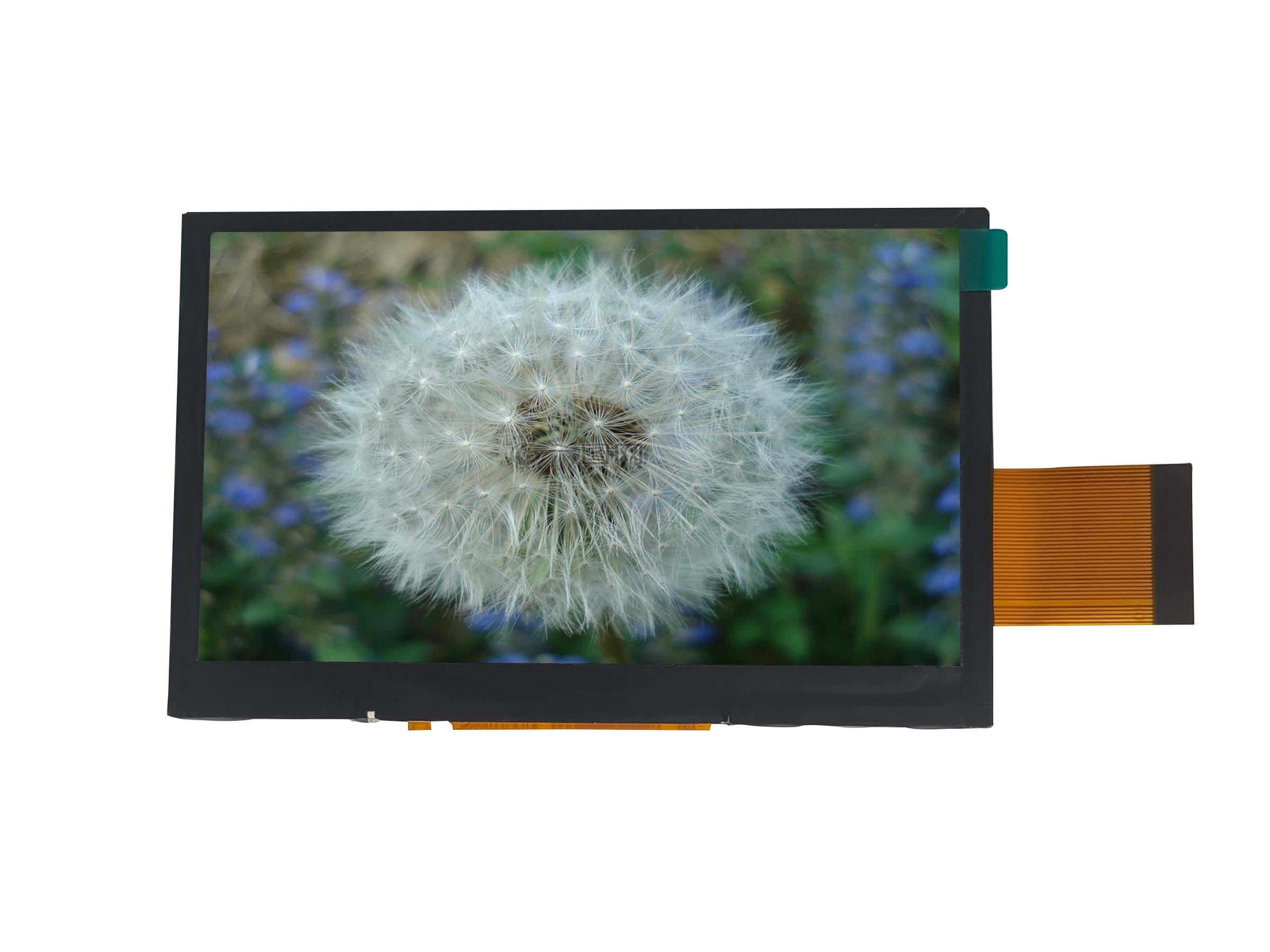
If your team is preparing an entry and needs the technical description behind a display part number, send the model, the destination country and the proposed heading. CDTech can provide the product facts and documentation that your broker needs to review the classification.
Which heading covers a TFT LCD module?
Many bare TFT modules designed for incorporation are argued under heading 8524 for flat panel display modules, including modules with touch-sensitive screens. That is a starting point, not a universal answer. The importing country's national tariff, the module construction and any ruling can change the result. A module built into a complete monitor is usually argued under the apparatus heading instead, so the facts at import matter more than the product family name.
Does touch integration change the code?
Usually not by itself. Heading 8524 already provides for flat panel display modules with touch-sensitive screens, so a bonded touch layer does not automatically turn a module into a monitor. The classification still depends on housing, power, interface, intended use and the state of the goods at import. A separate touch sensor without a display is a different article, and the invoice should describe the assembly that actually ships.
Is tooling part of the customs value?
It can be. Where the buyer provides tooling, molds, engineering or materials free of charge or at reduced cost for use in producing the imported goods, the value may be an assist that must be added to the customs value, usually apportioned across the production. The treatment depends on the facts and the local valuation rules. Record the tooling value, ownership and apportionment method so the broker can apply them consistently.
What happens if the code is declared wrongly?
The outcome ranges from a post-entry adjustment for an honest error to penalties, interest and retrospective recovery where the declaration was careless or deliberate. Overpayments may be recoverable within local time limits. Voluntary correction is usually easier to manage than an audit finding, but the procedure is jurisdiction-specific. Keep the technical memo, invoice, entry and ruling together so the correction can be supported with evidence.
By continuing to use the site you agree to our privacy policy Terms and Conditions.